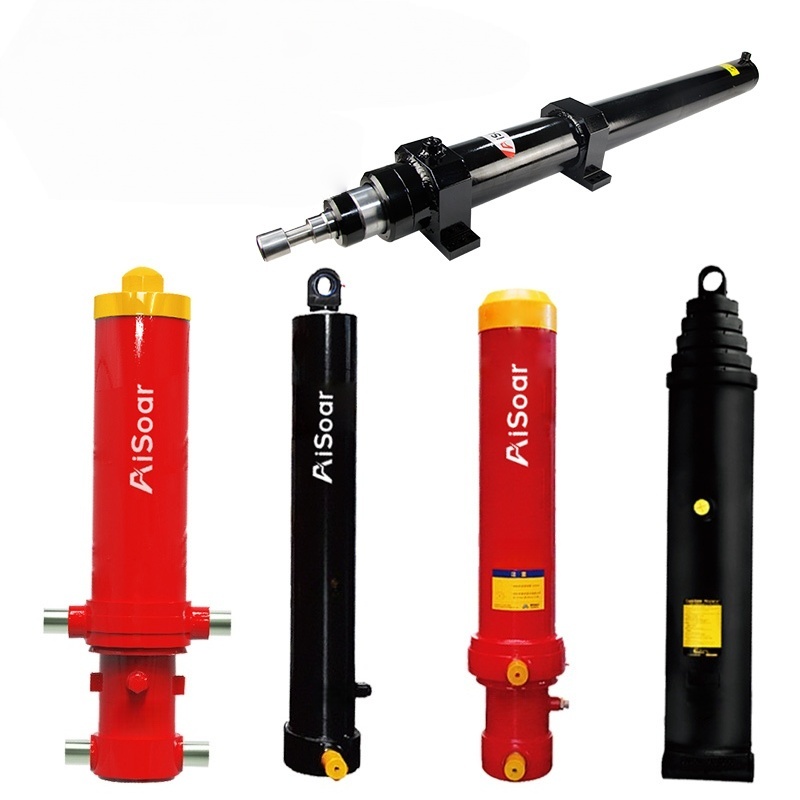
Choosing the right hydraulic trailer jack is not just about lifting power—it’s about safety, stabilization, compatibility, and long-term reliability. If your current jack struggles on uneven ground, corrodes quickly, or fails under load, the problem is often a poor match with your trailer type and overall stabilization requirements.
In this guide, we’ll help you choose the best hydraulic trailer jack based on trailer application, tongue weight, mounting style, operating conditions, and the level of stabilization needed for safe, consistent performance.
Why Trailer Jack Mismatch Is a Common Problem?
Many trailer owners buy based on price or maximum capacity alone. But even a high-capacity jack can underperform if it doesn’t match your setup.
Common mismatch issues include:
- Insufficient load rating for real tongue weight
- Wrong mounting type (A-frame, bolt-on, weld-on mismatch)
- Inadequate lift travel/stroke
- Poor side-load resistance on rough terrain
- Rust and seal failure in marine or humid environments
✅ Best practice: Select by trailer type + true tongue weight + operating environment, not cost alone.
Hydraulic Trailer Jacks Recommendations by Trailer Type
Utility Trailers & Small Cargo Trailers Hydraulic Jack
For frequent short-haul use and light-to-medium loads
- Recommended capacity: 2,000–5,000 lbs
- Preferred style: compact bolt-on hydraulic jack
- Key features: fast lifting, easy operation, low maintenance
- Best for landscapers, homeowners, and light commercial users.


Boat Trailers Hydraulic Jack (Marine Use)
Boat trailers face high corrosion risk, frequent wet exposure, and repetitive launch/ramp cycles.
- Typical recommended capacity: 3,500–7,500 lbs
- Must-have: Galvanized or zinc-coated structure + corrosion-resistant hardware
- Key features: Sealed hydraulic system, anti-rust components, stable foot support
Swing-away vs fixed-mount Rear Support Jacks for boat trailers
Swing-away (swivel) jacks:
Rotate upward and lock beside the tongue during towing; ideal for clearance and convenience.
Fixed-mount jacks:
Usually offer higher load capability; often preferred when tongue weight exceeds ~2,000 lbs.
Foot option guidance
- Single-wheel caster: Better steering on hard surfaces (concrete/asphalt)
- Dual-wheel caster: Better flotation/support on grass or gravel
- Footplate: Better for heavy loads, slope parking, and long-term static support
⚠️ For very heavy trailers, manual repositioning with caster wheels is often impractical—use a solid footplate and wheel chocks.
If operating near saltwater, marine-grade corrosion protection is essential.


Fixed styles often provide greater load capacity and are typically required when tongue weight is above about 2,000 lbs. The trade-off is that they usually require more manual cranking to raise fully for safe ground clearance.
For swing-away jacks, choosing a foot with a caster wheel (or dual wheels) is usually helpful, since it allows small trailer position adjustments by hand. (For very heavy trailers, manual repositioning is generally impractical, so a solid footpad is more common.)


Horse Trailers 12K Backpack Hydraulic Jack
Upgrade your towing setup with a Horse Trailer Hydraulic Jack powered by a DC 24V Hydraulic Power Unit. Designed for heavy-duty horse trailers, this hydraulic jack delivers smooth lifting, stable holding, and reliable performance during hitching, unhitching, and parking. The 24V hydraulic system provides strong, consistent power output, reduces manual effort, and improves operating efficiency for frequent-use applications.
Built for demanding outdoor conditions, this horse trailer jack is ideal for users who need durability, safety, and precise control under varying tongue weight loads.


Equipment Trailers: Stabilization Jack & Heavy-Duty Hydraulic Jack
For equipment trailers, a stabilization leg is often used to improve support during loading, parking, and maintenance on uneven ground. Depending on trailer weight and duty cycle, users can choose different Hydraulic Leg configurations (bolt-on, weld-on, single-leg, or dual-leg setups).
- Double-acting, bolt-on-ready design for demanding trailer applications
- Durable painted body for long-term outdoor use
- 24 inches of travel to handle wider height adjustment needs
- Rated for 3,000 psi operating pressure
- Up to 12,000 lbs lift-and-hold capacity for heavy-duty support
- 360-degree articulating foot improves stability on uneven ground
Preferred style: weld-on or bolt-on hydraulic trailer jack


Hydraulic Trailer Jack Capacity Chart by Trailer Type
The chart below compares typical tongue weight ranges with recommended hydraulic trailer jack lifting capacities for common trailer types.
Please note that tongue weight reflects the actual load applied at the hitch, while jack capacity refers to the rated lifting ability of the jack. For safe and stable operation, always choose a jack with at least 25–50% reserve capacity above your measured tongue weight, especially for uneven terrain, frequent loading cycles, or commercial-duty use.
| Trailer Type | Typical Tongue Weight Range (lbs) | Recommended Jack Lifting Capacity (lbs) | Best-Fit Jack Style |
| Utility Trailers / Small Cargo | 1,500–3,500 | 2,000–5,000 | Compact bolt-on hydraulic jack |
| Boat Trailers (Marine Use) | 2,500–5,500 | 3,500–7,500 | Swing-away or fixed hydraulic jack (marine-grade) |
| Horse Trailers | 6,000–9,000 | 8,000–12,000 | 24V electric-hydraulic backpack jack |
| Equipment Trailers | 8,000–12,000 | 10,000–12,000+ | Heavy-duty bolt-on or weld-on hydraulic jack |
| Commercial Heavy-Duty Trailers | 10,000+ | 12,000+ | Double-acting hydraulic jack with PO check option |
Capacity Rule of Thumb:
- Recommended Jack Capacity = Actual Tongue Weight × 1.25–1.5
- Always size by real tongue weight, not trailer GVWR alone.
How to Choose the Right Hydraulic Trailer Jack
Selecting the correct jack becomes easy when you follow a clear process:
Confirm Real Tongue Weight (Not Just Trailer GVWR)
Your jack should be sized by actual tongue weight, not total trailer weight.
Quick rule:
Recommended Jack Capacity = Tongue Weight × 1.25–1.5
This safety margin improves lifting stability, protects the hydraulic system, and extends service life.
Choose the Correct Mounting Type
- A-Frame mount: Common on utility and travel trailers
- Bolt-on mount: Easy retrofit and replacement
- Weld-on mount: Best for heavy-duty and high-vibration applications
If mounting style is wrong, even a high-capacity jack may perform poorly.
Match Lift Travel / Stroke to Trailer Height
Coupler height when trailer is level
Lowest and highest parking terrain
Needed clearance for hitching/unhitching
Insufficient stroke is a frequent cause of “capacity is enough, but still unusable” complaints.
Frequently Asked Questions (FAQ)
Q1: Can I use a 12,000 lb jack on a smaller trailer?
Yes, but ensure mounting compatibility, proper stroke, and stable foot contact. Oversizing capacity alone does not solve fitment issues.
Q2: Is electric-hydraulic jack always better than manual?
For frequent use, heavier loads, or commercial operation, electric-hydraulic significantly improves efficiency and consistency.
Q3: Swing-away or fixed jack for boat trailers?
Swing-away is convenient for clearance and light-medium setups. Fixed is usually better for higher tongue weights and maximum rigidity.
Q4: How do I know if I need 24V power unit ?
If your trailer sees frequent operation, higher loads, or long duty cycles, 24V systems often provide more stable performance.