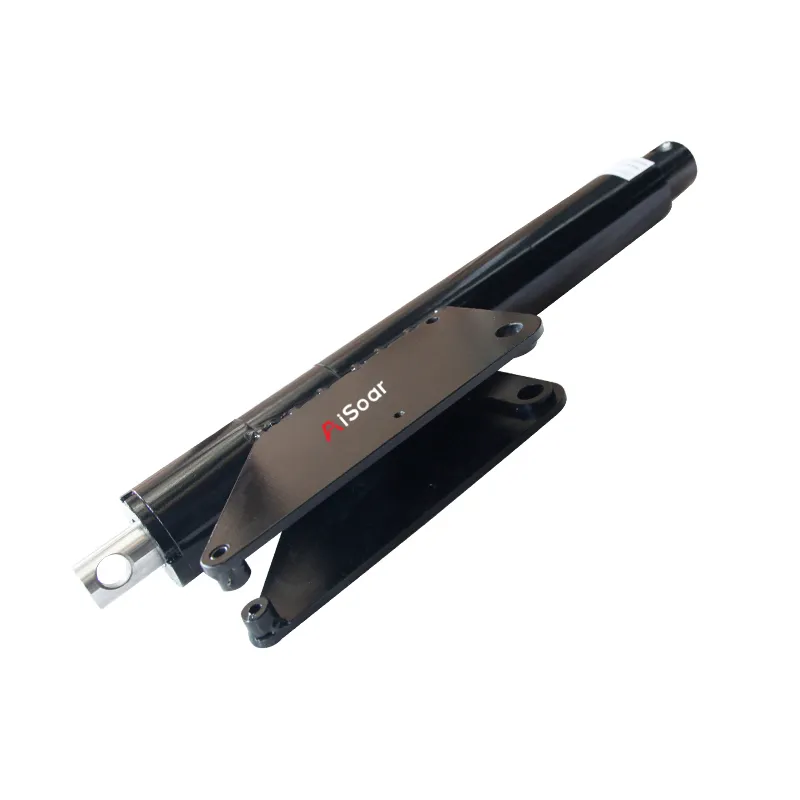
What is the buffer device of the hydraulic cylinder?
Uncontrolled piston impact at stroke ends can lead to hydraulic cylinder damage, system shutdowns, and costly downtime. The solution lies in effective buffer devices—hydraulic cylinder cushions.
Hydraulic cylinder cushions are specialized buffer devices designed to absorb kinetic energy, slow down piston movement at the stroke ends, and protect cylinder components from shock and wear.
For optimal equipment performance and lifecycle, understanding cushions is essential—let’s explore their principles and applications.
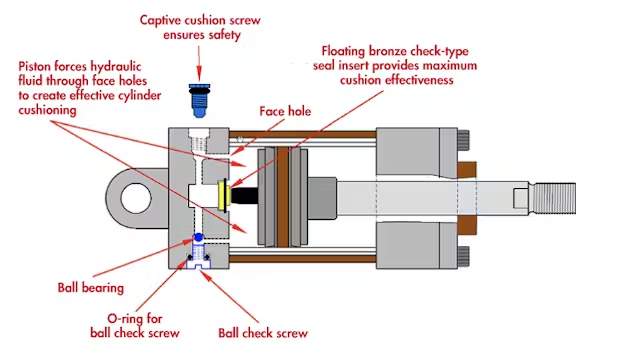
The Importance of Hydraulic Cylinder Cushions
The importance of hydraulic cylinder cushions extends far beyond merely protecting hardware. In high-performance industrial environments, rapid and repetitive piston movements are standard. Without an effective buffer device, uncontrolled kinetic energy at stroke ends results in severe impacts, component fatigue, noise pollution, and even total system failures. These risks lead to costly repairs, unplanned production stops, and safety hazards in the workplace.
Hydraulic cylinder cushions help absorb and dissipate excess energy, ensuring that the piston transitions to a halt gently—greatly reducing mechanical stress on cylinder heads, seals, and mounting brackets. This prolongs both the cylinder’s and the entire hydraulic system’s service life. Additionally, cushions minimize noise and vibration, creating a more comfortable and compliant work environment.
In applications where precision is required, such as in machine tools or robotics, cushions contribute to higher accuracy by preventing overshooting or sudden shocks that could throw off alignment. Hydraulic cylinder buffer device implementation is therefore not simply a feature—it is an operational necessity for equipment reliability, performance, and total cost of ownership.
What are the Types of Buffer Devices Hydraulic Cylinder?
Hydraulic cylinder cushions come in a variety of designs, each tailored to different operational conditions and requirements. Understanding these types is key to optimizing your system:
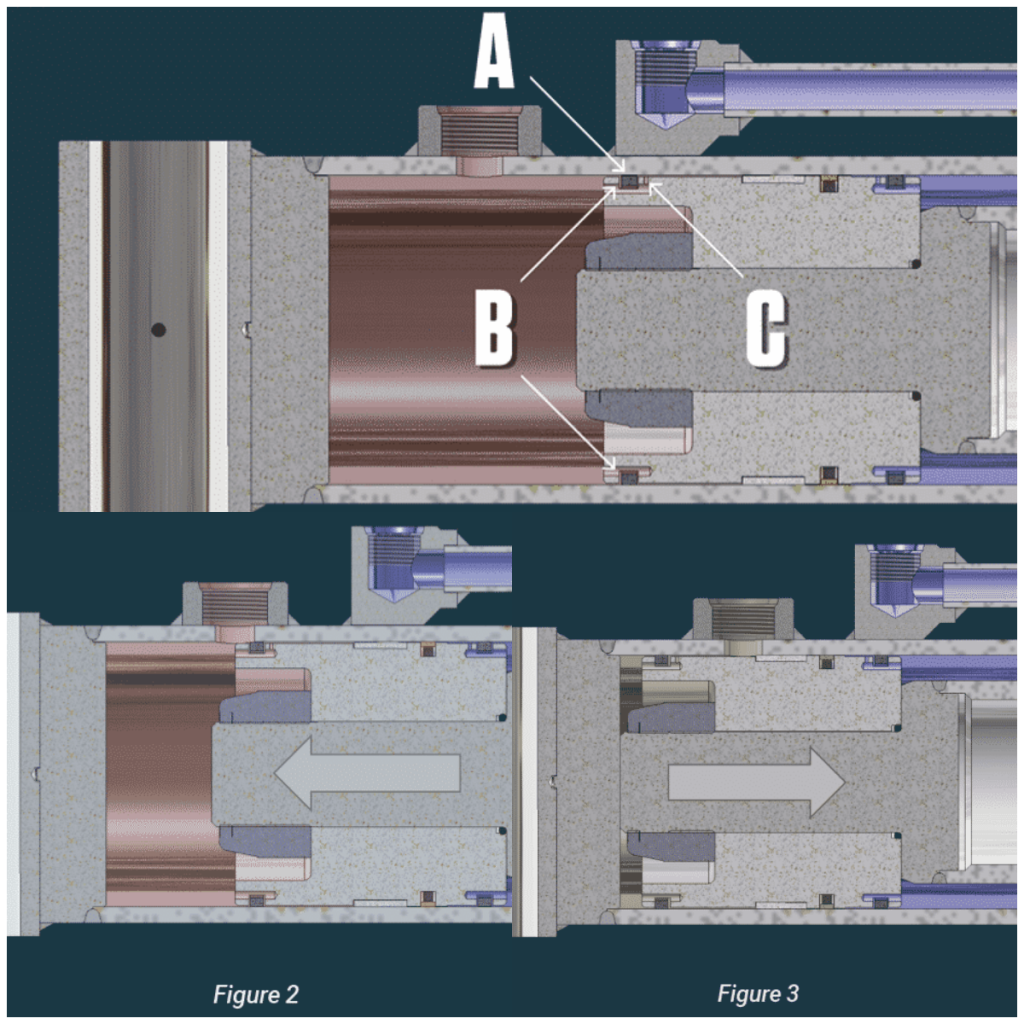
1. Fixed Orifice or Fixed Throttle Type
This is the most common and simplest cushion type. It incorporates a permanently sized orifice or annular gap through which hydraulic fluid is forced as the piston enters the cushion zone. The restriction is fixed, yielding a consistent buffer effect for a given flow and speed. While robust and low-cost, adjustments cannot be made for changing operating conditions.
2. Adjustable Orifice Cushion
An adjustable cushion uses a variable throttle control or screw-type valve to change the orifice size dynamically. This allows operators to fine-tune the buffer effect according to load mass, speed, or other application-specific factors. Adjustable types are ideal for systems with varying tasks or fluctuating velocity but involve a slightly more complex structure.
3. Variable Throttle or Tapered Plunger Cushion
This advanced design employs a tapered buffer plunger working in tandem with a precision-machined bore. As the piston continues to travel, the restriction increases progressively, providing a variable damping force that optimizes deceleration throughout the cushion stroke. This type balances initial cushioning with end-position protection, particularly effective in applications with diverse speeds or loads.
4. External Cushioning and Remote Throttle Buffer
Sometimes, cushioning is achieved with externally mounted valve assemblies or throttle circuits, rather than internal cylinder modifications. These external hydraulic cylinder buffer devices offer maximum flexibility and adjustment but may increase installation complexity and cost. They are best suited for special situations where space, duty cycle, or operational precision is critical.
Selecting the correct cushion type will depend on your specific hydraulic cylinder application, required force characteristics, mounting constraints, and budgetary considerations.
Common Faults and Solutions for Hydraulic Cylinder Cushions
Even the best-designed hydraulic cylinder cushions can encounter failures, often revealed in harsh environments or after extended use.
1. Over-Buffering (Excessive Damping)
Symptoms: Piston slows or stalls before fully reaching the end position.
Causes & Solutions:
- Throttle passage is set too small: Adjust the valve or throttle assembly for a larger opening.
- Buffer plunger misalignment or foreign matter: Clean the buffer chamber and check plunger fit; repair or replace components.
2. Buffer Failure (No Cushioning Effect)
Symptoms: Hard piston impact and prominent end-stroke noise.
Causes & Solutions:
- Cushion valve is fully open or malfunctioned: Recalibrate or replace defective valve or adjust control screws.
- Seal wear or damage: Replace worn seals and confirm proper installation direction.
- Buffer chamber leakage: Inspect for piston seal breakage or plunger/sleeve scratching, repair as needed.
3. Stick-Slip or Crawling in Cushion Stroke
Symptoms: Irregular, jerky piston movement during deceleration segment.
Causes & Solutions:
- Poor machining accuracy or part alignment: Check cylinder head-to-piston squareness; replace or reassemble as necessary.
- Oil contamination or wrong viscosity: Flush system and renew with correct specification hydraulic oil.
4. External Oil Leakage
Symptoms: Visible seepage at rod end or cushion assembly.
Causes & Solutions:
- Degraded or incorrectly installed seals: Replace seals, ensuring they are oil-resistant and installed in correct orientation.
- Surface scoring on piston rod: Polish to proper surface finish and fit dust wipers to reduce debris ingress.
- Installation misalignment: Realign hydraulic cylinder and machine guide rails for parallelism.
Continuous inspection and timely maintenance are needed to eliminate these cushion failures, thereby prolonging the functional lifespan and safeguarding equipment.
Conclusion
Hydraulic cylinder cushions—engineered buffer devices—are essential for modern hydraulic systems, effectively absorbing energy, extending component life, and ensuring efficient and precise equipment operations. With the correct design and maintenance, hydraulic cylinder buffer devices prevent downtime and reduce operational costs. Learn more to make informed decisions for your hydraulic systems.