
What is a hydraulic log splitter cylinder?
A hydraulic log splitter cylinder is the key component in a log splitter system, converting hydraulic pressure into linear force to efficiently split wood. It consists of a steel tube, piston, rod, and end caps. Hydraulic oil pushes the piston and rod, delivering high force to split even tough logs.
The cylinder’s bore size, stroke length, and working pressure directly affect its splitting capacity, usually measured in tons. Heavy-duty cylinders are built for demanding wood types and continuous use.
In forestry and landscaping industries, the hydraulic cylinder is essential for powerful, efficient, and reliable log splitting.
How does a hydraulic cylinder work in a log splitter?
The hydraulic cylinder log splitter operates through the principle of hydraulic force amplification. Here’s how it functions step-by-step:
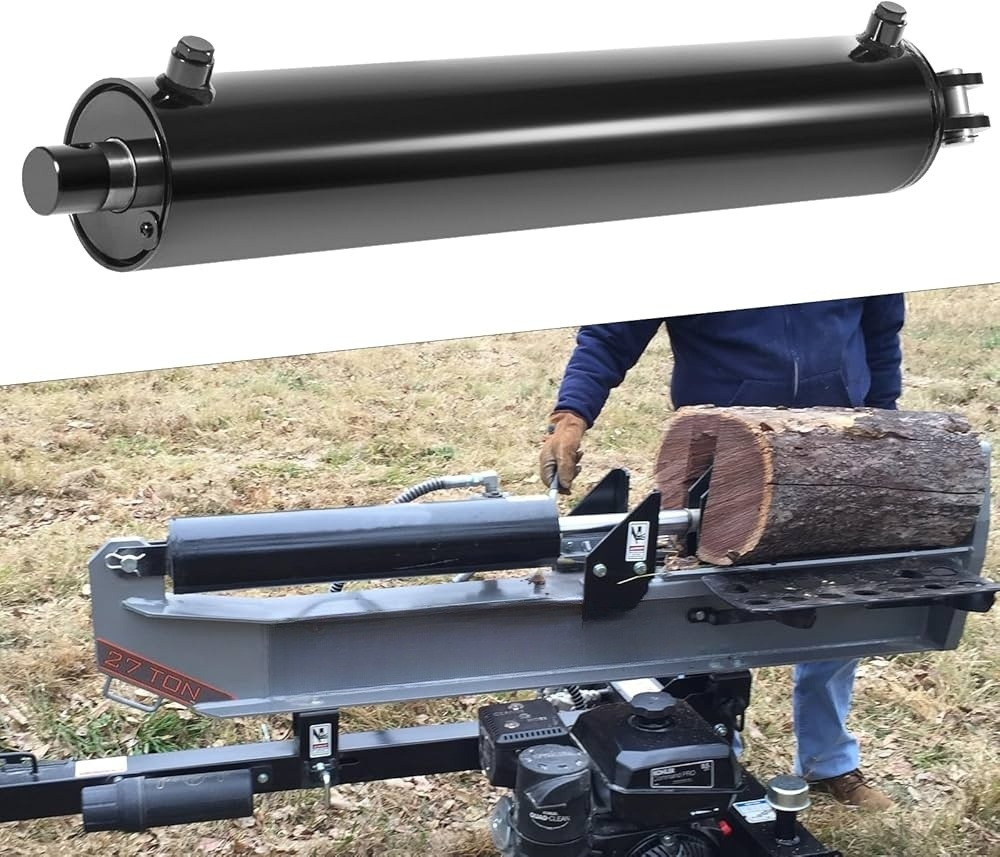
Hydraulic Pump Activation: When the operator engages the splitter, the pump directs hydraulic oil into one side of the cylinder.
Piston Movement: The fluid enters the cylinder and pushes against the piston, causing it to move linearly inside the cylinder tube.
Log Splitting: The piston rod, attached to the piston, transfers this force to the splitting wedge/blade, driving it into the log placed on the frame.
Controlled Return: Once the log is split, the oil flow reverses, retracting the piston and rod to their original positions, ready for the next splitting cycle.
The hydraulic cylinder’s performance depends on its bore size, stroke length, and the hydraulic pump’s pressure. A larger bore delivers greater splitting force, and longer stroke allows for processing larger logs.
The cylinder should be made from durable, high-strength materials with accurate seals to ensure longevity and safe operation during repeated use. Routine maintenance helps prevent leaks and keeps the system working reliably.
What bore size and stroke length are best for a log splitter cylinder?
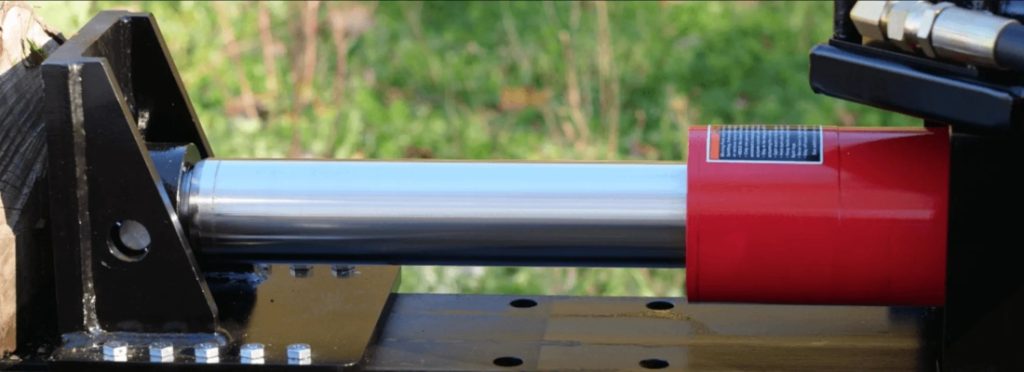
Selecting the correct bore diameter and stroke length is critical for optimal log splitter hydraulic cylinder performance.
Bore Size: This determines how much force the cylinder can deliver. Common bore sizes for log splitters range between 4 to 5 inches. The splitting force is directly proportional to the bore area and the hydraulic pressure applied. For example:
A 4-inch bore at 3000 psi can produce over 18 tons of force, suitable for residential or light commercial use.
A 5-inch bore at similar pressure can reach up to 30 tons, perfect for splitting large-diameter hardwoods or heavy-duty, industrial operations.
Stroke Length: Stroke defines how far the piston travels. Typical stroke lengths are between 20” and 24”, which is sufficient to fully split most common log lengths (15”–20”). Longer strokes allow for deeper splitting and compatibility with larger log sizes but require robust construction to handle increased loads.
Other Considerations:
Match bore and stroke size to your hydraulic pump’s rating to avoid system overload.
Strong end caps and high-grade seals ensure longevity and prevent leaks under repeated heavy use.
Ensure the cylinder mounting fits your splitter frame and maintains alignment for smooth operation.
Ultimately, the best hydraulic cylinder for a log splitter balances bore size and stroke length to match your specific application—whether it’s backyard wood preparation or professional firewood production.
How to design the minimum installation distance for a hydraulic cylinder?
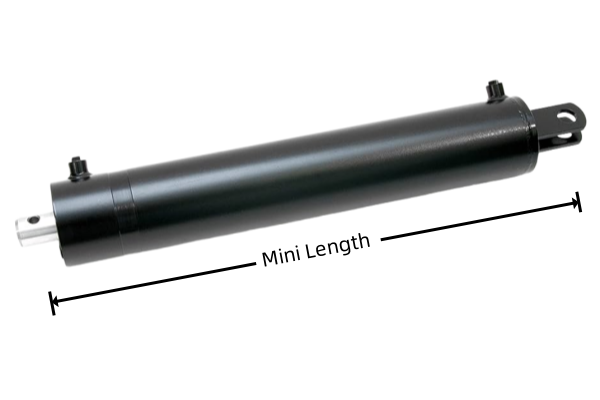
The minimum installation distance refers to the shortest possible distance between the mounting points of the cylinder when it is in its fully retracted state.
This measurement is essential for hydraulic log splitter designs, ensuring the cylinder fits correctly within the splitter frame and does not limit the stroke length:
If the minimum installation distance is too long, the splitter may not accommodate the desired log size or overall machine compactness.
If it’s too short, installation may be impossible, or the cylinder might bind, causing premature wear or operational issues.
Manufacturers specify this distance as the sum of the retracted cylinder length plus both mounting ends (clevis, pin, or eye types). For example, a log splitter hydraulic cylinder with a 24” stroke may have a minimum installation distance of approximately 32–34”, depending on bore size and head design.
Designers and buyers must ensure that their frame dimensions match the minimum installation distance for safe, efficient operation, and easy integration—especially important when retrofitting a hydraulic cylinder for a log splitter into existing equipment.
How can I buy log splitter cylinders?
To buy a log splitter hydraulic cylinder, first determine your required force, bore, stroke, pressure rating, and mounting style. Choose a reputable supplier with quality products and support. Opt for cylinders made from high-strength steel and reliable seals.
Check if the manufacturer offers customization for unique needs. Review technical documents for compatibility. Place your order based on your specifications, and arrange for secure delivery.
Ensure the cylinder matches your splitter’s pump and frame, and ask about after-sales service. Comparing prices and warranties can help you get the best value.


