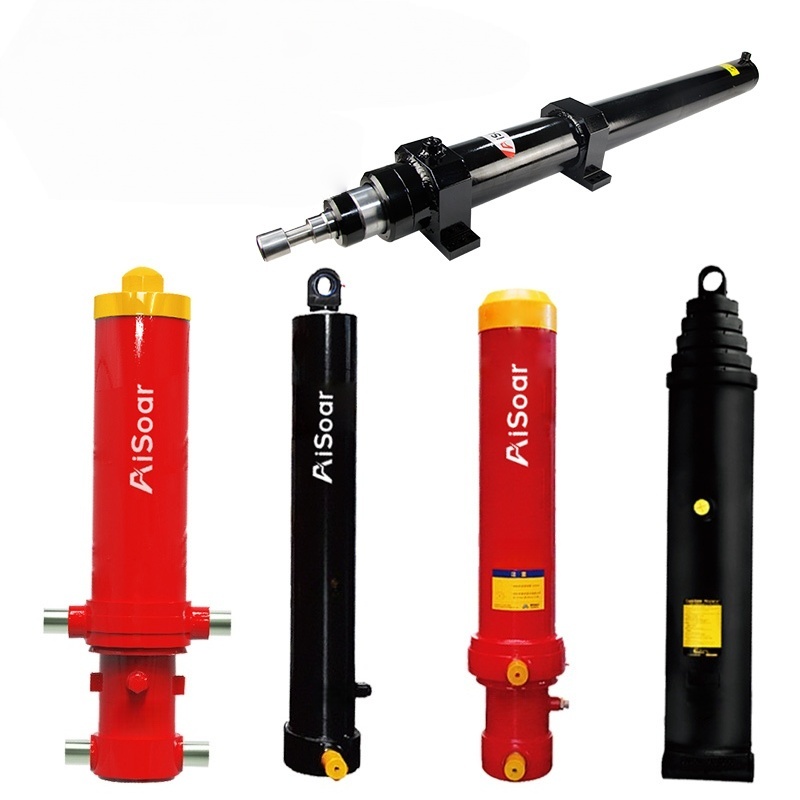
A failing trailer jack can turn hitching into a dangerous struggle, risking injuries, damaged cargo, and costly downtime. The right hydraulic or electric trailer jack solution restores safe, effortless lifting and towing confidence.
Hydraulic trailer jacks use fluid pressure to lift heavy trailer tongues smoothly, while electric trailer jack models use motorized drive for convenience. Choosing correctly depends on trailer weight, tongue design, lift range, duty cycle, and weather resistance. The best setup improves safety, speeds hookups, and reduces physical strain during frequent towing operations.
Keep reading to compare types, configurations, and must-have features so you can buy once, tow confidently, and avoid expensive mistakes.
What Is a Trailer Jack?
A trailer jack is a mechanical lifting device mounted on a trailer tongue or frame to raise and lower the coupler during hitching, leveling, parking, and storage. If you’ve ever asked, how does a trailer jack work, the core idea is simple: it converts manual, hydraulic, or motorized input into vertical lifting force. Traditional models use a hand crank and internal gears. Hydraulic versions use pressurized fluid to multiply force. Motorized options like an electric trailer jack or power trailer tongue jack use a 12V motor to do the lifting with minimal effort.
Trailer jacks are more than convenience tools—they are safety equipment. A correctly rated jack stabilizes tongue weight, reduces sway risk when parked, and helps prevent sudden drops while coupling. They’re especially important for boat trailers, RVs, utility trailers, and equipment haulers where tongue loads can be substantial. Selecting the right jack means matching lift capacity, bracket style, travel length, and operating environment to your trailer’s real-world use, not just brochure specs.
Types and Configurations of Trailer Jacks
Trailer jacks can be classified in two practical ways: by power source and by mounting structure. Understanding both helps you choose the right jack for safety, convenience, and long-term durability.
1) Classification by Power Source
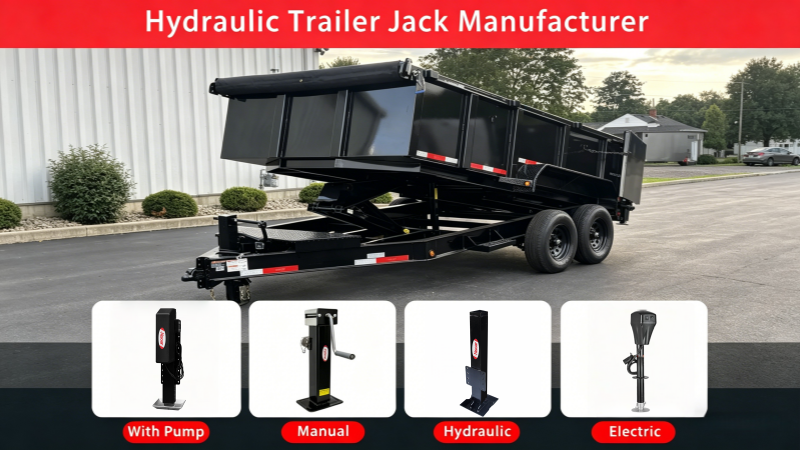
Manual Trailer Jacks
Manual jacks are the most budget-friendly option. They use a hand crank and internal gears to raise or lower the trailer tongue. They are simple, dependable, and easy to maintain, but they require more physical effort—especially when tongue weight is high. Manual jacks are best for light-duty trailers or occasional towing.
Hydraulic Trailer Jacks
Hydraulic jacks use fluid pressure to generate lifting force. They are ideal for heavy-duty applications because they deliver smooth, powerful lifting with less operator strain. These are commonly used in commercial, farm, and equipment-hauling scenarios where repeated lifting cycles and high reliability are required.
Electric Trailer Jacks
Electric models (including trailer electric jacks, electric trailer jack, and power trailer jack options) are designed for convenience. With push-button control, they make hitching faster and reduce physical fatigue. They are especially popular with RV owners and frequent towers. Many premium models include LED lights, bubble levels, weather-resistant housings, and manual override for emergencies.
2) Classification by Mounting Structure
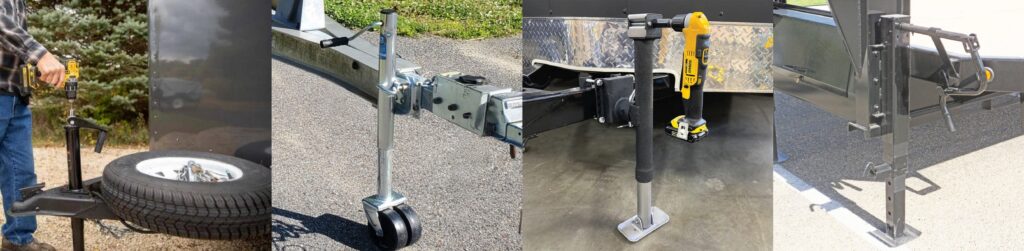
A-Frame Jacks:A-frame jacks mount through the center opening of an A-frame tongue. They are common on travel trailers and many RVs because they offer stable, balanced lifting.
Side-Mount Jacks:These jacks attach to the side of the trailer tongue or frame. They are often used on utility and boat trailers where A-frame mounting is not suitable.
Swivel Jacks:Swivel jacks can rotate upward when not in use, improving ground clearance during towing. They are useful for trailers that travel over uneven roads or steep driveways.
Drop-Leg Jacks:Drop-leg designs allow quick height adjustment by dropping an inner leg and pinning it in place. This reduces cranking or motor runtime, making them ideal for trailers with large height differences.
3) Quick Selection Recommendation
Choose manual for low cost and light-duty use.
Choose hydraulic for maximum lifting power and heavy-duty reliability.
Choose electric / power trailer tongue jack for everyday convenience and faster hitching.
Then match the mounting style (A-frame, side-mount, swivel, or drop-leg) to your trailer structure and clearance needs.
Features to Consider When Choosing a Trailer Jack
Start with capacity. Your jack must exceed actual tongue weight with a healthy safety margin. Under-rated jacks wear faster, lift slower, and increase failure risk. Next is lift travel: ensure the jack can reach from your lowest unhitched stance to the coupler height needed for your tow vehicle. Insufficient travel creates frustrating, unsafe workarounds.
If convenience matters, prioritize an electric trailer jack with sealed switches, corrosion-resistant coating, and manual backup operation in case of battery failure. A high-quality power trailer jack should deliver consistent torque under load and include thermal protection for repeated use. Look for weatherproof motor housing if you tow in rain, snow, or coastal environments.
Material and finish also matter. Powder-coated steel offers strength; zinc or marine-grade finishes resist rust. Wide footplates improve stability on gravel or soft ground, while integrated LED lights improve visibility for night hookups. Noise level, speed, and current draw are practical factors, especially for campers operating from battery power. Finally, verify mounting compatibility, warranty, and parts availability. A slightly higher upfront cost often pays off in reliability, fewer repairs, and safer operation over years of towing.
Trailer Jack Safety and Maintenance
Safe operation starts before lifting: chock wheels, park on stable ground, and keep hands clear of pinch points. Never exceed rated capacity, and avoid side-loading the jack by forcing alignment with the tow vehicle. Instead, reposition vehicle or trailer to reduce lateral stress. During hitching, raise and lower in controlled increments, checking coupler seating and latch lock before fully retracting.
Maintenance differs by type. Manual screw jacks need periodic lubrication on gears and screw threads. Hydraulic models require seal inspections and fluid checks to prevent leaks or pressure loss. For trailer electric jacks, inspect wiring terminals, fuse protection, and battery voltage regularly—low voltage can cause sluggish operation and motor overheating. Clean and protect exposed surfaces to prevent corrosion, especially after road salt or marine use.
Perform routine checks: mounting bolts torque, bent tubes, unusual noises, and inconsistent lift speed. If your power trailer tongue jack starts skipping, stalling, or drifting under load, service immediately rather than continuing operation. Preventive maintenance is far cheaper than emergency replacement on travel day. With proper care, whether hydraulic or electric, your jack will deliver safer hookups, less downtime, and a much longer service life.