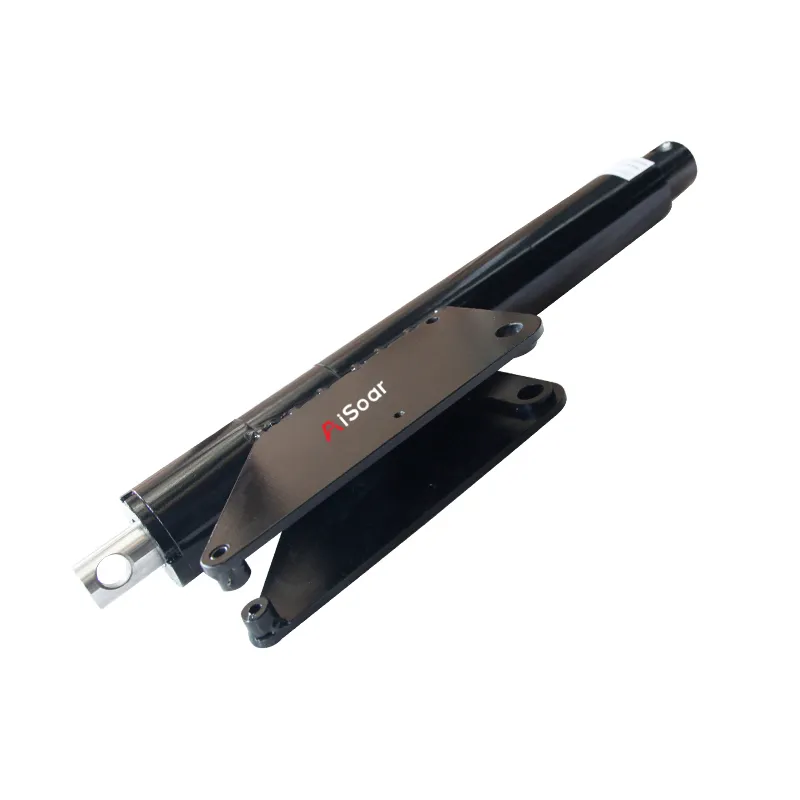
Hydraulic cylinder drift can halt operations, damage equipment, and result in costly downtime—but with proper maintenance and targeted solutions, you can avoid expensive repairs.
Hydraulic cylinder drift occurs when the piston rod moves unintentionally due to internal or external leakage. To prevent drift, focus on sealing, regular inspections, and quality maintenance for reliable cylinder performance.
Stay with us to explore causes, fixes, and effective prevention techniques for hydraulic cylinder drift.
What is Hydraulic Cylinder Drift?
Hydraulic cylinder drift is the unintended movement of a cylinder’s piston, often caused by internal or external leaks, worn-out seals, or valve issues. It can lead to a loss of precise positioning, which can cause delays, damage to equipment, and safety hazards. Fixing it involves troubleshooting leaks, checking for worn components like seals or valves, and ensuring proper system maintenance.
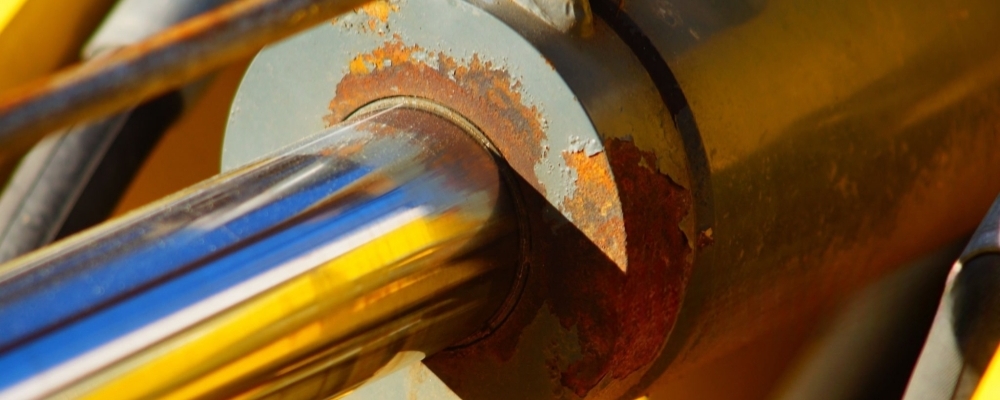
Causes of hydraulic cylinder drift
Control Valve Leakage:
Directional or control valves regulate hydraulic fluid flow. If the valve seat is worn or contaminated, fluid may leak past the valve, reducing system pressure and causing drift.
Internal Seal Failure:
The most common cause is worn or damaged piston seals, which allow fluid to bypass the piston and unintentionally move the rod.
Component failure:
Worn or damaged components, such as worn spool valve seals or a faulty holding valve, can fail to keep the cylinder in position.
Pressure imbalances:
Unbalanced hydraulic fluid pressure, which can result from faulty valves or other system issues, can cause the piston to move.
Contaminants:
Dirt or other contaminants in the hydraulic fluid can cause wear and tear on components, leading to leaks and drift.
Thermal contraction:
Temperature changes can cause the cylinder and its components to contract, leading to pressure loss and drift.
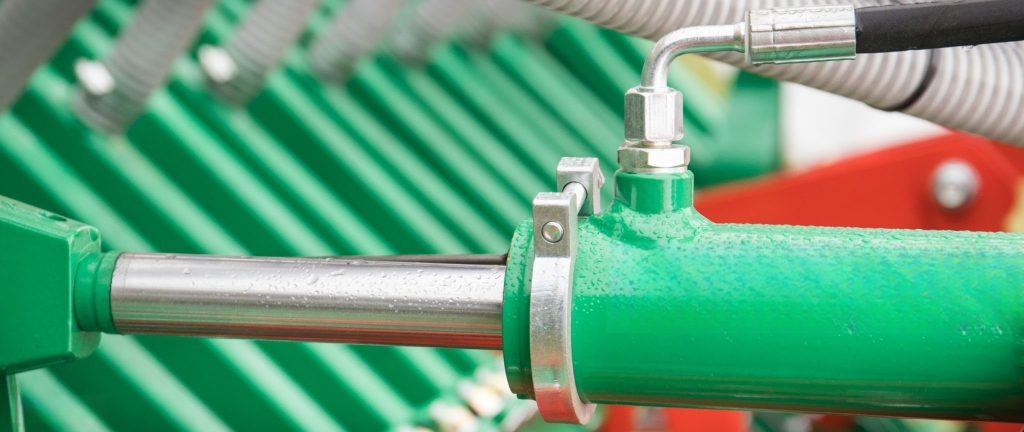
How to fix hydraulic cylinder drift
Inspect for leaks:
Carefully look for external signs of leaks, such as oil stains or puddles around the cylinder and fittings.
Fixing hydraulic cylinder drift requires a methodical approach to ensure long-term system integrity:
Step 1: Diagnose the Source:
Start by inspecting the cylinder’s seals, piston, and barrel for visible wear or damage. Check the control valves for leaks and verify system pressure against manufacturer specifications.
Step 2: Replace Damaged Seals:
If internal leakage is detected, replace worn piston and rod seals with new, compatible components. Use high-quality materials suitable for your operating conditions.
Step 3: Repair or Replace Faulty Valves:
If valve leakage causes drift, repair valve seats or install new valves. Regular valve cleaning also aids in maintaining optimal system performance.
Step 4: Restore Cylinder Barrel Integrity:
For scored or damaged barrels, hone or replace the barrel to restore a perfect sealing surface. Proper alignment is crucial to prevent recurring drift.
Step 5: Address system issues:
If the problem isn’t in the cylinder itself, check other parts of the hydraulic system, such as the relief valves, and ensure they are working correctly.
How to prevent hydraulic cylinder drift
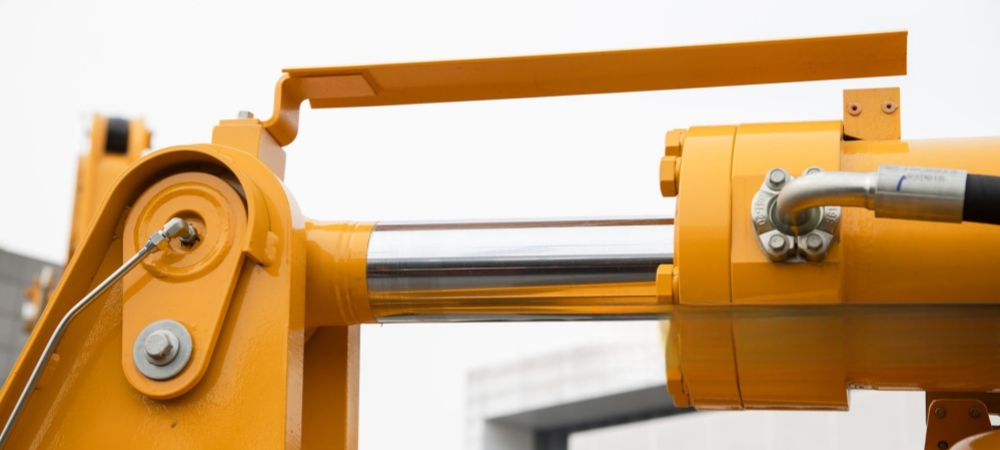
- Schedule Regular Inspections:Conduct routine checks on all seals, rods, pistons, and barrels. Early identification of wear or contamination prevents unexpected drift.
- Maintain Clean Hydraulic Fluid: Use advanced filtration systems to keep hydraulic oil free of particles and water. Regular fluid changes lengthen component lifespan and reduce drift risk.
- Install High-Quality Seals and Components:Invest in durable, manufacturer-approved seals and cylinders, especially for heavy-duty or continuous-use applications.
- Monitor System Pressure: Operate within recommended pressure limits to minimize seal stress and fluid bypass. Add pressure sensors for real-time monitoring.
- Replace Worn Valves Promptly:Timely valve replacement or refurbishment ensures consistent hydraulic control and drift prevention.
- Train Operators:Teach equipment operators how to recognize early drift symptoms, respond promptly, and follow best operating practices.
Through diligent maintenance and quality component selection, you can significantly reduce the occurrence of hydraulic cylinder drift, safeguarding operational efficiency and equipment safety.
Conclusion
Hydraulic cylinder drift is a preventable issue that can lead to significant downtime and costly repairs if ignored. By understanding its causes and implementing effective maintenance solutions—including seal replacement, fluid management, and regular inspections—you can maintain optimal hydraulic performance and extend the lifespan of your machinery. Take these preventative steps seriously to keep your equipment reliable and your business running smoothly.