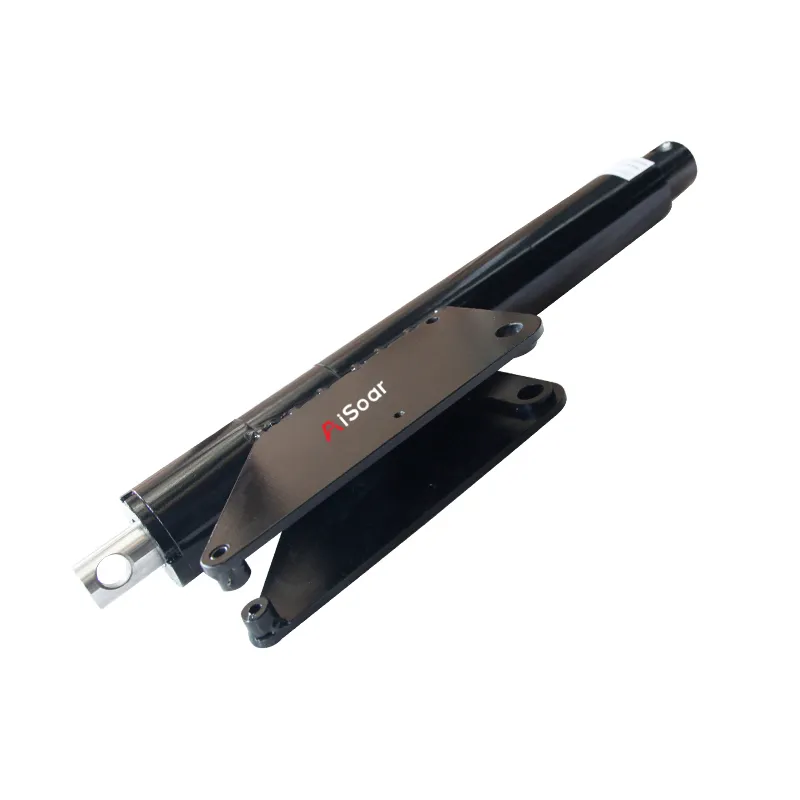
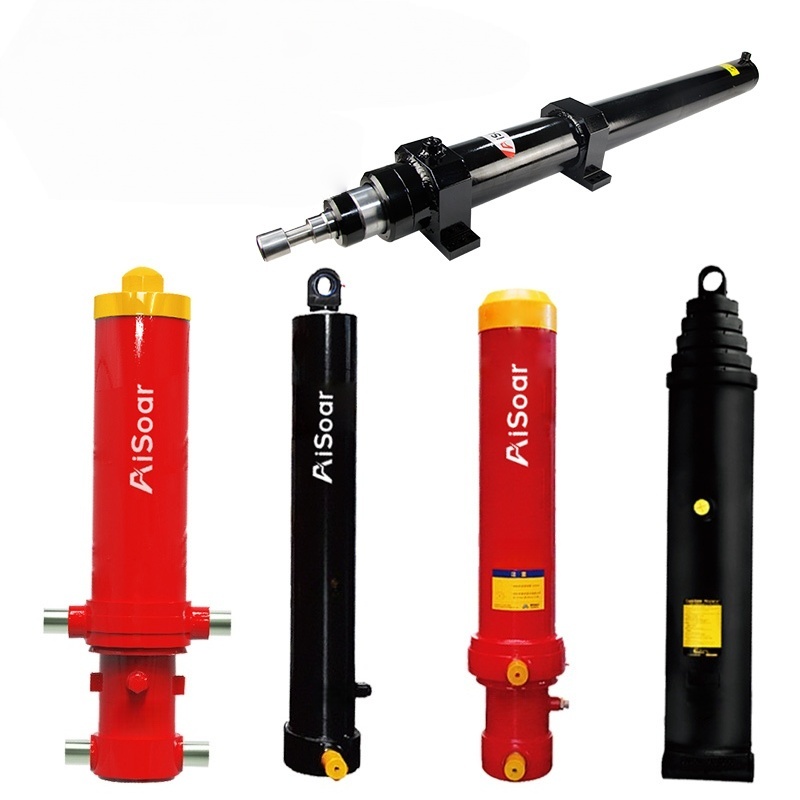
Proper hydraulic cylinder identification is crucial for maintenance, replacement, and system compatibility. Sometimes, when we need to find a hydraulic cylinder manufacturer or request a replacement, we’re unsure which dimensions and specifications to provide to the supplier. Below, we guide you through the essentials on how to identify your hydraulic cylinder, how to measure it accurately, and how to interpret its parts using diagrams and part numbers.
Look for the Manufacturer
Start with the basics – inspect your cylinder for any labels, stamps, or engravings indicating the manufacturer’s name or logo. This is a key step not only for general hydraulic cylinder identification, but also for specific cases such as John Deere hydraulic cylinder identification. With AiSoar cylinders, you’ll find distinctive identifiers that facilitate easy identification, including hydraulic cylinder part numbers which can be used for part number lookup later.

Determine the Type of Hydraulic Cylinder
Understanding the type of your cylinder helps narrow down its possible applications and replacement parts. Common types include tie-rod cylinders, welded cylinders, and telescopic cylinders. The cylinder construction offers clues about its strength and function—illustrated clearly in a hydraulic cylinder diagram. At AiSoar, each type is engineered for specific operational needs.
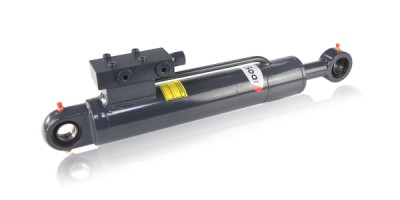
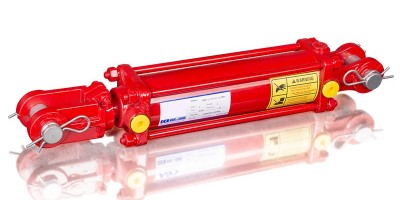
Measure the Single Stage Hydraulic Cylinder Dimensions
Step 1: Identify the Cylinder Type Before Measuring
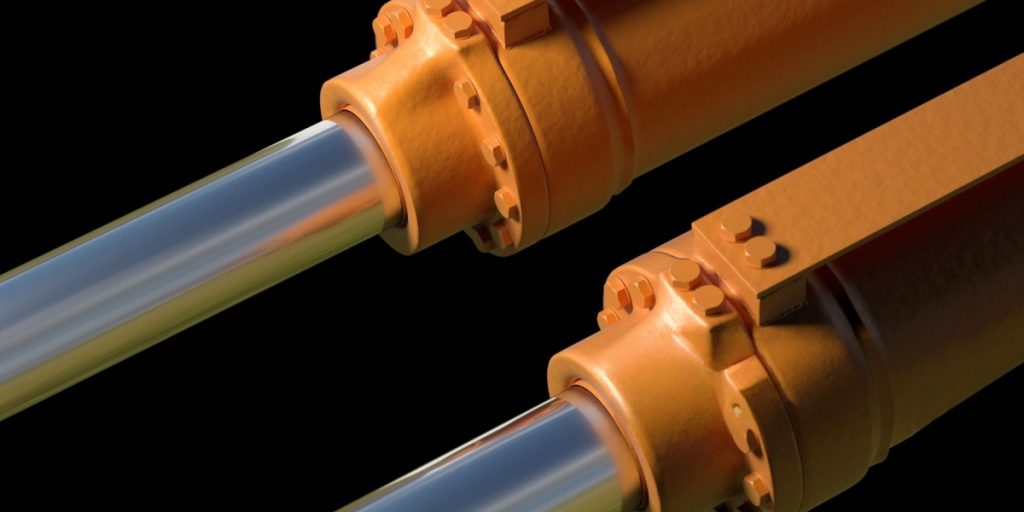
Before you start measuring a hydraulic cylinder, determine if it is a single-stage (single or double acting) or a multi-stage (telescopic) cylinder. Each type requires different measurement techniques. For single-stage cylinders, focus on bore, rod, and stroke. For telescopic cylinders, measure each stage separately, recording the bore and stroke for every section. This initial identification ensures precise measurements and compatibility for replacements.
Accurate measurement is essential for hydraulic cylinder measurements and system compatibility. You’ll need to know how to measure a hydraulic cylinder correctly:
- Bore diameter
- Rod diameter
- Extended length
- Stroke length
- Pin hole size
Grasping how to measure hydraulic cylinder components ensures successful repairs and replacements. Our specifications adhere to industry standards, making this process easier with AiSoar products.
Measure Telescopic Hydraulic Cylinders Dimensions
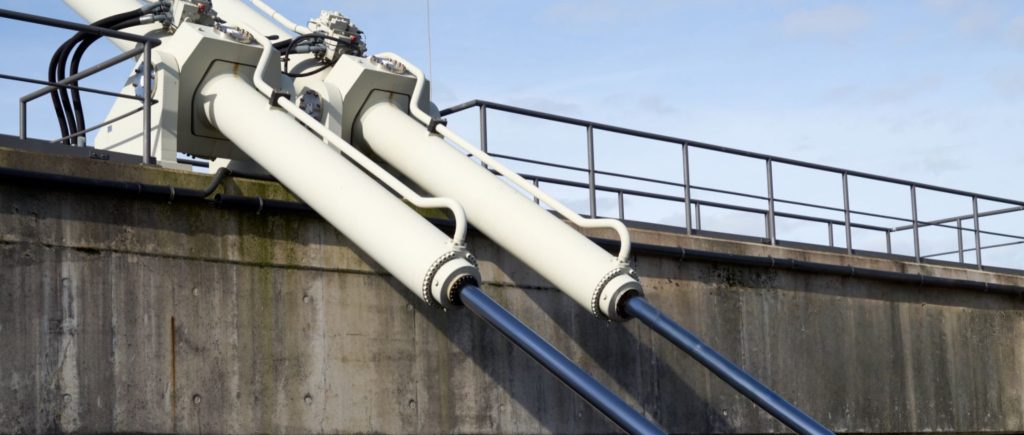
When measuring hydraulic cylinders, it’s important to understand the differences between single-stage and telescopic (multi-stage) cylinders. Here are the main dimensions that are measured differently for telescopic cylinders compared to single-stage cylinders:
Outer Diameter:You must measure the outer diameter of each stage individually.
Stroke Length :Record the stroke length for each stage separately, as each stage extends independently.
Fully Extended and Retracted Length:Both the fully extended total length and the fully retracted length are critical and must be documented.
Piston Rod Diameter: Measure only the final stage’s rod diameter (the smallest, most extended section).
Eye the Mounting Style
The way your cylinder is mounted—flange, clevis, or foot mounts—affects its performance and force direction. This detail can often be referenced in a hydraulic cylinder diagram or during a hydraulic cylinder part number lookup for mounting-specific replacements.

When identifying or replacing a hydraulic cylinder, pay attention to mounting style (such as flange, clevis, or foot mounts), as this affects performance and installation. Check for any unique features like high-temperature seals, corrosion-resistant coatings, or sensors, since these adaptations may impact your part selection.
Always consider the specific hydraulic fluid requirements provided by the manufacturer for optimal operation. If a part number is available, use hydraulic cylinder part number lookup tools or official databases to quickly access technical details and compatible parts.
Lastly, consult hydraulic cylinder diagrams for visual clarification of cylinder configuration and components, which helps ensure accurate maintenance and replacement.
Thorough hydraulic cylinder identification is the foundation for effective maintenance and guaranteed performance in your hydraulic systems. AiSoar stands ready to support you with expert guidance, custom solutions, and advanced lookup tools. Need help with part numbers or diagrams? Reach out to us and experience seamless identification and order processes.
Conclusion
Properly identifying your hydraulic cylinder is the first step to ensuring the longevity and performance of your hydraulic systems. At AiSoar, we understand how vital this process is and are here to support you every step of the way. If you need assistance or are looking for a custom solution, reach out to us today – we’re ready to elevate your hydraulic experience.