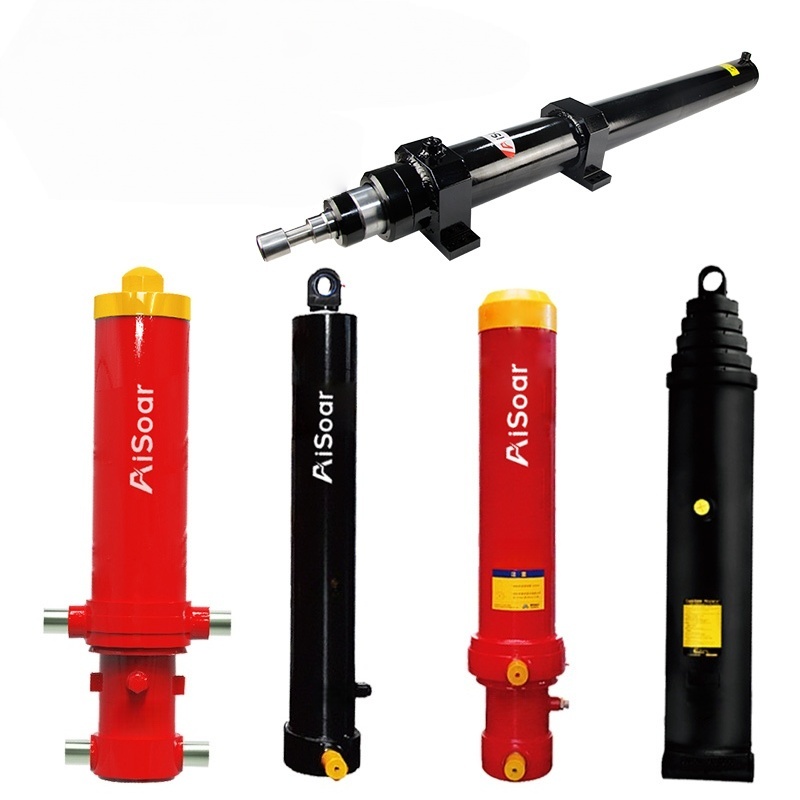
Many trailer owners choose a trailer jack based only on the total trailer weight. However, selecting the wrong capacity can result in difficult lifting, reduced jack life, and even safety issues. Understanding the correct trailer jack capacity helps ensure safe and efficient trailer operation.
A trailer jack should typically be rated for at least the trailer’s tongue weight, which is usually 10–15% of the fully loaded trailer weight. Heavy-duty commercial trailers often require higher-capacity hydraulic trailer jacks to provide additional safety and lifting performance.
The actual capacity required depends on several factors, including trailer weight, load distribution, trailer type, and operating conditions. Understanding these factors can help you choose the right trailer jack for your application.
What Does Trailer Jack Capacity Mean?
Trailer jack capacity refers to the maximum vertical load that the jack can safely lift and support. Unlike the total trailer weight, the jack only carries the portion of the load applied to the trailer tongue.
For example:
- Trailer GVWR: 10,000 lbs
- Tongue weight: 1,000–1,500 lbs
- Recommended jack capacity: 2,000–3,000 lbs
Selecting a jack with additional capacity provides a safety margin and reduces operating stress.
How to Calculate Required Trailer Jack Capacity
The basic formula is:
Trailer Jack Capacity = Trailer Tongue Weight × Safety Factor
Most manufacturers recommend using a safety factor of 1.5 to 2 times the actual tongue weight.
Example:
| Trailer Weight | Tongue Weight (10–15%) | Recommended Jack Capacity |
|---|---|---|
| 3,500 lbs | 350–525 lbs | 1,000–1,500 lbs |
| 7,000 lbs | 700–1,050 lbs | 2,000–3,000 lbs |
| 10,000 lbs | 1,000–1,500 lbs | 3,000–5,000 lbs |
| 20,000 lbs | 2,000–3,000 lbs | 5,000–10,000 lbs |
| 30,000 lbs | 3,000–4,500 lbs | 10,000 lbs+ |
This additional capacity improves durability and ensures reliable lifting performance.
What Is Tongue Weight?
Tongue weight is the downward force exerted by the trailer coupler onto the towing vehicle.
Most trailers have a tongue weight equal to:
- Utility trailers: 10–15%
- Equipment trailers: 10–15%
- RV trailers: 10–15%
- Heavy commercial trailers: 15–20%
If the tongue weight is too low, trailer sway may occur. If it is too high, excessive load may be placed on the tow vehicle and trailer jack.
Measuring tongue weight accurately is one of the best ways to select the correct trailer jack capacity.
Trailer Jack Capacity by Trailer Type
Different trailer applications often require different jack capacities.
| Trailer Type | Typical Trailer Weight | Recommended Jack Capacity |
|---|---|---|
| Utility Trailer | 2,000–5,000 lbs | 1,000–2,000 lbs |
| Boat Trailer | 3,000–8,000 lbs | 1,500–3,000 lbs |
| RV Trailer | 5,000–12,000 lbs | 3,000–5,000 lbs |
| Equipment Trailer | 10,000–20,000 lbs | 5,000–10,000 lbs |
| Dump Trailer | 14,000–25,000 lbs | 8,000–12,000 lbs |
| Commercial Trailer | 20,000 lbs+ | 10,000–30,000 lbs |
Heavy-duty applications often use hydraulic trailer jacks because they provide higher lifting capacity and smoother operation.
Why Choose a Larger Capacity Jack?
Many operators intentionally choose a larger jack than the minimum required capacity.
Advantages include:
- Increased safety margin
- Reduced operating stress
- Longer service life
- Better stability
- Easier lifting under uneven loading conditions
For example, if the actual tongue weight is 2,500 lbs, a 5,000-lb hydraulic trailer jack may provide better long-term reliability than a 3,000-lb jack.
Hydraulic Trailer Jack Capacity Range
Hydraulic trailer jacks are designed for heavy-duty applications and are available in various capacities.
Typical hydraulic trailer jack capacities include:
| Hydraulic Jack Capacity | Typical Applications |
|---|---|
| 5,000 lbs | Small equipment trailers |
| 8,000 lbs | Utility and RV trailers |
| 10,000 lbs | Dump trailers |
| 12,000 lbs | Equipment trailers |
| 20,000 lbs | Commercial trailers |
| 30,000 lbs+ | Heavy industrial trailers |
Hydraulic systems can generate higher lifting force with less manual effort, making them ideal for commercial and industrial trailer applications.
Common Mistakes When Choosing Trailer Jack Capacity
Several common mistakes can lead to poor performance:
Using Total Trailer Weight
The trailer jack supports tongue weight, not the entire trailer weight.
Choosing the Smallest Possible Capacity
Minimal capacity leaves little safety margin and increases wear.
Ignoring Future Load Increases
Additional cargo may increase tongue weight over time.
Overlooking Ground Conditions
Soft or uneven surfaces may require additional capacity and stability.
Avoiding these mistakes helps improve safety and extend jack service life.
Conclusion
The correct trailer jack capacity depends primarily on trailer tongue weight rather than total trailer weight. Most trailer jacks should be rated at least 1.5 to 2 times the actual tongue weight to provide adequate safety and durability.
For light-duty trailers, capacities between 1,000 and 3,000 lbs may be sufficient. Heavy-duty equipment trailers, dump trailers, and commercial trailers often require hydraulic trailer jacks ranging from 5,000 to 30,000 lbs or more.
Choosing the proper trailer jack capacity improves lifting performance, increases safety, and ensures reliable trailer operation.