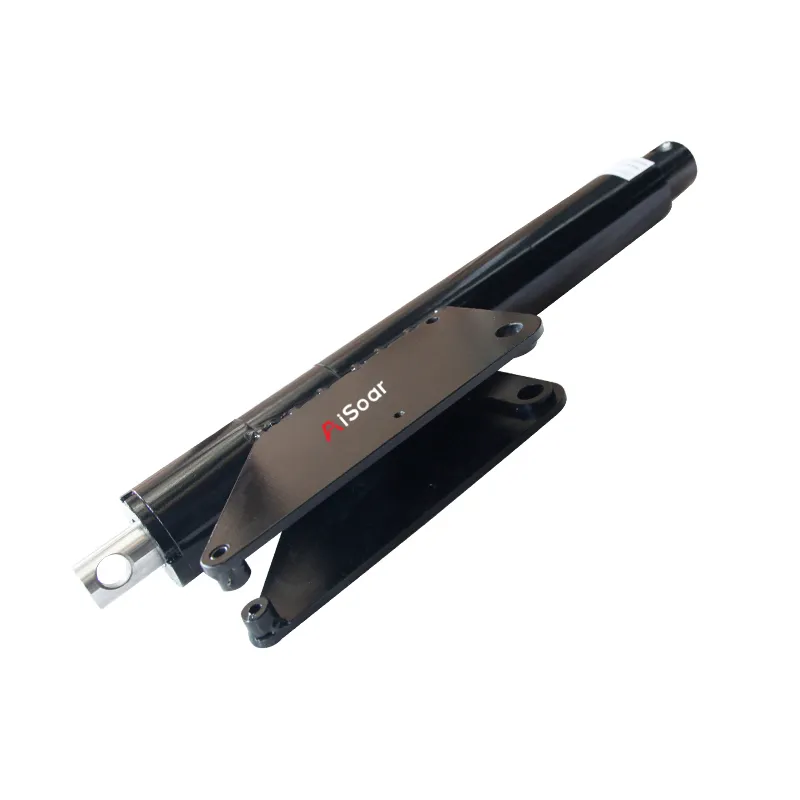
Struggling to recognize all the hydraulic cylinder components? Misidentification can lead to costly repairs and critical downtime. This guide will clarify every cylinder part and their functions, helping you choose replacements with confidence.
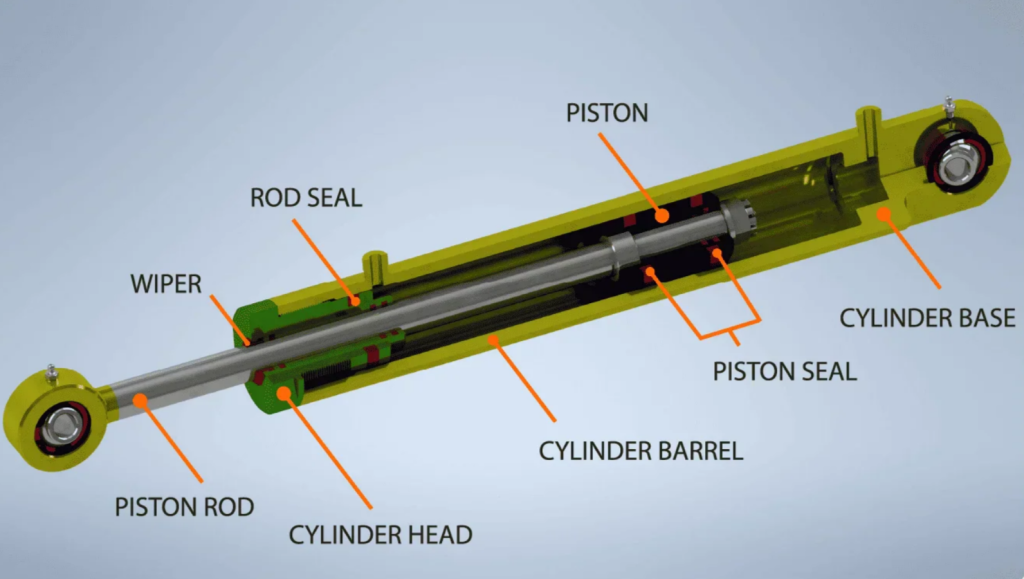
A hydraulic cylinder consists of several key components: the barrel, piston, piston rod, head, cap, base, gland, and seals. Understanding their functions is crucial for maintenance and safe operation of any hydraulic system.
Want to master component identification and extend your hydraulic system’s service life? Read on for in-depth insights into every critical part.
Barrel
The barrel is the main body of a hydraulic cylinder and acts as the primary pressure vessel.This tubular hydraulic cylinder component contains and directs the movement of the piston as hydraulic fluid is introduced and released.
Additional Things to Know
- Constructed from high-strength materialslike steel or alloy, the barrel must withstand extreme internal pressures and prevent deformation or wear.
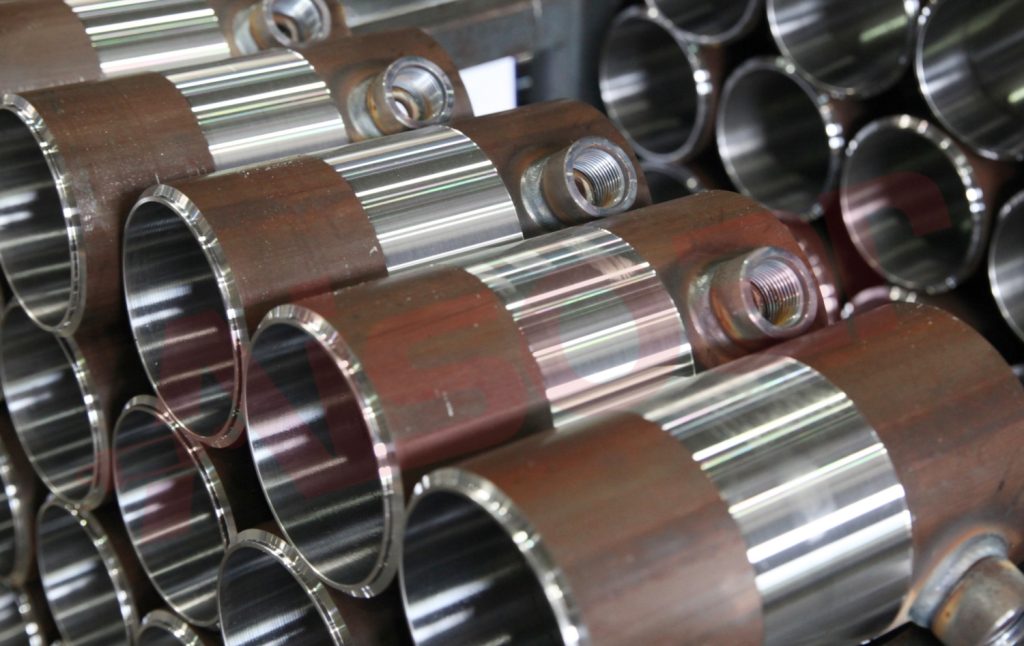
- The inner surface is typically honed to a precise finishto reduce friction during piston movement, minimizing seal wear and ensuring a smooth, leak-free performance.
- Choosing barrels with superior material quality and surface treatmentextends the cylinder’s service life and reduces maintenance costs for heavy-duty operations in construction and manufacturing.
- Regular inspection for scratches or corrosionis essential, as barrel integrity is vital for efficient system operation and safety.
Piston and Piston Rod
The piston and piston rod are integral hydraulic cylinder components that convert hydraulic pressure into mechanical force and linear motion.The piston fits tightly within the barrel, and when pressurized fluid enters the chamber, it pushes the piston, creating movement.
Additional Things to Know
- Attached to the piston is the piston rod—a hardened, precision-machined shaft that transfers the generated force to the external mechanism, such as a machine or actuator.
- High-quality piston rods are often chrome-plated or made from alloy steel to increase corrosion resistance, surface hardness, and wear protection, which are critical for outdoor or corrosive environments.
- The fit and tolerance between the piston and rod is precisely engineered—their dynamic seal interface is where many failures occur if low-quality parts are used.
- Selecting rods with proper diameter, surface finish, and strength ratings ensures reliable lifting, pushing, or holding applications in hydraulic presses, excavators, and industrial machinery.
Cylinder Head and Cap
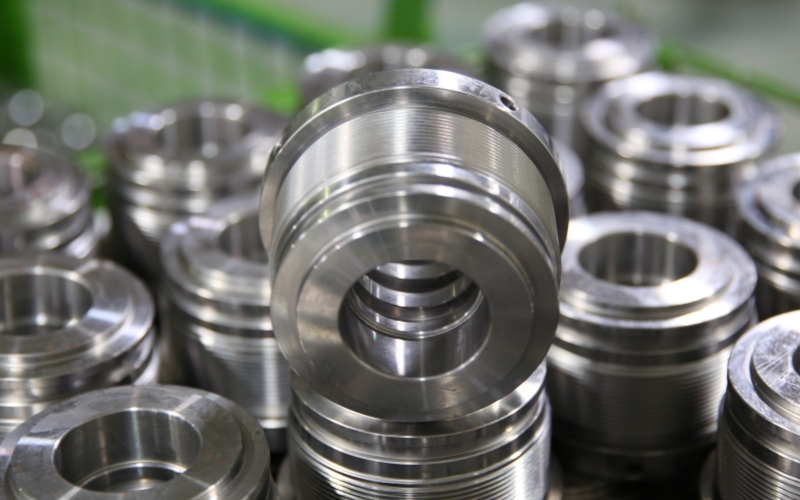
The cylinder head (or gland end head) and the cylinder cap (also known as end cap or base cap) serve as closure components at each end of the hydraulic cylinder barrel. The cylinder head typically houses the seal gland, guiding and supporting the piston rod’s movement as it extends or retracts. This part must be precisely machined and matched to the rod to ensure tight sealing and minimize friction.
The cylinder cap closes off the opposite end of the barrel and is typically bolted or threaded in place, providing structural integrity against high-pressure operation.
Both the head and cap are engineered to handle thrust, pressure shocks, and alignment, effectively distributing stresses across the cylinder body.
Durable materials and robust design are crucial for these components, particularly in heavy industrial, offshore, or mobile applications.Proper maintenance of the head and cap is vital to prevent leaks, misalignment, or catastrophic failure.
Hydraulic Cylinder Base/Gland
Hydraulic Cylinder Base
- Refers to the mounting end of the cylinder assembly.
- Provides a secure foundation for installing cylinders onto machines, frames, or pivot points.
- Common mounting methods include clevis, trunnion, or flange mounts.
- Proper mounting is vital: Poor alignment or insufficient support can lead to side loading, premature rod and seal wear, or cylinder breakage.
Gland
Located within or adjacent to the head, serving as a movable component.
Holds seal assemblies securely in place.
Key for seal replacement and maintenance: Allows technicians to disassemble and access internal seals without damaging the main barrel or head.
Industrial Demands:
With increasingly demanding workloads, both the base and gland must be specified for the correct type, size, and material.
Monitoring for wear, corrosion, or misalignment in these components reduces downtime and unexpected repair costs.
Seal Gland and Seals
Critical components that prevent fluid leakage and ensure pressurized operation. Located in the seal gland section of the cylinder head where seal rings, wipers, and O-rings are fitted. These elements are layered to create multiple barriers against leaks, dust, and contaminants.
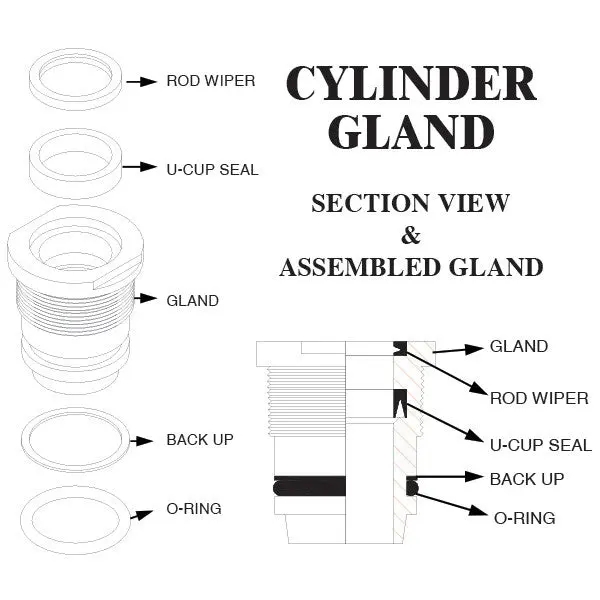
Seal Types:
- O-rings: These versatile, round rubber rings fit into grooves, providing a static seal between non-moving parts.
- Piston seals: Fitted directly onto the piston, they create a tight seal against the cylinder barrel.
- Rod seals: Located in the cylinder head, these seals form a barrier around the piston rod, preventing leaks even as it moves.
- Specialty seals: Various other seal shapes exist for specialized functions and high-pressure applications.
Seal Materials:
Made from specialized materials like polyurethane, PTFE, or nitrile rubber.
Designed to resist the chemical effects of hydraulic oils and the heat of high-cycle operation.
Seal Installation and Maintenance:
Incorrectly installed or worn seals are the leading cause of cylinder failure, resulting in hydraulic leaks, contamination, and pressure loss. Regular inspection and replacement of gland seals is essential to extend the lifespan of both the cylinder and the system.
Advanced Applications:
High-end cylinders may use custom-engineered seal gland assemblies.
Designed for extreme pressures or temperatures, ensuring reliability in diverse industrial, mobile, or offshore applications.