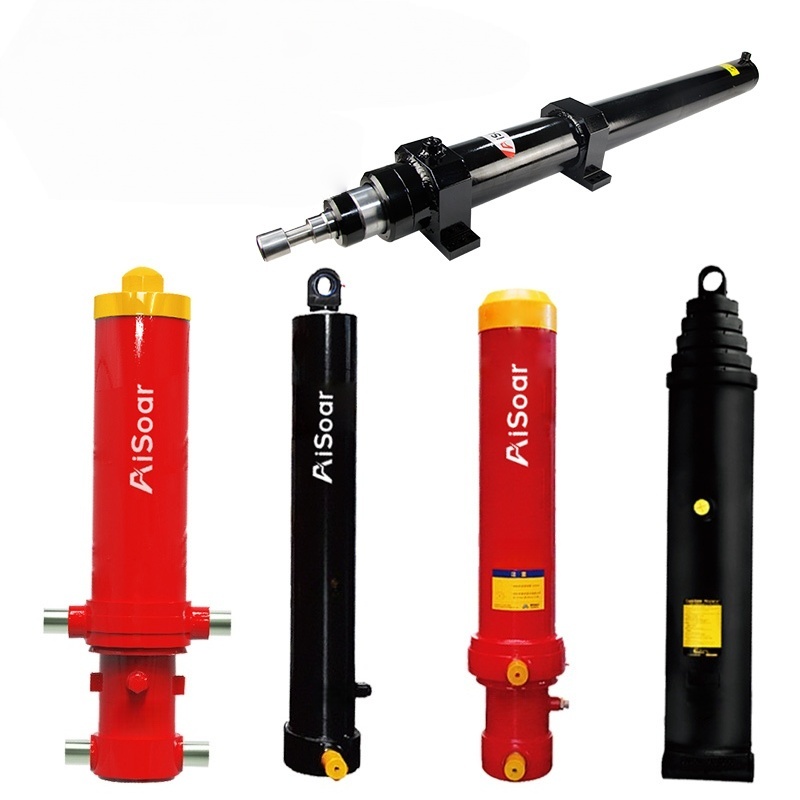
Trailer owners often choose the wrong jack size, causing lifting difficulties, instability, and premature failures. Selecting the correct hydraulic trailer jack size improves safety, performance, and service life.
A hydraulic trailer jack should be selected according to trailer tongue weight, lifting capacity, stroke length, and mounting space. Proper sizing ensures safe lifting, stable trailer support, longer service life, and reliable operation for utility, dump, equipment, and commercial trailers.
Understanding hydraulic trailer jack sizing factors can help you select the best jack for your trailer application.
Why Hydraulic Trailer Jack Size Matters?
Choosing the correct hydraulic trailer jack size is one of the most important decisions for trailer safety and performance. Many users focus only on the total trailer weight, but the actual load carried by the jack is the trailer tongue weight. An undersized jack may struggle to lift the trailer or operate near its maximum capacity, which can reduce service life and increase the risk of failure.
A properly sized hydraulic trailer jack provides stable lifting, smoother operation, and better support during loading and unloading. Larger trailers often experience higher dynamic loads when parked on uneven ground or during cargo transfer. In these situations, additional lifting capacity provides an important safety margin.
Oversized jacks are not always the best solution. Larger cylinders may require more mounting space, additional hydraulic components, and higher costs. Therefore, selecting the proper size based on actual operating requirements is essential.
The correct hydraulic trailer jack size improves operating efficiency, reduces maintenance costs, and helps extend the lifespan of both the trailer and the hydraulic system.
Understanding Hydraulic Trailer Jack Size
Several important factors determine the correct hydraulic trailer jack size. These include tongue weight, lifting capacity, stroke length, and installation dimensions.
Step 1: Determine Trailer Tongue Weight
The hydraulic trailer jack supports the trailer tongue weight rather than the full trailer weight. In most applications, tongue weight typically represents 10% to 15% of the total loaded trailer weight.
For example, a 10,000-pound trailer may have a tongue weight between 1,000 and 1,500 pounds. Selecting a hydraulic jack with sufficient capacity above this load provides an additional safety factor.
Heavy equipment trailers, dump trailers, and gooseneck trailers often generate higher tongue loads due to cargo positioning. Measuring the actual tongue weight using a scale provides the most accurate sizing information.
Most manufacturers recommend choosing a hydraulic trailer jack with at least 1.5 times the expected tongue weight to ensure reliable operation.
Step 2: Select the Required Capacity
Hydraulic trailer jacks are available in various lifting capacities. Common ratings include 5,000 lbs, 8,000 lbs, 10,000 lbs, 12,000 lbs, 20,000 lbs, and higher capacities for industrial applications.
Light utility trailers may only require a 5,000-pound jack, while dump trailers and equipment trailers often require 10,000 to 20,000-pound capacities.
Selecting sufficient capacity provides several advantages:
- Improved safety margin
- Reduced hydraulic system stress
- Longer component life
- Better stability during operation
The lifting capacity should always exceed the expected operating load.
Step 3: Choose the Proper Stroke Length
Stroke length refers to the distance the jack extends during operation. The required stroke depends on trailer height, ground conditions, and leveling requirements.
Typical hydraulic trailer jack strokes include:
- 6 inches
- 8 inches
- 10 inches
- 12 inches
- 15 inches
Trailers operating on uneven surfaces often require longer strokes to achieve proper leveling. Insufficient stroke may prevent the trailer from being fully supported or disconnected from the towing vehicle.
Longer strokes provide greater flexibility but may require additional installation space. Therefore, the stroke should match the trailer design and operating environment.
Step 4: Check Mounting Space
The available mounting space is another critical factor. The jack must fit within the trailer frame while providing adequate lifting travel.
Important dimensions include:
- Retracted height
- Extended height
- Mounting width
- Ground clearance
- Frame clearance
Some heavy-duty hydraulic trailer jacks require larger mounting brackets or reinforced frame structures. Installing an oversized jack without considering space limitations can create interference problems.
Carefully measuring the available installation area before purchasing helps ensure proper fitment and operation.
Recommended Hydraulic Trailer Jack Sizes
Different trailer types require different hydraulic trailer jack sizes. Selecting the appropriate capacity and stroke ensures safe and efficient operation.
Utility trailers commonly use 5,000-pound jacks with 6 to 8 inches of stroke. Car haulers typically require 8,000 to 10,000-pound capacities with 8 to 10 inches of travel.
Equipment trailers and dump trailers often use 10,000 to 20,000-pound hydraulic jacks with 10 to 15 inches of stroke. Heavy-duty commercial trailers and gooseneck trailers may require capacities exceeding 20,000 pounds.
The operating environment also influences size selection. Trailers used on construction sites, farms, or uneven terrain generally benefit from larger strokes and additional lifting capacity.
Selecting the proper hydraulic trailer jack size based on trailer type improves stability, lifting performance, and long-term reliability.
Single Jack vs Dual Hydraulic Jacks
Many small trailers use a single hydraulic trailer jack because it offers a simple and economical solution. Single jacks require fewer components, lower installation costs, and less maintenance.
However, larger trailers often benefit from dual hydraulic jacks. Two jacks distribute the load more evenly across the trailer frame and improve overall stability.
Advantages of dual hydraulic jacks include:
- Increased lifting capacity
- Better trailer balance
- Reduced frame stress
- Improved stability on uneven surfaces
- Safer operation for heavy loads
Gooseneck trailers, large equipment trailers, and industrial trailers commonly use dual jack systems.
Although dual hydraulic jacks increase initial cost, they often provide better long-term performance and safety for heavy-duty applications.
Hydraulic Trailer Jack Size Chart
The following chart provides general recommendations for selecting hydraulic trailer jack sizes.
| Trailer Type | Capacity | Stroke Length |
|---|---|---|
| Utility Trailer | 5,000 lbs | 6–8 in |
| Car Hauler | 8,000–10,000 lbs | 8–10 in |
| Equipment Trailer | 10,000–12,000 lbs | 10–12 in |
| Dump Trailer | 12,000–20,000 lbs | 12–15 in |
| Gooseneck Trailer | 20,000 lbs+ | 12–18 in |
| Industrial Trailer | 30,000 lbs+ | Custom |
These recommendations provide a useful starting point. Actual requirements may vary depending on trailer design, load distribution, and operating conditions.
When selecting a hydraulic trailer jack, always consider tongue weight, safety factors, lifting height, and installation dimensions together.
A properly sized hydraulic trailer jack improves lifting performance, increases safety, and provides reliable operation throughout the trailer’s service life.
Summary
Choosing the correct hydraulic trailer jack size is essential for safe and reliable trailer operation. The proper jack should be selected according to trailer tongue weight, required lifting capacity, stroke length, and available mounting space. An undersized jack may cause lifting difficulties and premature wear, while an oversized jack can increase costs and installation requirements.
Most hydraulic trailer jacks are sized based on the trailer’s tongue weight rather than its total weight. Utility trailers typically require smaller jacks, while dump trailers, equipment trailers, and gooseneck trailers often need higher capacities and longer strokes. Single hydraulic jacks are suitable for light-duty applications, whereas dual jacks provide greater stability and load distribution for heavy trailers.
By understanding these sizing factors and using a hydraulic trailer jack size chart as a reference, trailer owners can improve safety, enhance lifting performance, and extend the service life of both the jack and the trailer.