A stuck or unstable trailer can waste time and cause injuries. If the jack fails, coupling becomes risky and damage follows. Understanding how a trailer jack works helps you lift safely, hitch correctly, and tow confidently.
A trailer jack converts manual, electric, or hydraulic force into vertical lift at the trailer tongue. It raises and lowers the coupler for hitching, leveling, and parking stability. Whether using a trailer tongue jack, electric model, or hydraulic gooseneck jack, the core job is controlled lifting, load support, and safe alignment with your tow vehicle.
Keep reading to see exactly how each jack type functions, when to use it, and how to choose the right setup.
What Is a Trailer Jack and Why Is It Important?
A trailer jack is a lifting device mounted on a trailer frame or tongue that raises and lowers the front end of the trailer. In simple terms, it supports tongue weight when the trailer is not connected to a tow vehicle and helps align the coupler with the hitch ball. Without a proper jack for a trailer, hitching is difficult, uneven, and potentially dangerous. You may struggle to match hitch height, especially on sloped ground or with heavy cargo loaded.
The trailer tongue jack also plays a major safety role. It prevents sudden drop or front-end collapse when uncoupling. For storage, it stabilizes the trailer and reduces stress on the coupler and frame. In work applications—such as livestock, utility, RV, or marine trailers—a reliable trailer lifting jack saves time and physical effort while improving precision. For larger rigs, including horse and equipment haulers, a jack for gooseneck trailer or dedicated gooseneck jack is essential because these trailers carry higher pin weights and need stronger lifting systems. In short, a trailer jack is not just a convenience tool—it is a core component of safe towing operations.
How Does a Trailer Jack Work?
If you’re asking how does a trailer jack work, the process is straightforward: input force goes in, mechanical lift comes out. The jack body contains an internal mechanism—typically a screw drive, gear set, or hydraulic ram—that converts turning, motor power, or fluid pressure into vertical movement of an inner tube or footplate.
Step 1: Position and stabilize. Place the trailer on reasonably level ground and secure wheels with chocks. This prevents rolling during lifting.
Step 2: Engage the jack. On a manual unit, turn the crank. On an electric unit, press the up/down switch. On hydraulic systems, pump or activate hydraulic pressure.
Step 3: Internal lift motion begins. The mechanism pushes the jack leg downward against the ground, which lifts the trailer tongue upward.
Step 4: Adjust hitch height. Raise or lower until the coupler is aligned with the tow ball (or gooseneck connection point).
Step 5: Couple or uncouple safely. Once connected, retract the jack fully for travel clearance.
Step 6: Secure for transport or parking. Some models, such as a pivoting trailer jack, swing up and lock horizontally to avoid road strikes.
This controlled motion is what makes hitching precise, repeatable, and safer for both equipment and operator.
Types of Trailer Jacks: Manual, Electric, and Hydraulic
Trailer jacks come in three main categories: manual, electric, and hydraulic. Each type suits different trailer sizes, usage frequency, and load requirements. Choosing correctly improves safety and reduces wear.
Manual jacks are the most common and budget-friendly. They use a hand crank and internal screw/gear mechanism. They are ideal for light to medium-duty trailers and occasional users. A manual trailer tongue jack is simple, durable, and easy to maintain, though it requires physical effort. Some versions are side-wind or top-wind, and some are pivoting trailer jack models for better ground clearance.
Electric jacks automate lifting through a 12V motor connected to the trailer battery. They are popular on RVs and heavier bumper-pull trailers where frequent hitching is expected. A powered trailer lifting jack reduces strain and speeds setup. Many include work lights, weather covers, and emergency manual override.
Hydraulic jacks are designed for heavy-duty applications, especially commercial trailers and gooseneck setups. A gooseneck jack with hydraulic assistance handles high pin weight and repeated cycles efficiently. Hydraulic systems deliver strong, smooth lift with less effort under heavy loads. If you need a jack for gooseneck trailer, hydraulic or dual-leg heavy electric options are often preferred for stability and lifting capacity.
How an Electric Trailer Jack Works
An electric trailer jack uses a DC motor, reduction gears, and a lead screw to move the jack leg up or down. Power usually comes from the trailer’s 12V battery system. When you press the control switch, the motor rotates in one direction to extend (lower the foot and raise the trailer) or reverse direction to retract (lower the trailer or stow the jack).
Inside the housing, the motor’s high-speed rotation is reduced through gears to create high torque. That torque turns the screw mechanism, which drives linear motion of the inner tube. This is the same core principle as manual screw jacks, but motorized for convenience. Most units include limit protection to prevent over-travel, and many have circuit breakers for overload safety.
For practical use, an electric jack for a trailer is excellent when you hitch often, handle moderate to heavy tongue weight, or want faster, less strenuous operation. It is especially useful for RV owners and contractors making frequent stops. Maintenance includes keeping electrical connections clean, protecting the head unit from water intrusion, and lubricating moving parts per manufacturer instructions. A quality electric trailer tongue jack can significantly improve daily workflow while maintaining accurate hitch height control.
How a Hydraulic Trailer Jack Works
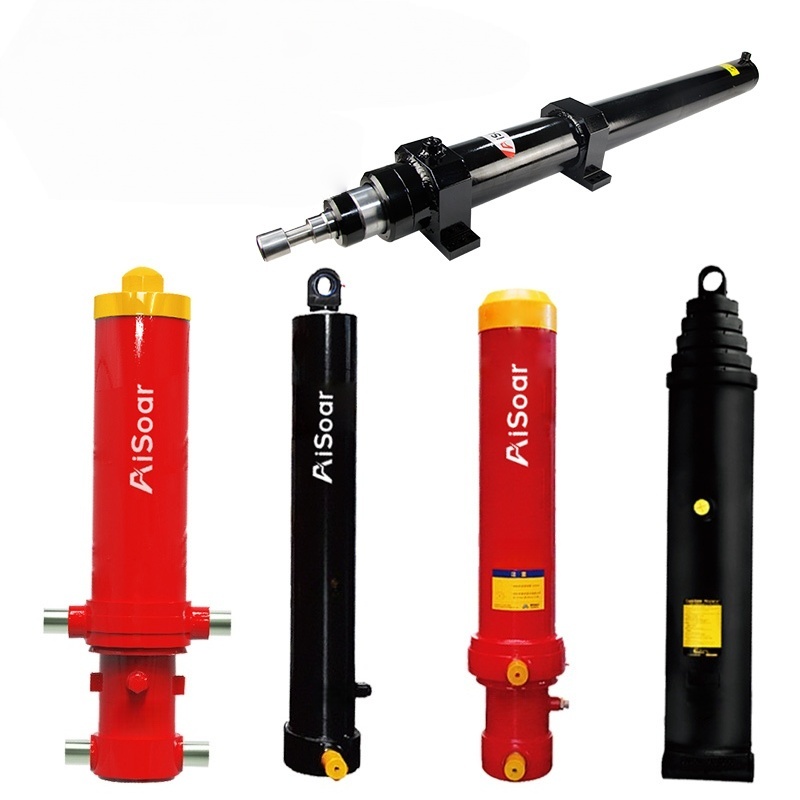
A hydraulic trailer jack works by using pressurized fluid to generate lifting force. Instead of relying only on screw threads, it uses a hydraulic cylinder and piston. When pressure is applied—via a hand pump, electric hydraulic pump, or integrated system—fluid pushes the piston, extending the jack and lifting the trailer. Releasing pressure allows controlled retraction.
The key advantage is force multiplication. Hydraulic systems can lift very heavy loads smoothly with relatively little operator effort, which is why they are common on commercial platforms and high-capacity jack for gooseneck trailer setups. In many gooseneck applications, dual hydraulic legs improve side-to-side stability while hitching on uneven terrain.
A hydraulic gooseneck jack is typically chosen when trailers carry equipment, livestock, or other dense loads that put substantial weight on the front connection point. It also performs well in high-cycle operations where reliability and speed matter. To keep hydraulic systems safe, check hoses, seals, and fluid levels regularly, and inspect for leaks before operation. When maintained correctly, hydraulic trailer lifting jack systems deliver excellent durability, precise control, and confident lifting performance even in demanding towing environments.
Trailer Jack Weight Capacity: How Much Can It Lift?
| Jack Type | Typical Capacity | Best For |
| Pivoting Jack | 1,000–5,000 lbs | Light-duty utility/boat trailers |
| Manual Tongue Jack | 2,000–5,000 lbs | Light to medium bumper-pull trailers |
| Electric Trailer Jack | 3,000–5,000 lbs (some higher) | RVs, enclosed trailers, frequent hitching |
| Hydraulic Jack | 6,000–12,000+ lbs | Commercial heavy-duty, high-cycle applications |
| Gooseneck Single-Leg Jack | 7,000–12,000 lbs | Medium to heavy gooseneck trailers |
| Gooseneck Dual-Leg Jack Set | 12,000–24,000 lbs (combined) | Heavy gooseneck trailers (equipment/livestock) |