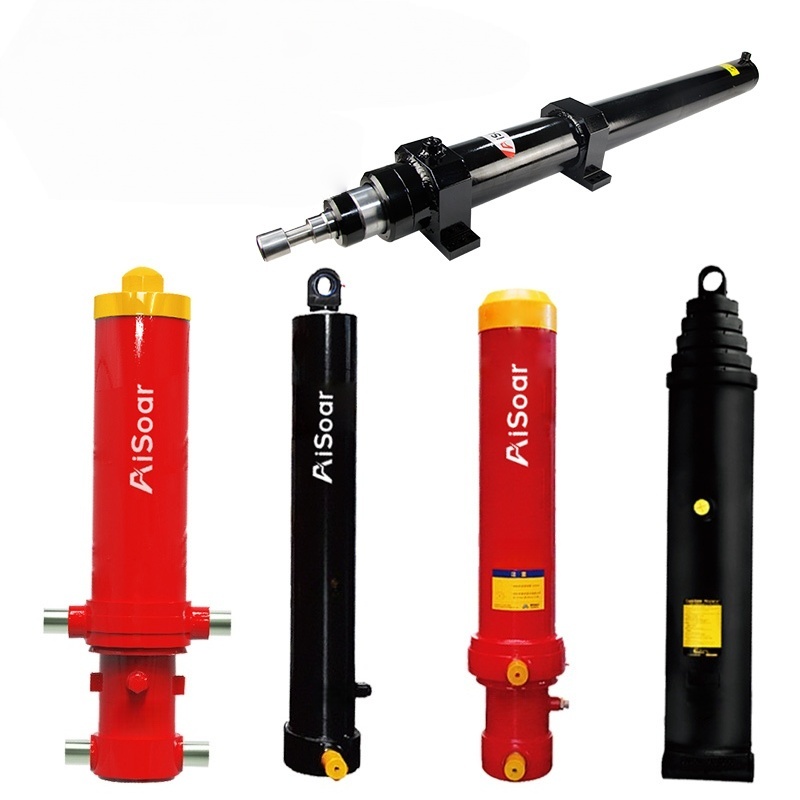
Uncertain cylinder selection can result in performance issues and costly downtime; choosing the wrong hydraulic cylinder type threatens system efficiency and safety—learn how to select the right solution for peace of mind.
Choosing the right hydraulic cylinder type is crucial to avoid system failure and costly repairs. Common types include single acting hydraulic cylinder, double acting hydraulic cylinder, telescopic cylinder, and hydraulic ram pump. Understanding their features will help you pick the best fit for your application.
What is a Hydraulic Cylinder?
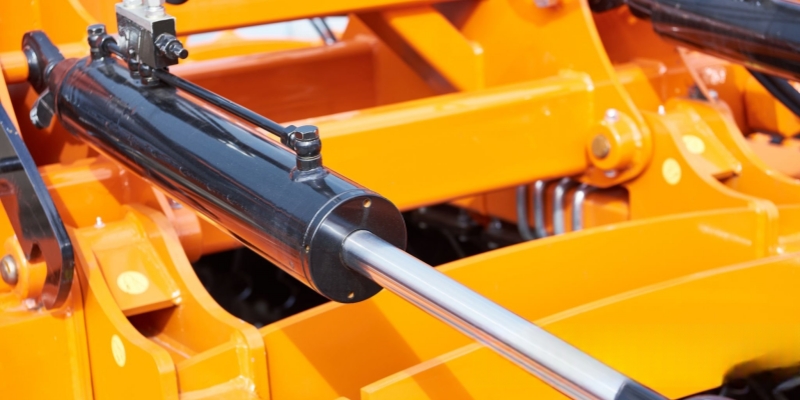
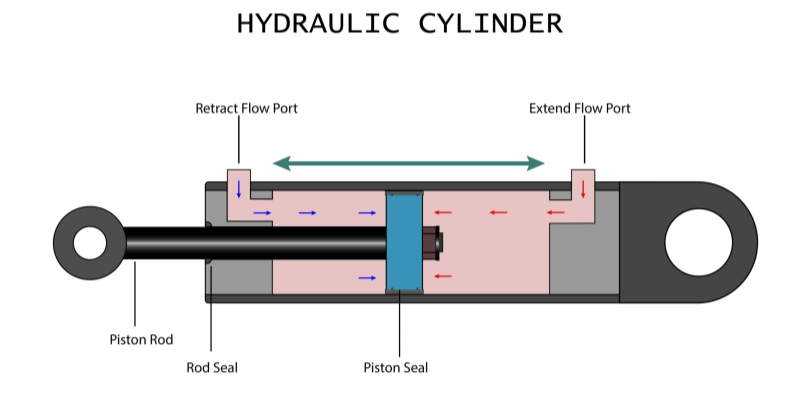
A hydraulic cylinder is a mechanical actuator that uses hydraulic pressure to create linear movement and force. Typically found in industrial equipment, construction machinery, and manufacturing processes, hydraulic cylinders convert hydraulic energy into mechanical force through a piston that moves inside a sealed cylinder. The cylinder body contains hydraulic fluid, which is pressurized to push or pull the piston rod, resulting in controlled movement. The main parts include the cylinder barrel, piston, piston rod, end caps, and sealing components. Hydraulic cylinders are critical for precise operations, heavy lifting, and sustained force delivery. By understanding hydraulic cylinder pistons and their function within the system, users can better appreciate how different cylinder configurations affect performance and reliability.
What are the types of hydraulic cylinders?
Single Acting Hydraulic Cylinder
This type uses hydraulic pressure to move the piston in only one direction—usually to extend. Retraction is achieved by an internal spring or external force such as gravity. The structure is simple, with only one port for fluid input, which reduces complexity and maintenance. Single acting hydraulic cylinders are ideal for applications such as lifting platforms, pallet trucks, clamping devices, and basic press machinery, where work is performed primarily in one direction.
Double Acting Hydraulic Cylinder
Double acting cylinders have two ports—one at each end of the barrel. Hydraulic fluid can be supplied alternately to either side of the piston, allowing both extension and retraction with positive force. These cylinders are extremely versatile and form the backbone of construction equipment such as excavators, loaders, and industrial automation lines. They allow precise control of position, speed, and force in both directions, making them suitable for cyclic and reversing operations.
二. Structural Type Classification
Tie Rod Hydraulic Cylinder
Tie rod cylinders are characterized by their construction using threaded steel rods (tie rods) running the length of the cylinder, securing the end caps to the barrel. This modular design facilitates manufacturing, maintenance, and repair. Tie rod cylinders are commonly found in industrial settings, including automation machinery, presses, and machine tools. They are well-suited for medium-duty applications where ease of disassembly is important.
Welded Hydraulic Cylinder
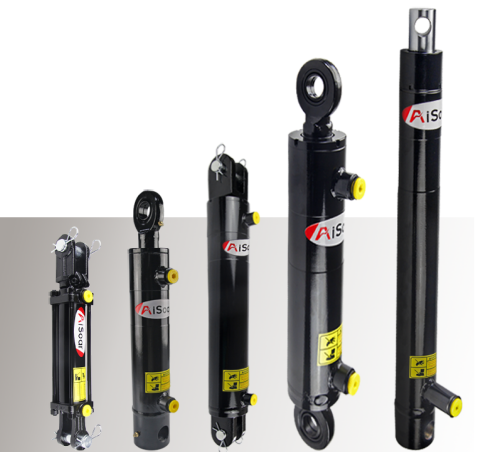
Welded cylinders feature end caps welded directly to the tube, providing a compact, robust, and leak-resistant structure. Compared to tie rod cylinders, the welded design allows for more flexible mounting options and higher pressure ratings due to the absence of bolt-related stress points. Welded hydraulic cylinders are widely used in mobile hydraulics, such as construction equipment, agricultural machinery, and heavy-duty vehicles, where reliability and compactness are critical.
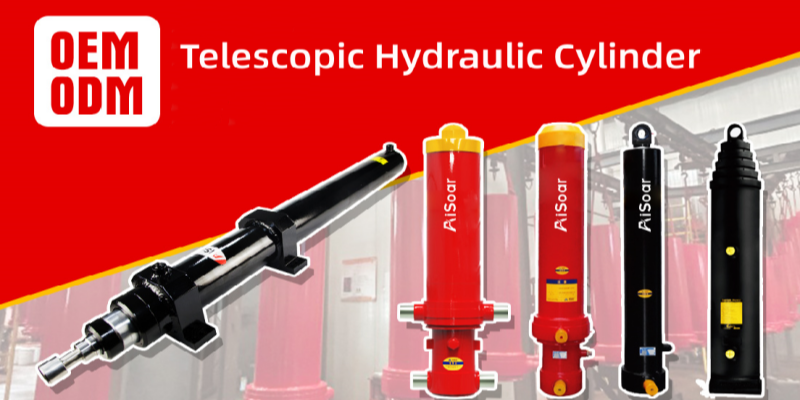
Telescopic Hydraulic Cylinder
Telescopic cylinders utilize multiple nested stages (sleeves) to deliver an extended stroke from a minimal collapsed length. Their unique multi-stage construction is ideal for applications requiring long reach within limited space, such as dump trucks, cranes, and lifting platforms. Telescopic cylinders are available in both single acting and double acting configurations, depending on application needs.
Hydraulic Ram Cylinders
Hydraulic Ram Cylinders are powerful linear actuators specifically designed to deliver exceptionally high force in heavy-duty industrial applications. With their large-diameter pistons and robust construction, ram cylinders are ideal for lifting, pushing, or pressing tasks that require tremendous power over relatively short distances. Commonly used in hydraulic presses, jacks, and construction equipment, hydraulic ram cylinders ensure reliable performance and long service life even in the most demanding environments. Their simple yet durable design makes them a preferred choice for industries that rely on maximum force and minimal maintenance. Choosing the right hydraulic ram cylinder helps guarantee safe, efficient, and effective operation tailored to your application needs.
Hydraulic Cylinder For Different Application
| Cylinder Type | Main Applications |
| Tie Rod Cylinder | Injection molding machines, presses, material conveyors, machine fixtures, tractor hydraulic systems, seeders, agricultural sprayers |
| Welded Cylinder | Excavators, loaders, bulldozers, tractors, hydraulic lift platforms |
| Telescopic Cylinder | Dump truck lifting, garbage compactors, lifting platforms, ship hatch covers |
| Hydraulic Ram Cylinder | Hydraulic presses, jacks, heavy lifting, punching machines, structural pressing |
Conclusion
Selecting the optimal hydraulic cylinder type involves understanding your application’s force, motion, and space requirements. From single acting to ram-type cylinders, each design offers unique advantages. Evaluating cylinder piston specifications, actuation methods, and hydraulic system compatibility is essential for achieving maximum productivity and minimizing downtime. Prioritize quality and consult experts to ensure your hydraulic solutions deliver safe, efficient, and trouble-free performance.