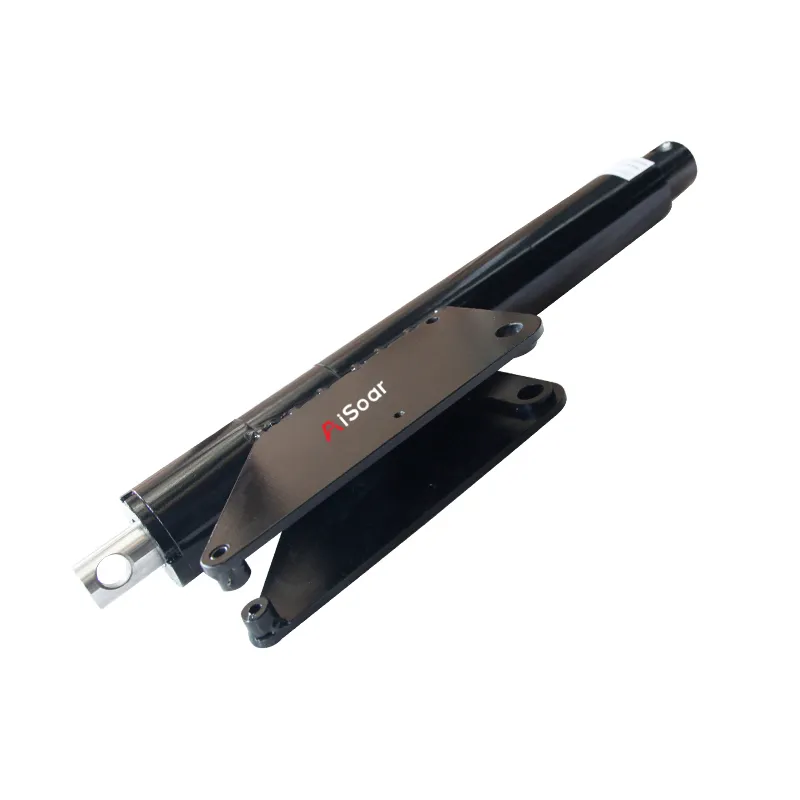
Low force, slow splitting, or frequent breakdowns? Using the wrong log splitter cylinder kills productivity. The right hydraulic solution ensures smooth, powerful splitting every time.
The best hydraulic cylinder for a log splitter depends on your desired force, speed, and log size. Choose the right bore, stroke, and type to ensure efficiency and reliability in every wood-splitting session.
Still not sure which hydraulic cylinder wood splitter setup is right? Let’s dig deeper into how to choose and maintain the perfect fit.
What is a hydraulic log splitter cylinder?
A hydraulic log splitter cylinder is the core power component in a wood splitter. It converts hydraulic pressure into a linear mechanical force that pushes a wedge into a log, splitting it in half. The log splitter cylinder is built with a hydraulic piston inside a sealed cylinder tube, which extends and retracts based on fluid pressure from the hydraulic pump.
How does a double-acting cylinder work in a log splitter?
A double-acting hydraulic cylinder is a cylinder that uses fluid pressure on both sides of the piston: one side to extend it and the other to retract it. This is different from single-acting cylinders, which rely on an external force like gravity or a return spring. In log splitter applications, a double-acting design dramatically improves efficiency. The hydraulic piston pushes forward to split the log and pulls back just as powerfully to reset for the next split. This not only shortens the overall cycle time but also improves operator control and productivity. It’s a preferred design in most professional hydraulics for log splitter setups.
What Is the Difference bore size for log splitter?
The bore size, rod diameter, and stroke length of a hydraulic cylinder all play critical roles in determining its performance—especially in log splitter applications. For example, a 4-inch bore cylinder operating at 3,000 PSI can generate approximately 37,000 pounds of force, making it ideal for most commercial wood splitting tasks.
Smaller 3-inch bore cylinders are suited for lighter, residential use, while 5-inch bore cylinders deliver even more power but often require a larger pump and reservoir.
log splitters typically offer 4” or 5” cylinder options, with the 4” cylinders using a 3” rod and a 26” stroke, and the 5” versions equipped with a 3.5” rod and the same stroke length.
How much stroke length for log splitter?
Stroke length determines how far the piston rod travels during each extension. The most common stroke lengths for log splitter cylinders are between 18 to 24 inches. A 24-inch stroke is ideal because it accommodates most standard log sizes and ensures the wedge travels all the way through the wood in one motion. Shorter strokes may split logs faster but often require repositioning the log for complete splitting. Longer strokes give flexibility for custom-length logs but may increase cycle time slightly. For best performance in hydraulic cylinder wood splitter applications, a 24-inch stroke provides the most versatility and complete splitting capability.
How do I maintain my log splitter cylinder?
Proper maintenance is essential to get the best performance and lifespan from your hydraulic cylinder for log splitter. Start by checking for hydraulic fluid leaks and topping up the reservoir as needed. Use only clean, high-quality fluid to avoid damaging the internal components. Inspect the hydraulic piston rod regularly for scratches, rust, or debris that can wear out the seals. Always clean the rod after each use, especially in outdoor conditions. Replace seals if you notice reduced power or visible leaks. Also, store the splitter in a dry place and protect the cylinder from weather exposure. With routine care, your log splitter cylinder will deliver consistent power for years.
Summary
Choose wisely and maintain well—your hydraulic cylinder will power through wood for years to come.