If you’re struggling to size hydraulic cylinders correctly, inaccurate displacement calculations can lead to system failures, downtime, and costly inefficiencies. Fortunately, learning the right formula and methods ensures your equipment always performs as designed.
Hydraulic cylinder displacement is calculated by determining the volume of fluid moved by the piston during its stroke, using a precise formula that ensures accurate system sizing and reliable performance.
Keep reading for detailed information on displacement, calculation formulas, and why these figures are essential for your hydraulic system’s success.
What is Hydraulic Cylinder Displacement?
Hydraulic cylinder displacement is the volume of fluid moved by the piston during one stroke—it’s like the “engine displacement” for hydraulic systems. This value determines how much fluid is needed to fully extend or retract the piston, ensuring your power unit, valves, and reservoir are properly sized.
In double-acting cylinders, remember to calculate displacement for both the piston and rod sides, since the rod reduces available volume. Accurate displacement calculations prevent system failures, pressure drops, and sluggish operations. In fact, sizing starts here—piston displacement forms the basis for all hydraulic pressure, flow, and speed decisions.
Formula for Calculating Hydraulic Cylinder Displacement
The displacement formula is straight-forward. To determine piston displacement for a hydraulic cylinder, use the following equation:
Hydraulic Cylinder Piston Displacement = π × (Bore Diameter ÷ 2)² × Stroke Length
Where:
- π (pi):1416
- Bore Diameter:Inside diameter of the cylinder (typically in millimeters or inches)
- Stroke Length:Full travel distance of the piston (in millimeters or inches)
Example:
For a cylinder with a 100mm bore and 200mm stroke:
Displacement = 3.1416 × (100 ÷ 2)² × 200 ≈ 1,570,800 mm³ (or 1.57 L)
This formula works for calculating the displacement of one cylinder. For total engine displacement, you’d multiply this result by the number of cylinders.
Step-by-Step Calculation Process
- Measure the cylinder bore:This is the diameter of the cylinder or piston.
- Determine the stroke length:This is the distance the piston travels from top dead center to bottom dead center.
- Calculate the piston radius (if needed)
- Calculate the piston area
- Apply the volumetric displacement formula
- Convert units if necessary
Role of Displacement Calculation in Practical Hydraulic Systems
Understanding hydraulic cylinder displacement goes beyond formulas—it’s central to system performance and reliability.
Optimized Flow & Speed
Displacement dictates the volume of fluid your hydraulic pump must deliver for each cylinder stroke. Mismatched displacement and flow rates result in sluggish actuator movement or incomplete stroke cycles. For example, a system where the displacement formula is overlooked and a smaller pump is used will experience reduced cylinder velocities and ineffective task completion.
Reservoir Sizing & System Safety
A miscalculated displacement can lead to insufficient reservoir volumes, causing issues such as cavitation, heat build-up, and hydraulic fluid starvation. This can damage pumps and seals and increase downtime. Using the exact piston displacement and rod displacement values guarantees that your reservoir can handle full stroke cycles without safety risks.
Synchronization & Control
Displacement also plays a vital role in multi-cylinder systems, where synchronized motion is required. Inaccurate calculations can cause erratic motion if displacement is not harmonized between cylinders—especially critical in material handling, presses, and advanced automated manufacturing.
Common Mistakes and Tips
Always subtract the rod area for rod-side calculations in double-acting cylinders.
Use consistent units in your displacement formula to prevent conversion mistakes.
Verify calculations using examples from related fields such as calculating displacement of an engine, where precision and conversion steps are essential for performance.
Selecting the Right System
Proper piston displacement and engine displacement calculations during hydraulic design will ensure adequate speed, force, and overall efficiency in your application.
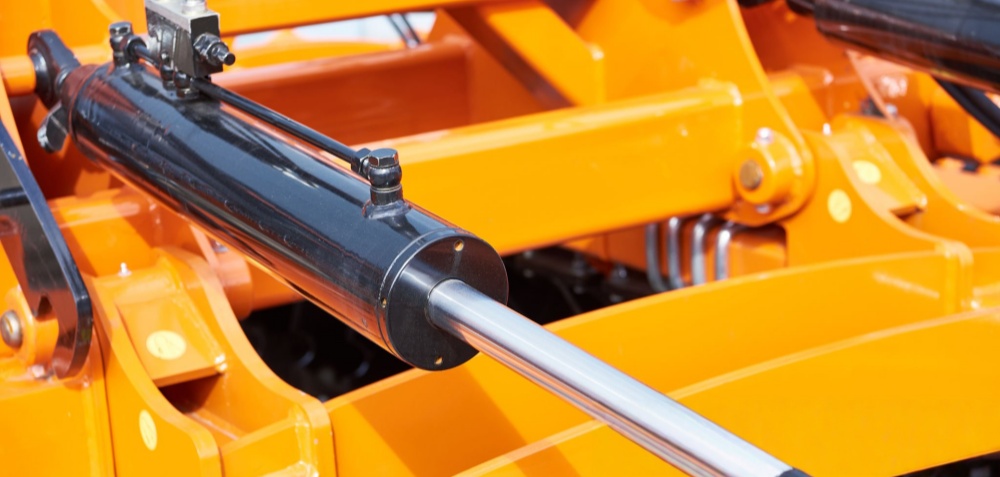
Swept Volume vs. Total Cylinder Volume
Swept Volume
Think of this as the space the piston actually travels—no sightseeing, just straight to business. It’s the working area moving fluid every stroke.
Total Cylinder Volume
This is everything inside, including all those hard-to-reach corners. It’s the maximum amount the cylinder can hold, piston included.
The Bottom Line?
Swept volume tells you what’s doing the work. Total cylinder volume tells you the absolute limit. Mix them up, and your hydraulic system could get a surprise it doesn’t want!
Total Volume = Swept Volume + Combustion Chamber Volume
Conclusion
Accurate hydraulic cylinder displacement calculations are the foundation of a reliable and efficient hydraulic system. By applying the correct displacement formula and understanding the impact of swept versus total cylinder volume, you can ensure that your equipment runs smoothly—minimizing downtime, optimizing performance, and preventing costly mistakes. Whether you’re designing a new system or maintaining existing machinery, always prioritize precise displacement measurements for dependable results. Need expert advice or custom cylinder solutions? Contact our team today to get the perfect fit for your application.