Introduction
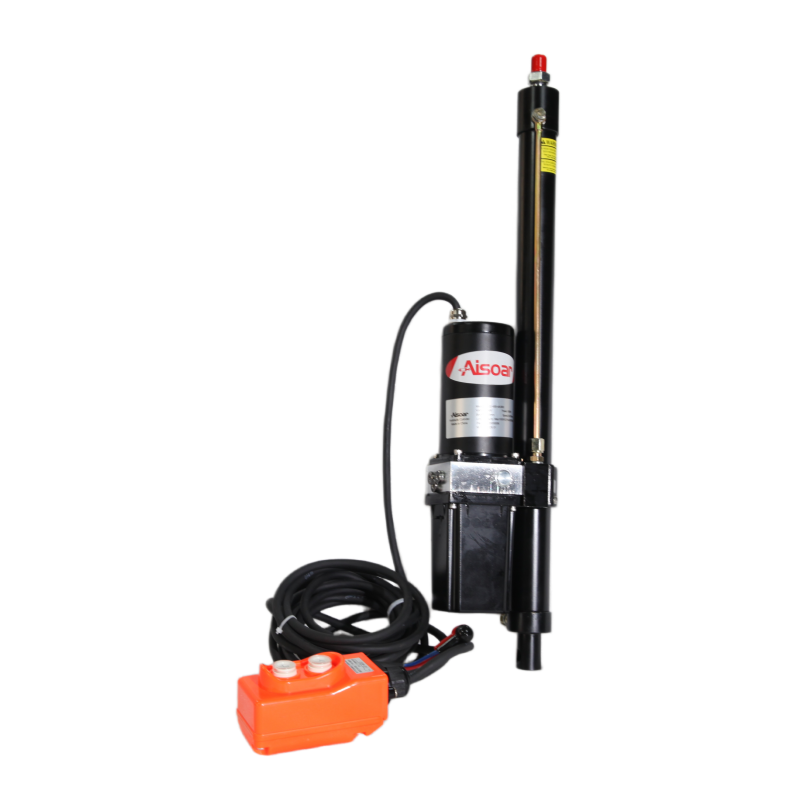
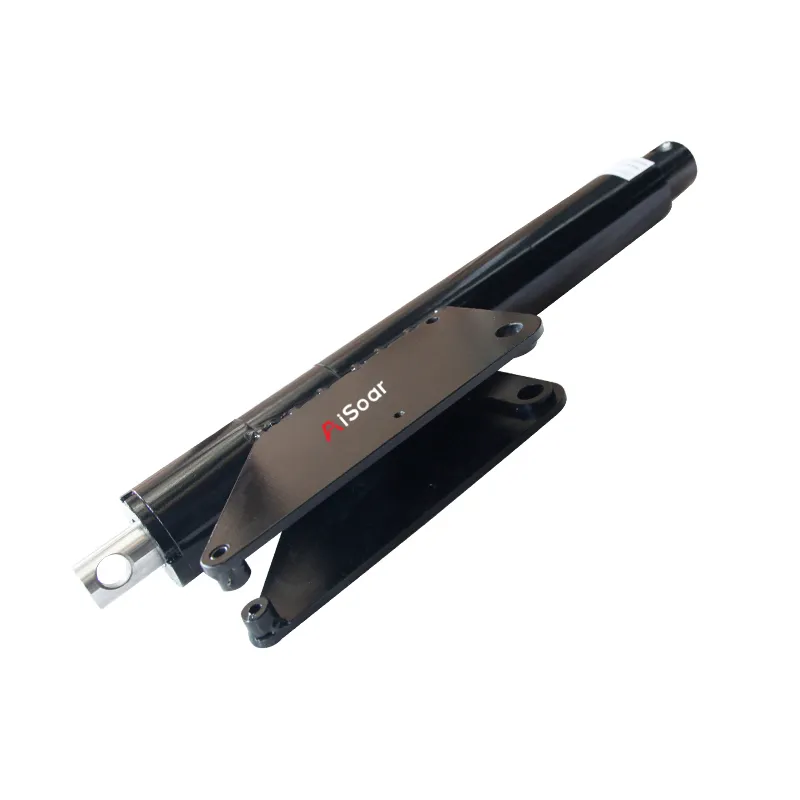
Tail lifts (tailgates) are essential equipment in logistics, delivery trucks, and warehouse transportation. Traditionally, these systems rely on hydraulic power units and hydraulic cylinders to lift heavy loads safely and reliably.
However, with the rise of electrification in commercial vehicles, electric linear actuators (also known as electric push rods) are increasingly being considered as an alternative.
This raises an important question:
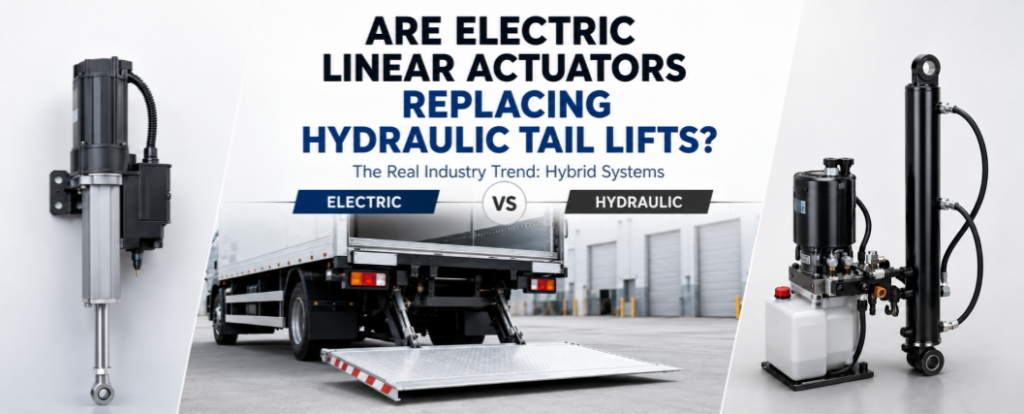
Are electric linear actuators really replacing hydraulic tail lifts?
The short answer is: not yet—and probably not for heavy-duty applications anytime soon.
How Traditional Hydraulic Tail Lifts Work
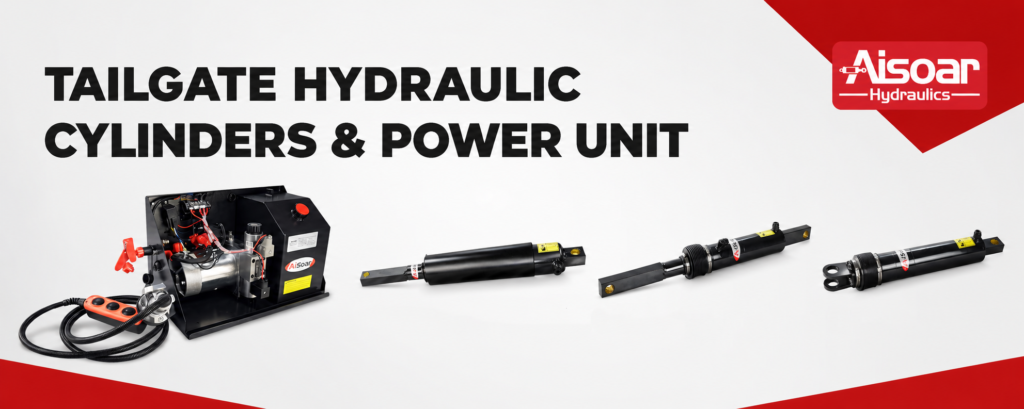
Most tail lift systems are based on a hydraulic system consisting of:
- Hydraulic Power Unit
- Hydraulic Cylinder
- Control valves and electrical switches
Working principle:
- Motor drives hydraulic pump
- Oil is pressurized
- Hydraulic cylinder extends to lift platform
- Controlled valve regulates lowering speed
Key advantages:
- Very high load capacity (1000–3000+ kg)
- Smooth and stable motion
- Excellent shock resistance
- Proven long-term durability
What Are Electric Linear Actuators?
Electric linear actuators convert electrical energy directly into mechanical motion using:
- DC motor (12V / 24V / 48V)
- Gear system
- Lead screw or ball screw
Working principle:
- Motor rotates screw
- Nut moves linearly
- Push rod extends or retracts platform
They are often called:
- Electric push rods
- Electric cylinders
- Linear actuators
Key Differences: Hydraulic vs Electric Tail Lift Systems
| Feature | Hydraulic Tail Lift | Electric Linear Actuator |
|---|---|---|
| Load capacity | Very high | Medium to low |
| Shock resistance | Excellent | Moderate |
| Duty cycle | Heavy-duty continuous | Limited duty cycle |
| Control precision | Good | Very good |
| Maintenance | Oil & seals | Mechanical wear |
| Cost efficiency | Best for heavy loads | Better for light loads |
Are Electric Actuators Replacing Hydraulic Systems?
In heavy-duty tail lifts: NO
Hydraulic systems still dominate because:
- They handle high loads safely
- They perform well under harsh working conditions
- They are more durable in continuous cycles
⚠️ Where electric actuators ARE replacing hydraulics:
Electric linear actuators are gaining share in:
- Light-duty tail lifts (<500–800 kg)
- Electric delivery vans
- RV and mobile platforms
- Small logistics vehicles
- Urban low-emission transport systems
Why Hydraulics Still Win in Most Tail Lifts
Even with electrification trends, hydraulics remain dominant because:
Power density advantage: Hydraulic systems deliver far more force in compact size.
Better overload protection:Hydraulic oil naturally absorbs shock loads.
Long service life:Designed for thousands of high-load cycles.
Industry standard compatibility:Most commercial truck platforms are designed around hydraulics.
The Real Industry Trend: Hybrid Systems
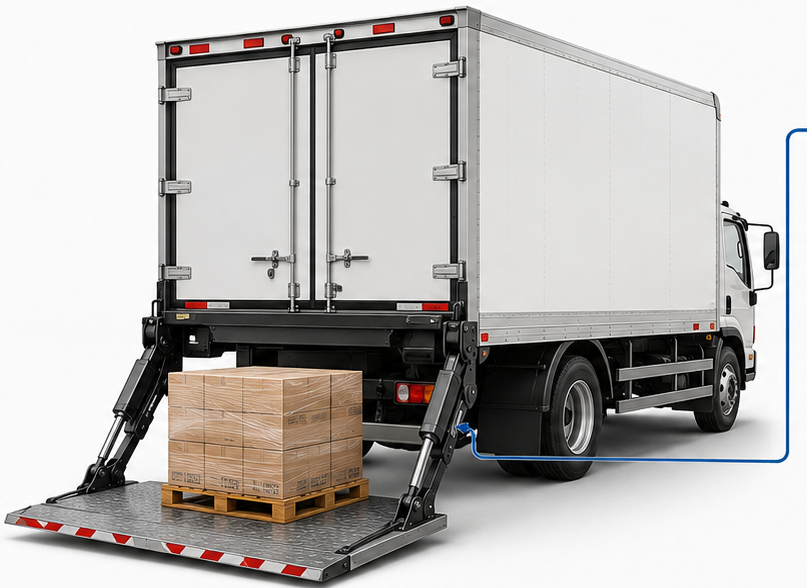
Instead of full replacement, the industry is moving toward:
Electrified hydraulic systems
Examples:
- Electric motor + hydraulic pump (DC power units)
- Smart control valves with electronic feedback
- Battery-powered tail lift systems
This approach combines:
- Electric control efficiency
- Hydraulic power strength
Future Outlook
In the next 5–10 years:
- Electric actuators will grow in light commercial vehicles
- Hydraulics will remain dominant in medium and heavy-duty logistics
- Hybrid electro-hydraulic systems will become the mainstream transition solution
Conclusion
Electric linear actuators are not replacing hydraulic tail lifts, but they are:
- Expanding into light-duty applications
- Driving electrification trends in logistics
- Pushing innovation in hybrid hydraulic systems
For heavy-duty lifting, hydraulics remain the most reliable and efficient solution.