What is Hydraulic Oil?
Hydraulic oil, often referred to as hydraulic fluid, is an essential component in hydraulic systems, enabling the transfer of energy throughout the system. But what is hydraulic fluid exactly? At its core, hydraulic fluid is a medium used to transmit power, lubricate moving parts, and dissipate heat within hydraulic systems. The fluid operates under pressure to move a piston or actuator, performing work in machinery ranging from industrial presses to construction equipment and agricultural tractors.
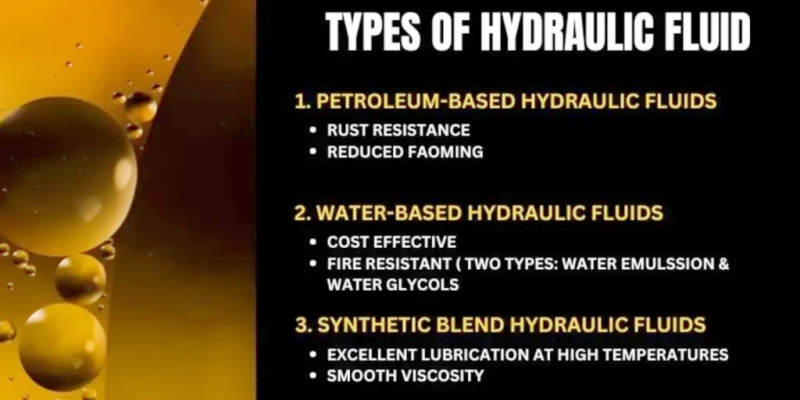
There are several types of hydraulic fluid available, each designed for specific operating conditions and system requirements. Although “hydraulic oil” is often used interchangeably with “hydraulic fluid,” the latter may include water-based or synthetic fluids in addition to mineral-based oils. The properties of hydraulic fluids—viscosity, stability, lubricity—hugely impact the system’s efficiency, safety, and lifespan. Understanding what is hydraulic fluid and recognizing the differences among various formulations is essential for maintaining reliable system performance.
Hydraulic fluid categories by base oil type
Hydraulic fluids can be classified according to their base oil types, which determine key performance characteristics. The most common categories include:
Mineral Oil-Based Hydraulic Fluids
These fluids, derived from refined petroleum, are widely used in industrial machinery thanks to their excellent lubrication properties, chemical stability, and affordability. Mineral oil-based hydraulic fluids offer good compatibility with most sealing materials and deliver consistent performance in standard temperature ranges.

Synthetic Hydraulic Fluids
Formulated from chemical compounds such as polyalphaolefin (PAO), phosphate esters, or silicone-based formulations, synthetic hydraulic fluids are prized for their thermal stability, oxidation resistance, and biodegradability. These fluids typically function well in extreme temperature or high-load environments, including aerospace and advanced manufacturing.
Water-Based Hydraulic Fluids
Comprising water-glycol mixtures or emulsions, water-based hydraulic fluids are chosen for fire-resistance in hazardous environments. While they offer excellent safety, they may have lower lubricative qualities compared to oils and can be sensitive to freezing or microbial growth.
Each type of hydraulic fluid addresses specific needs, such as environmental safety, operational temperature, or equipment load requirements. Understanding the base oil category is crucial when selecting the best fluid for your machinery.
Biodegradable and Vegetable-Based Hydraulic Fluids
Made from renewable vegetable oils or synthetically derived biodegradable oils, these fluids are environmentally friendly and comply with stringent environmental protection requirements. They are ideal for agriculture, forestry, and mining operations where oil leaks might impact soil or water sources.
Fire-Resistant Hydraulic Fluids
Beyond water-based fluids, fire-resistant types also include synthetic phosphate esters and polyol esters. These fluids are specifically engineered for high-risk environments where fluid ignition could cause catastrophic damage.
Specialized Hydraulic Fluids
These include low-temperature hydraulic fluids, high viscosity index fluids, food-grade/NSF-approved fluids for food-processing machinery, and anti-wear hydraulic fluids containing advanced additive packages for heavy-duty or shock-loaded equipment.
Each type of hydraulic fluid addresses different needs—from environmental protection and fire safety to extreme temperature operation and lubrication performance. Carefully selecting the right fluid category for your application is critical to optimizing system reliability, minimizing downtime, and complying with regulatory requirements.
What are the key properties to consider when choosing a hydraulic oil?
The effectiveness of hydraulic fluid depends on several key properties and characteristics, each influencing system performance and reliability:
Lubricity
High lubricity reduces friction between moving parts, protecting them from wear. This improves efficiency and decreases the likelihood of premature component failure.
Thermal Stability
Quality hydraulic fluids resist breakdown at high temperatures, preventing sludge and varnish formation. Good thermal stability ensures a clean, contaminant-free system, lowering maintenance costs.
Oxidation Resistance
Exposure to oxygen can degrade hydraulic fluid over time. Anti-oxidation additives lengthen fluid life, helping the system run smoothly for longer periods before requiring replacement.
Demulsibility
The ability to separate from water is vital for keeping hydraulic fluids free of contamination. Excellent demulsibility prevents emulsification, reducing corrosion and damage.
Anti-Foaming
Foam in hydraulic systems can lead to erratic motion and lower efficiency. Hydraulic fluids with anti-foam additives maintain smooth, reliable system operation.
Viscosity Index
A high viscosity index means the fluid maintains consistent thickness despite temperature changes. This consistency improves precision in control systems across varied operating conditions.
Understanding these properties helps users make informed decisions when selecting hydraulic fluids, optimizing performance and protecting equipment.
Conclusion
Selecting the appropriate hydraulic fluid type ensures equipment longevity, system safety, and efficient operation. By understanding what is hydraulic fluid and carefully evaluating fluid categories, properties, and operational considerations, buyers can enhance machinery reliability. Make informed choices to protect your investment and keep operations running smoothly—choose the right hydraulic fluid for your needs.