
Hydraulic cylinders are integral components in the world of heavy machinery, powering everything from construction equipment to mining apparatus. Their ability to generate immense force and precise motion makes them indispensable in these demanding applications. In this blog, we will explore the critical role of hydraulic cylinders in heavy machinery, discussing their functions, benefits, and the various types utilized across different industries.
Understanding Hydraulic Cylinders
Hydraulic cylinders convert fluid power into linear mechanical force and motion. They consist of a cylinder barrel, a piston, and a piston rod. Pressurized hydraulic fluid is introduced into the cylinder, creating a force on the piston, which in turn moves the piston rod. This movement can be used to lift, push, pull, or hold heavy loads, making hydraulic cylinders essential in heavy machinery operations.
Key Functions of Hydraulic Cylinders in Heavy Machinery
Tilting and Rotating: Many heavy machines require tilting or rotating motions to perform their tasks. Hydraulic cylinders enable these movements with precision. For example, in garbage trucks, hydraulic cylinders are used to tilt and empty the truck’s container. In forklifts, they control the tilt and lift of the forks, allowing for efficient loading and unloading of materials.
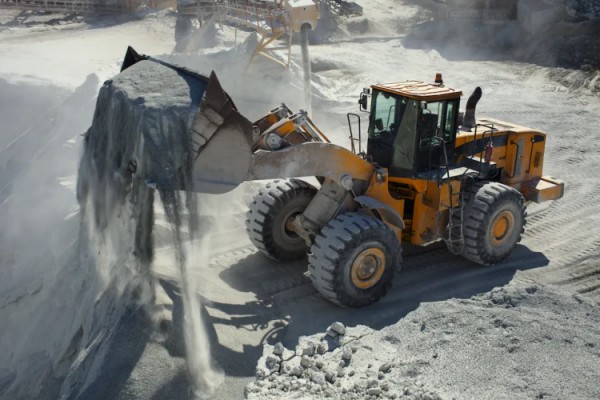
Lifting and Lowering Loads: Hydraulic cylinders are widely used in heavy machinery to lift and lower loads. In construction equipment such as excavators, bulldozers, and cranes, hydraulic cylinders provide the necessary force to handle substantial weights with precision and control. For instance, the boom and arm movements of an excavator are powered by hydraulic cylinders, enabling it to dig and lift heavy materials efficiently.
Benefits of Hydraulic Cylinders in Heavy Machinery
- High Power Density: Hydraulic cylinders can generate substantial force from a compact design, making them ideal for heavy machinery where space is often limited.
- Precision and Control: Hydraulic systems offer precise control over force and movement, allowing for smooth and accurate operation of heavy machinery.
- Durability and Reliability: Designed to withstand harsh conditions, hydraulic cylinders are built from robust materials, ensuring long-lasting performance even in the most demanding environments.
- Versatility: Hydraulic cylinders are versatile and can be customized to suit specific applications. This adaptability makes them suitable for a wide range of heavy machinery across various industries.
Types of Hydraulic Cylinders Used in Heavy Machinery
- Single-Acting Cylinders: These cylinders apply force in one direction only, typically used in applications where the load is returned by gravity or an external force. They are common in lifting equipment and some types of presses.
- Double-Acting Cylinders: These cylinders can apply force in both directions, making them suitable for tasks requiring pushing and pulling. They are widely used in construction and mining equipment.
- Telescopic Cylinders: These multi-stage cylinders provide an extended reach from a compact initial size, making them ideal for applications where space is limited but a long stroke is needed. They are commonly used in dump trucks and cranes.
- Rotary Actuators: While not traditional cylinders, rotary actuators use hydraulic pressure to produce rotational motion and are essential in applications like steering and rotating machinery parts.
Conclusion
Hydraulic cylinders are the backbone of heavy machinery, providing the muscle and precision needed to perform a wide range of tasks. Their ability to lift, push, pull, tilt, and stabilize makes them indispensable in industries such as construction, mining, agriculture, and material handling. Understanding the role of hydraulic cylinders and the benefits they offer can help operators and engineers optimize their use, ensuring efficiency, safety, and longevity of the machinery.