Leaks, pressure loss, and sluggish performance expose costly damage—hydraulic seal failure leads to urgent downtime and expensive repairs, but proactive maintenance and precision solutions restore lasting reliability.
Hydraulic seals are critical components that prevent fluid leaks and maintain system pressure. When the seal is damaged, operations can fail. Understanding why seals fail, spotting warning signs, and applying the right fixes keeps your equipment running smoothly.
A faulty seal can cripple an entire system—read on to learn the warning signs, causes, and expert cures that will keep your hydraulic equipment performing at its best.
The Signs of A Broken Seal
Detecting a damaged seal early can save considerable costs and prevent larger, system-wide failures. Here’s how to recognize when a hydraulic seal is compromised:
1. Fluid Leakage
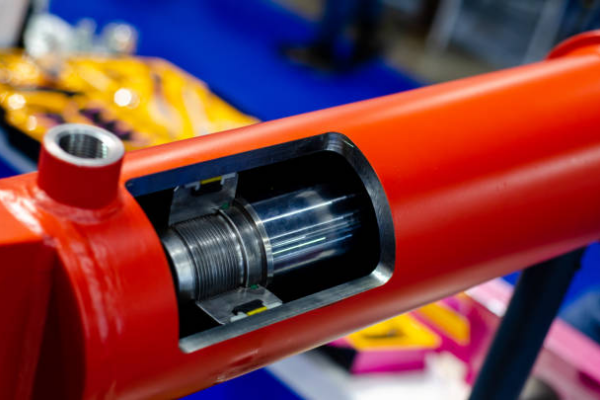
One of the most obvious signs the seal is damaged is visible oil or fluid leaking from the hydraulic cylinder. This often pools around the rod or base, signalling the internal barriers are no longer effective.
2.System Pressure Loss
If your machinery experiences reduced force or sluggish operation, it may stem from pressure escaping through a damaged seal. Fluctuating performance and inefficiency hint at hidden internal leaks.
3. Seal Creep
This describes the slow, unwanted movement of the seal material under sustained pressure, causing the seal to lose its shape and effectiveness over time.
4. Contamination:
Damaged seals often allow dirt, water, or metal shavings to enter the hydraulic system, contaminating fluid, which results in abrasive wear and further system damage.
5. Unusual Noises and Overheating
Hissing sounds, sudden spikes in temperature, or grinding can be linked to seal damage or internal friction resulting from improper sealing.
Identifying these symptoms promptly enables timely maintenance before the equipment faces catastrophic breakdown. Regular inspection and monitoring can also help pick up on early warning signs before they escalate to severe damage.
The Causes of Broken Seals
Understanding what caused seals facial scarring or rupture is key to preventing expensive downtime and repair bills. Here are the primary factors behind seal damage:
- Improper Installation: Incorrect fitting or alignment can lead to immediate or premature damage seal issues. Tightening a seal too much or using the wrong tools can create scratches or distortions, causing leaks.
- Incorrect Material Selection: Not all seals are created equal. If a seal material isn’t compatible with the hydraulic fluids, operating temperature, or pressure ranges, it will deteriorate quickly. For example, using standard nitrile seals in a high-temperature environment leads to swelling and cracks.
- Seal Creep and Extrusion: When exposed to excessive or pulsating pressure, seals may deform or extrude into clearances, a phenomenon known as seal creep. Over time, this weakens the seal’s structure and leads to premature failure.
- Contamination: Fine particulate, metal fragments, or water inside the hydraulic fluid attacks seals, causing seal facial scarring, pitting, and rapid wear. Contaminants can enter due to improper maintenance or previously damaged seals.
- Aging and Natural Wear: Even the best-engineered seals have a limited lifespan. Continuous movement, high cycle rates, and exposure to harsh chemicals or UV light naturally degrade seal compounds over time.
- System Misalignment and Hardware Damage: If the cylinder rod, gland, or housing are misaligned, the seal can be pinched, cut, or abraded during operation. Hardware wear—such as a scored cylinder rod—can accelerate seal failure.
By addressing these root causes through proper installation, maintenance, and component matching, you can significantly extend seal and system life.
How to Fix a Broken Seal
When a damaged seal is detected, rapid and thorough repair actions are essential to restore system integrity and prevent further losses. Here’s a step-by-step approach:
Identify and Isolate the Cylinder
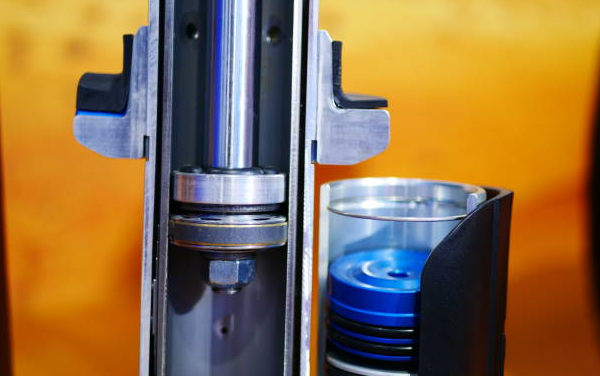
Shutdown the hydraulic system and relieve all pressurized fluid to ensure safety. Remove the cylinder from equipment if needed.
Inspect and Diagnose
Check the cylinder visually and measure clearances. Determine if the seal is damaged or if symptoms point to deeper issues, such as rod scoring or misalignment. Look for signs of seal creep, extrusion, and seal facial scarring.
Remove the Cylinder Head and Gland
Use the manufacturer’s guidelines for disassembly. Take care not to scratch or gouge the sealing surfaces.
Remove and Examine the Seals
Pull out all the seal rings, wipers, and O-rings. Compare the removed seals to new ones—look for flattening, tears, chemical swelling, hardening, or evidence of contamination.
Clean and Prepare
Carefully clean all surfaces. Use lint-free rags and appropriate cleaning agents to remove all debris, oil, and dirt to prevent new contaminants from entering.
Select the Correct Seals
Consult with the equipment’s technical documentation to choose seals made of the right materials—such as polyurethane, PTFE, or nitrile rubber—ideal for your application’s specific pressures, temperatures, and fluids.
Install New Seals
Soap solutions or compatible lubricants can help slide seals into place. Ensure the seals are aligned and seated properly to avoid twisted or pinched installations that can damage seal surfaces and lead to leaks.
Reassemble and Test
Rebuild the cylinder, mount it back, and slowly pressurize the system to check for leaks or improper operation. It’s important to perform a function test through several cycles to confirm the solution.
Implement Preventive Maintenance
Keep a regular inspection and replacement schedule. Monitoring for early signs of seal damage or seal creep will help prevent future failures. Consider upgrading gland designs or using advanced engineered seals for extreme working conditions or to cope with difficult contaminants.
Timely fixes and correct seal selection not only restore your system but also cut down on future repair costs, minimizing downtime and production losses.
Conclusion
Hydraulic seal damage is a common yet avertable threat. By spotting early warning signs, understanding what causes seals facial scarring and creep, and applying precise fixes, your equipment’s reliability, safety, and efficiency are upheld. Consider working with experienced professionals and high-quality suppliers to get the most from your hydraulic systems and avoid costly surprises.