
Introduction
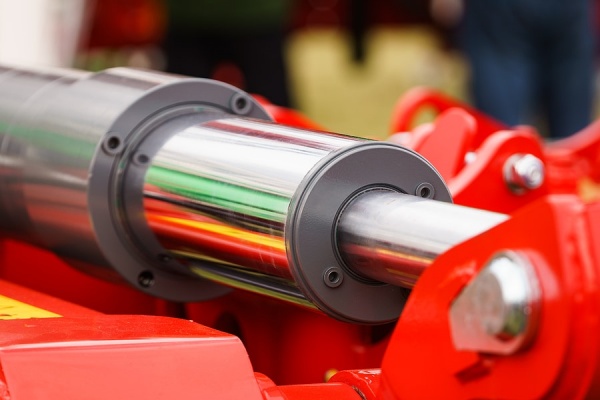 Rebuilding a hydraulic cylinder is a critical maintenance task aimed at restoring its performance and extending its service life. The process involves disassembling the cylinder, inspecting components for wear or damage, and replacing seals, rods, or other faulty parts. Precision is essential to ensure proper reassembly and to maintain optimal pressure containment. Cleaning all components thoroughly helps avoid contamination that could impair functionality. Rebuilding also provides an opportunity to upgrade materials for enhanced durability. Regular maintenance schedules can help identify cylinders in need of rebuilding before failures occur, minimizing downtime and repair costs.
Typical signs cylinder requires repacking
| Symptom | Possible Cause |
| Oil Leakage | Worn or faulty seals, damaged rod surfaces |
| Slow or Unstable Movement | Contaminated hydraulic fluid, bent rod, worn rings |
| Abnormal Sounds/Vibration | Internal scoring, misaligned parts |
| Irregular Cylinder Actions | Air in system, damaged internal seals |
Safety Precautions Before Hydraulic Cylinder Repair
Before launching into the repair process, always follow these essential safety steps:
Depressurize the System: Fully release hydraulic pressure and isolate the power supply.
Prepare Your Work Area: Clean and organize the space to prevent contamination and accidents.
Use Proper PPE: Safety gloves, goggles, and protective clothing help prevent injury.
Tool Readiness: Prepare wrenches, seal kits, cleaning agents, and lubricants.
During preparation to repack a cylinder, make sure that:
- The rod is straight
- The inside of the barrel surfaces display proper cross-hatching
- There are no scars or gouging
- The chrome plating on the rod is undamaged. If there is a slight nick, make sure there are no raised burrs.
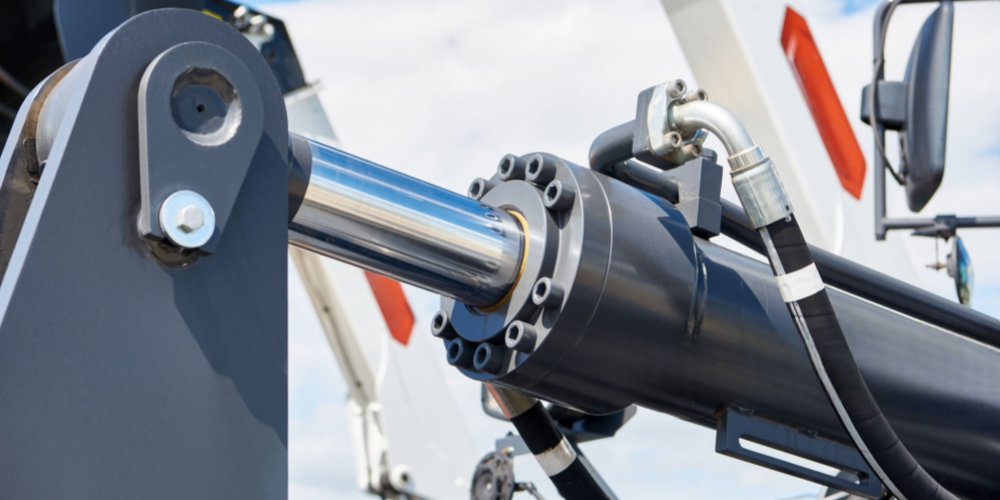
Step-by-Step Hydraulic Cylinder Repair Procedure
1. Disassembly
Release System Pressure: Move the control lever repeatedly to evacuate pressure.
Disconnect hydraulic lines and safely drain remaining fluid.
Remove cylinder from equipment; unscrew end caps or retaining rings.
Extract piston, rod, seals, and internal components, organizing for reassembly.
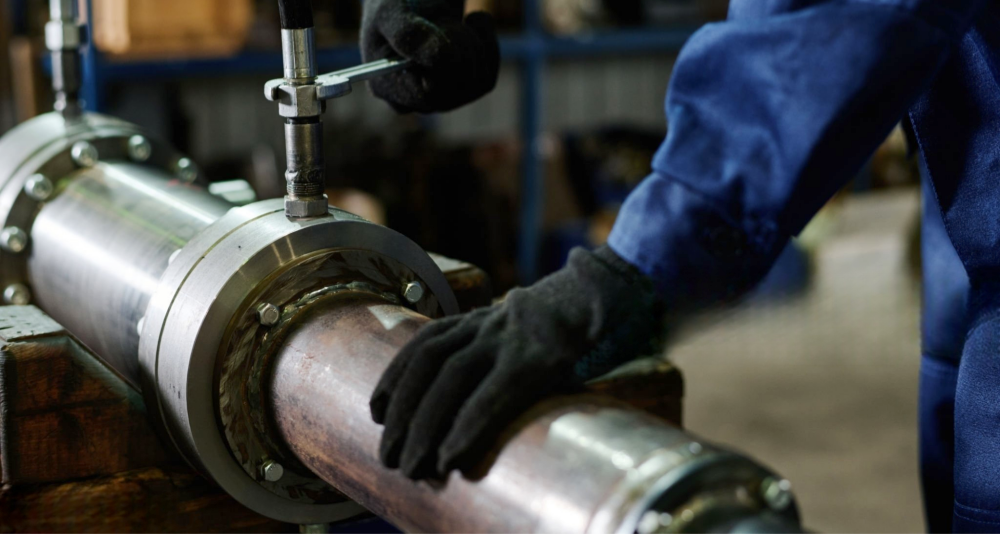
2. Inspection & Cleaning
Inspect all parts—especially piston, rod, barrel, seals—for wear, scoring, cracks.
Clean all components thoroughly to avoid contamination.
3. Seal & Component Replacement
Replace all worn seals, O-rings, gaskets (hydraulic cylinder seal replacement).
If the piston, rod, or barrel displays excessive wear, consider replacement—using upgraded materials for enhanced durability.
4. Reassembly
Lubricate all new seals and components.
Reassemble in original order, tightening bolts securely.
Note: Secure the rod to the piston per manufacturer’s specifications—possible methods include threaded rods, nuts, or bolts.
5. Testing and Safety Checks
Reinstall the cylinder to the machine.
Gradually re-pressurize the hydraulic system and carefully check for leaks, abnormal noises or malfunctions.
Test the cylinder through full extension and retraction cycles to confirm smooth, safe operation.
| Key Actions | Important Checks | Important Checks |
| Disassembly | Remove, Extract Parts | No damage during extraction |
| Inspection | Examine, Clean | No scoring, corrosion |
| Replacement | Install new seals & parts | Use correct specs/materials |
| Reassembly | Insert, Tighten | Proper order, secure fit |
| Testing | Pressurize, Cycle | Check for leaks/smooth action |
Note: When repacking a hydraulic cylinder, the method of securing the rod to the piston varies. Some cylinders use a threaded rod with the piston directly attached; others use a nut, or a nut and bolt for additional security. Always follow the manufacturer’s assembly guidelines for best performance and safety.
Troubleshooting Tips
- Persistent leaks? Check seal installation and rod finish.
- Weak power or slow movement? Check for hydraulic flow restriction or damaged piston.
- Noisy operation? Confirm alignment and lubrication.
- Cylinder won’t move? Verify absence of air pockets, pressure adequacy, correct reassembly.
Functional Test: Validating Your Hydraulic Cylinder Repair
After refitting or repacking, always perform a hydraulic cylinder function test for safety and performance:
- Use a cylinder action tester or perform an end-of-stroke bypass test—fill with oil, fully extend, and watch for leaks.
- Only reinstall into active service after passing all checks.
Frequently Asked Questions (FAQ)
Q1: How often should hydraulic cylinders be rebuilt or repacked?
A: For industrial machines, regular seal replacement is recommended every 2,000–5,000 operating hours depending on usage and environment.
Q2: Can I upgrade seals or materials during rebuild?
A: Yes, upgrading to advanced sealing materials (e.g., Viton®) or treated rods can significantly extend service intervals and resist harsh fluids.
Q3: What are the risks of ignoring early symptoms?
A: Neglecting leaks or slow performance can cause catastrophic equipment failure, contamination, and unplanned downtime.