
Introduction
Preventing air from entering hydraulic systems is vital for maintaining efficiency and avoiding performance issues. Regularly inspect seals, fittings, and hoses for wear or damage to ensure airtight connections. Always fill the system with clean hydraulic fluid, avoiding turbulence that can introduce air. Properly bleed the system during maintenance or repairs to eliminate trapped air. Ensure reservoirs are adequately filled to prevent air from being drawn into the pump. Use high-quality components designed for the system’s operating conditions. Implementing these preventive measures reduces cavitation risks, ensures consistent performance, and prolongs the lifespan of the hydraulic system.
To ensure the proper functioning and longevity of a hydraulic system, it is essential to prevent air from entering the circuit. The following preventive measures can be applied:
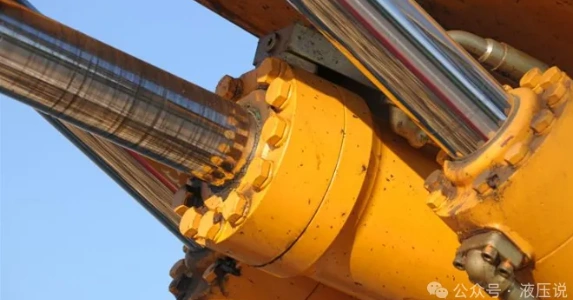
1. Regular Oil Level Inspection: It is crucial to monitor the oil level in the reservoir regularly. A low oil level can cause cavitation and allow air to enter the system. Maintaining the reservoir at the recommended levels ensures proper pressurization and prevents performance issues.
2. Seal Maintenance: Seals, such as O-rings and gaskets, are critical for maintaining the hydraulic system’s integrity. Regular inspections are necessary, and seals should be replaced immediately if signs of wear, cracking, or hardening are observed. Faulty seals can allow air ingress and cause oil leaks, affecting system efficiency.
3.Hydraulic Pump Care: The hydraulic pump is the heart of the system. Regular cleaning of the pump filters is necessary to avoid dirt or particles that can obstruct oil flow and cause premature wear. Additionally, checking the pump’s tightness and ensuring correct component alignment can prevent air and oil leaks.
4. Accumulator Pressure Control: If the hydraulic system includes an accumulator, it is important to periodically check the gas pressure (such as nitrogen) inside it. Incorrect pressure can compromise the system’s ability to maintain pressure, allowing air ingress. Ensuring the accumulator operates within specified parameters will extend the system’s lifespan.
5. Adherence to Operating Standards: During installation, maintenance, or repair of the hydraulic system, strictly following operational procedures is essential. A common mistake is leaving connections loose or working in contaminated environments, which facilitates air ingress. Therefore, following best practices and using appropriate tools is crucial to avoid future problems.
6. External Contamination Prevention: The work environment should be kept as clean as possible during maintenance and oil refilling. The entry of dust, dirt, or other contaminants can cause problems such as component corrosion and reduced system efficiency. Additionally, using high-quality filters on oil supply lines is recommended to minimize contamination.
Implementing these preventive measures not only helps prevent air ingress into the system but also extends equipment lifespan, reduces the risk of breakdowns, and ensures optimal and safe operation of the entire hydraulic system.
If you need more information or have questions about the feasibility of rebuilding welded hydraulic cylinders, do not hesitate to contact our team of experts. Reach us via email at [email protected] or contact us directly.