
Introduction
Rebuilding a welded hydraulic cylinder is possible, though it requires specialized tools and expertise. Unlike tie-rod cylinders, welded cylinders lack easily removable components, making disassembly more complex. The process typically involves cutting the welds, replacing worn parts such as seals, rods, or pistons, and rewelding the assembly with precision. Skilled technicians ensure the cylinder’s structural integrity and functionality are restored. Proper rebuilding can extend the cylinder’s service life and reduce costs compared to full replacement. However, evaluating the cylinder’s condition beforehand is crucial to determine if rebuilding is the most viable option.
Hydraulic cylinders are essential components in a wide range of industrial equipment and heavy machinery, from excavators and cranes to lifting platforms and agricultural machinery. However, when it comes to welded hydraulic cylinders, a common question arises: is it possible to rebuild or repair such a cylinder instead of replacing it? The answer is yes, in many cases, welded hydraulic cylinders can be repaired or rebuilt, which can offer significant cost savings and extend the equipment’s lifespan.
What is a welded hydraulic cylinder?
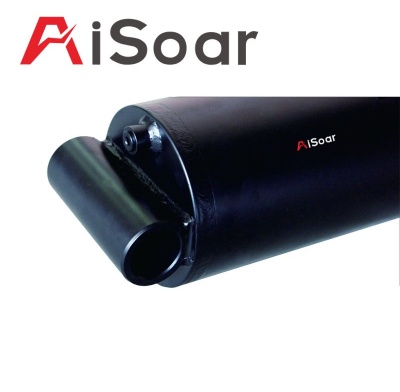
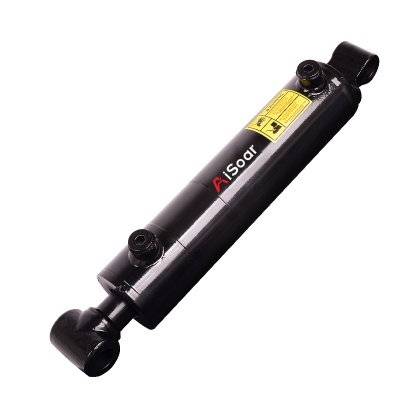
A welded hydraulic cylinder is a type of linear actuator that converts hydraulic energy into mechanical movement. The main feature distinguishing welded cylinders from other types, such as tie-rod cylinders, is their sealed construction, where the cylinder ends are permanently welded. This welded structure allows for a compact and durable design, making them ideal for applications where space is limited or greater robustness is required.
However, the welded construction also means that, unlike tie-rod cylinders, they cannot be easily disassembled for repair, which at first glance may make them seem less likely to be rebuilt.
When is it advisable to rebuild a welded hydraulic cylinder?
Rebuilding a welded hydraulic cylinder can be a viable and cost-effective option under certain circumstances, such as:
Seal wear: Hydraulic seals are designed to prevent oil leaks and maintain internal pressure, but over time they deteriorate due to natural wear, fluid contamination, or extreme working conditions. If the seals are worn, it is likely that the internal pressure of the cylinder will decrease, causing leaks.
Piston rod scratches: The piston rod can suffer damage like scratches or dents due to exposure to abrasive materials, impacts, or corrosion. If not repaired in time, these imperfections can affect the cylinder’s performance and lead to more severe damage.
Cylinder tube deformation or wear: With continuous use, the tube housing the piston may become deformed or worn, affecting the proper functioning of the cylinder.
High replacement costs: In some cases, the cost of a new cylinder can be high, and rebuilding becomes a more economical option if most components are in good condition.
When is rebuilding not recommended?
Despite its advantages, there are situations where rebuilding a welded hydraulic cylinder may not be the best option:
Severe structural damage: If the cylinder has suffered severe structural damage, such as fractures or significant deformation of the tube or rod, rebuilding may not be feasible.
Advanced corrosion: Extreme corrosion of internal components may make rebuilding impractical or dangerous, as it could compromise the cylinder’s integrity.
Recurring problems: If the cylinder has failed multiple times within a short period, it may indicate an inadequate design or excessively harsh working conditions for that particular model.
Rebuilding process of a welded hydraulic cylinder
Although welded hydraulic cylinders are designed to be compact and durable, they can be repaired if a proper process is followed. Below are the main steps for rebuilding:
Evaluation and diagnosis. The first step is to inspect the cylinder and perform a detailed diagnosis to determine the extent of the damage. This includes checking the rod’s surface, the seals’ condition, and any potential deformation or damage to the tube. This evaluation is crucial to determining if rebuilding is viable and which components need repair or replacement.
Cylinder disassembly. Since welded cylinders cannot be disassembled in the traditional way, it is necessary to cut the weld that joins the cylinder caps. This is a delicate step that must be performed by a skilled technician using appropriate tools, such as plasma cutters or welding torches, to avoid damaging the internal components.
Component replacement Once the cylinder has been disassembled, the damaged components must be replaced. This may include the rod, seals, bearings, and in some cases, the cylinder tube. Using high-quality replacement parts is essential to ensure a long-lasting repair.
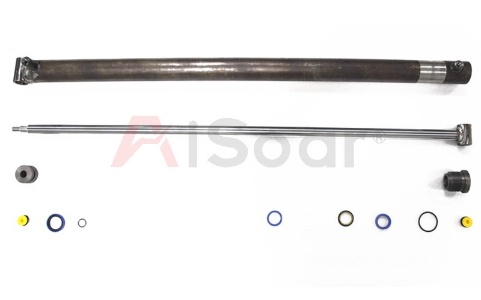
Cleaning and preparation. Before reassembling the cylinder, all components must be thoroughly cleaned to remove any contaminants that may have entered during disassembly. It is also recommended to inspect the internal passages and valves to ensure there are no obstructions.
Reassembly and welding. After replacing the damaged components and verifying that everything is in optimal condition, the cylinder is reassembled. The caps must be welded back together with precision to ensure the cylinder is airtight. High-quality welding is crucial to prevent leaks and ensure the cylinder’s structural integrity.
Functional testing. Once rebuilt, the cylinder must be subjected to pressure and performance tests to ensure it works correctly under the expected working conditions. Any leaks or anomalies must be corrected before the cylinder is installed back into the equipment.
Benefits of rebuilding welded hydraulic cylinders
Cost savings: Rebuilding is often more cost-effective than purchasing a new cylinder, especially if the damage is minor or the cylinder is an expensive model.
Reduced downtime: Instead of waiting for a new cylinder to arrive, rebuilding can be a faster option, minimizing equipment downtime.
Sustainability: By repairing a cylinder instead of discarding it, waste is reduced, and a more efficient use of resources is promoted.
Conclusion
Rebuilding a welded hydraulic cylinder is a technical process that can offer significant benefits in terms of cost and operational efficiency. However, it is crucial that it is performed by professionals with the experience and proper equipment to ensure the cylinder operates safely and efficiently. When done correctly, rebuilding can significantly extend the cylinder’s lifespan and optimize the machinery’s performance.
If you need more information or have questions about the feasibility of rebuilding welded hydraulic cylinders, do not hesitate to contact our team of experts. Reach us via email at [email protected] or contact us directly.