
Introduction
Hydraulic Systems: How to Completely Remove Air from a Hydraulic System?
Removing air from a hydraulic system is critical for optimal performance and safety. Begin by venting the system using dedicated bleed valves or fittings, ensuring all trapped air escapes. Operate the hydraulic actuators through their full range of motion to dislodge air bubbles from internal components. Maintain a steady flow of hydraulic fluid during this process to prevent new air ingress. Monitor the fluid level in the reservoir to avoid low levels that could reintroduce air. Employ proper filtration to eliminate contaminants that might exacerbate air retention. Finally, verify the system’s pressure stability to ensure air removal is complete, restoring efficient and reliable operation.
Hydraulic systems are widely used in industrial equipment and machinery due to their efficiency and reliability, making them ideal for heavy-duty tasks. However, air contamination in a hydraulic system can lead to reduced performance, unstable operations, and even equipment damage. Knowing how to properly vent a hydraulic system is crucial to ensure it functions smoothly.
1. Sources of Air in a Hydraulic System
1. Hydraulic Oil Leaks
One of the most common ways air enters a hydraulic system is through oil leaks. When hoses, connectors, or seals experience small leaks, air can seep into the system. For example, in hydraulic excavators, worn-out cylinder seals allow air to be sucked in along with leaking oil, causing erratic cylinder movements, which can reduce the machine’s efficiency.
2. Poor Connections
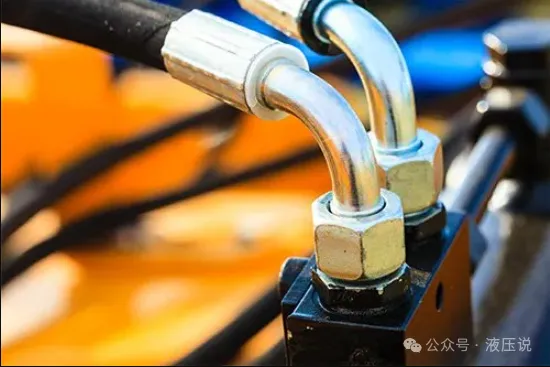
Loose connections between cylinders and pipes are another major cause of air entry, especially when the system starts or stops. In hydraulic lifting platforms, for instance, if the pipe joints are loose, oil flowing at high pressure may draw in air, leading to “running dry” issues in the system.
3. Improper Maintenance
Improper maintenance is also a key factor in air entering the system. If the correct steps aren’t followed when replacing hydraulic oil, air may be introduced into the reservoir. In some cases, failing to fully drain old oil can result in a mix of old and new oil, impacting oil quality and system performance.
4. Temperature Changes
Temperature fluctuations can affect the solubility of gases in hydraulic oil. When temperatures rise, the solubility decreases, and gases may be released, allowing air to enter the system. This is especially common in high-temperature summer operations, potentially increasing the amount of air in the system.
If you need more information or have questions about the feasibility of rebuilding welded hydraulic cylinders, do not hesitate to contact our team of experts. Reach us via email at [email protected] or contact us directly.