
Consistent cylinder maintenance is necessary to keep your fluid power systems running smoothly and efficiently. Not only will you lessen the risk of harm in the workplace, but you will save more money for repairs or replacement. Plus, you will avoid downtimes and have operations running smoothly.Below are maintenance and repair tips for hydraulic cylinders.
1.Keep the oil clean
During the use of the oil cylinder, the hydraulic oil shall be replaced regularly, and the system filter screen should be cleaned to ensure cleanliness and prolong the service life.Install high-efficiency filters in your hydraulic system, and ensure they’re changed when required. A differential pressure gauge or pop-up indicator can tell you when a filter is clogged.
2.Carry out no-load operation
When the oil cylinder is used each time, the full extension test run and full contraction should be carried out for 5 strokes, and then the loaded operation shall be carried out. This can exhaust the air in the system and preheat each system, which can effectively avoid the air or water existence in the system and cause gas explosion (or scorching) in the cylinder block, which will damage the seals and cause the cylinder internal leakage.
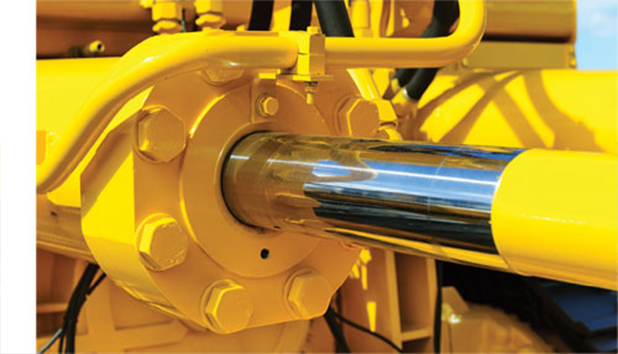
3.Take care of the hydraulic parts
Devices that connect to the cylinder, such as brackets, ballpoints, clevises, and others, are also crucial. Anytime your clevis or pivot pin wears down, it will add more play and slop in the joints of the cylinder. Plus, it will cause the cylinder to misalign, leading to wear or damage in severe cases. In a case where your system needs high precision, having a slight clearance between joints adds a vibration makes it jerky, and causes the machine to be inaccurate. Therefore, as you remove the cylinders for repair, inspect the accessories to check if they need replacement.
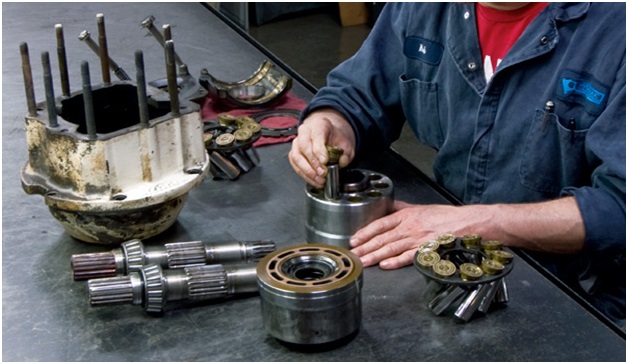
4.Inspect the lube oli system
If you are running pneumatic cylinders, which often need their own source of lubrication, inspect and service your lubrication system, as needed. A basic system will have a lubricator built into the filter/regulator assembly, which is fairly reliable. However, no lube oil can be provided when the reservoir is empty. Inspect the oil level regularly.
Even a reservoir full of oil provides no guarantee your lubricator is working, so you may need to test your oil line exiting the FRL by hooking up a blow gun and spraying a white paper towel. If there is a patch of oil on the towel, you’re good to go. If it is dry, you may have to remedy a clog in the lubricator, or replace it if it cannot be fixed.
When testing any lubrication system, check that excessive amounts of oil aren’t being introduced into the system. I’ve seen lube systems introducing so much oil as to hydrolock a pneumatic cylinder, preventing it from cycling full stroke rapidly. Only a fine mist is required to help an air cylinder overcome friction.
5.Have extra hydraulic cylinders
If you cannot avoid downtime, it is best to have an extra hydraulic cylinder to rotate with regularly. Before keeping extra hydraulic cylinders, check the components regularly to have a proper perspective of the condition of the systems. Plus, if a cylinder needs repair, have all the seals replaced. You can do repairs yourself or get a professional if you have no idea at all. Professionals will find the parts, they have the time, and they will sort out the problem.
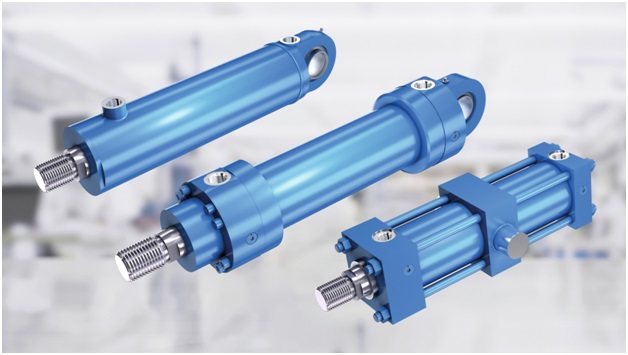
If you’re in need of sales or service on hydraulic cylinders at your facility, please contact Aisoar hydraulic!