
Hydraulic cylinders are essential components in a wide range of industrial and heavy machinery applications, providing the force needed for tasks such as lifting, pushing, pulling, and holding. To ensure that hydraulic cylinders perform at their best, it’s crucial to optimize their performance. In this blog, we will explore various strategies and best practices to enhance the efficiency, reliability, and longevity of hydraulic cylinders.
1. Regular Maintenance and Inspection
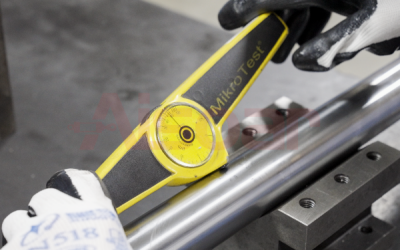
One of the most effective ways to optimize hydraulic cylinder performance is through regular maintenance and inspection. This includes:
- Routine Checks: Regularly check for leaks, corrosion, and wear and tear. Inspect seals, rods, and cylinder barrels for any signs of damage.
- Lubrication: Ensure that all moving parts are adequately lubricated to reduce friction and wear.
- Fluid Maintenance: Regularly check hydraulic fluid levels and quality. Replace old or contaminated fluid to maintain optimal performance.
2. Proper Installation and Alignment
Incorrect installation and misalignment can lead to premature wear and failure of hydraulic cylinders. Follow these steps for proper installation:
- Alignment: Ensure that the cylinder is correctly aligned with the load to prevent side loading, which can cause uneven wear and damage.
- Mounting: Use appropriate mounting hardware and techniques to secure the cylinder in place and minimize vibrations.
- Torque Specifications: Follow manufacturer torque specifications for mounting bolts to avoid over-tightening or under-tightening.
3. Selecting the Right Hydraulic Fluid
The type of hydraulic fluid used can significantly impact the performance of hydraulic cylinders. Consider the following when selecting hydraulic fluid:
- Viscosity: Choose a fluid with the appropriate viscosity for your application to ensure efficient flow and lubrication.
- Compatibility: Ensure the hydraulic fluid is compatible with the cylinder materials and seals to prevent degradation.
- Quality: Use high-quality hydraulic fluids that meet industry standards to enhance performance and longevity.
4. Implementing Preventive Maintenance Programs
A proactive approach to maintenance can prevent issues before they become major problems. Implementing a preventive maintenance program includes:
- Scheduled Inspections: Conduct regular inspections and servicing based on a predetermined schedule.
- Predictive Maintenance: Use sensors and monitoring systems to track the performance and condition of hydraulic cylinders, allowing for predictive maintenance actions.
- Documentation: Keep detailed records of maintenance activities, including dates, actions taken, and any observations.
5. Optimizing Operating Conditions
Operating hydraulic cylinders within their optimal conditions can enhance performance and extend their lifespan. Consider the following:
- Temperature Control: Avoid exposing cylinders to extreme temperatures, which can affect fluid viscosity and seal integrity.
- Load Management: Ensure that the cylinder operates within its rated load capacity to prevent overloading and damage.
- Cycle Speed: Optimize the speed of the hydraulic cycles to balance performance and wear.
6. Using Quality Components and Seals
The performance of hydraulic cylinders is heavily dependent on the quality of components and seals used. Invest in high-quality parts to ensure reliability and efficiency:
- Seals: Use seals that are designed to withstand the specific operating conditions of your application, including pressure, temperature, and fluid compatibility.
- Components: Choose components made from durable materials that can resist wear, corrosion, and fatigue.
7. Monitoring and Diagnostics
Implementing monitoring and diagnostic tools can help identify potential issues early and optimize performance:
- Pressure Gauges: Use pressure gauges to monitor hydraulic pressure and ensure it remains within the specified range.
- Temperature Sensors: Install temperature sensors to track operating temperatures and prevent overheating.
- Condition Monitoring Systems: Use advanced monitoring systems to analyze the condition of hydraulic fluid and components in real-time.
8. Training and Education
Ensuring that operators and maintenance personnel are well-trained can significantly impact the performance of hydraulic cylinders:
- Training Programs: Provide regular training on proper operation, maintenance procedures, and safety protocols.
- Operational Guidelines: Develop and distribute detailed operational guidelines to standardize best practices.
Conclusion
Optimizing the performance of hydraulic cylinders involves a combination of regular maintenance, proper installation, fluid management, and the use of high-quality components. By implementing these strategies and best practices, you can enhance the efficiency, reliability, and longevity of your hydraulic cylinders, ensuring they perform at their best in any application. Investing in the optimization of hydraulic cylinder performance not only improves productivity but also reduces downtime and maintenance costs, contributing to the overall success of your operations.