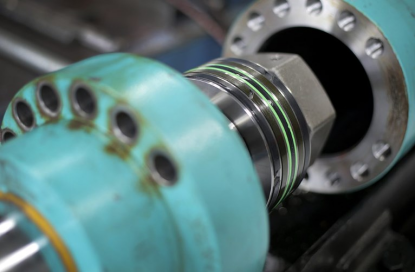
A hydraulic cylinder is a crucial piece of equipment that needs periodic service to operate at its best. Inadequate maintenance can result in a wide range of issues, including lower effectiveness and shortened lifespan as well as total system failure. But how exactly is a hydraulic cylinder maintained?
A vital part of hydraulic cylinder maintenance is keeping the oil and lubrication in good condition, keeping accessories and parts clean, carrying out routine inspections, and keeping additional cylinders on hand. By following these recommendations, you can extend the time that your hydraulic pistons and cylinders remain in top shape.
The Importance of Regular Hydraulic Cylinders to Maintenance
An improperly maintained hydraulic cylinder or ram can harm your system, injure your employees, and be costly due to the cost of repairs and the amount of downtime required to do those repairs. Regular maintenance is essential if you want to make sure that your hydraulic cylinder is operating smoothly and effectively.
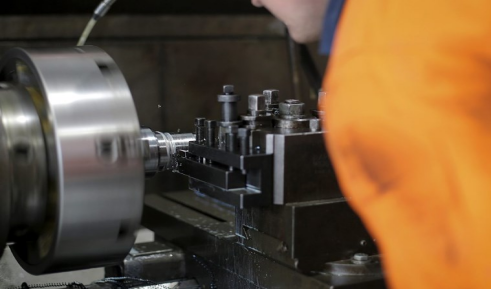
How to maintain a cylinder?
A hydraulic cylinder’s maintenance is essential to keeping your machinery in excellent condition. Unmaintained hydraulic cylinders can quickly become ineffective, costing you time and money. Even worse, a poorly maintained hydraulic cylinder poses a risk to your personnel and can harm your equipment.
These suggestions can help to keep your hydraulic cylinder in good shape. These quick, basic steps are likely to keep your cylinder in excellent condition and free of harm.
If maintenance is put delayed for an extended period of time, you might have to spend more money fixing your hydraulic cylinders. Here are the most important five procedures for maintaining hydraulic cylinders and rams:
·Ensure The Oil is Clean
One of the most important things you can do to maintain your hydraulic cylinder is to make sure the oil is clean and sufficient. It is vital to filter the oil in your hydraulic system because particles will travel into the cylinder while it functions.
Dirty oil can easily harm and shorten the life of your hydraulic cylinder. To keep your cylinder functioning smoothly, keep the oil pan and oil pump clean on a regular basis. To minimize difficulties later on, oil should always be filtered before being applied to hydraulic cylinders.
·Perform Regular Inspection
Regularly inspecting your hydraulic cylinders is critical for maintaining them in good condition since you will be able to detect concerns and damage sooner. Inspecting your cylinders for corrosion, wear and tear, and leaks is a quick operation that can save you time and money in the long run.
Regular inspections are for more than just looking for problems. It is an excellent time to inspect your system for other problems, such as misalignment, hydraulic fluid levels, and air in the system. If there is wear on the piston or seals, it will be easy to detect and repair before it becomes a larger problem.If the wear is unbalanced, a short adjustment can probably correct the misalignment that caused it.
Another problem that you should look out for is corrosion. Corrosion is a symptom of too much moisture and can mean that the hydraulic fluid needs to be changed. In addition to affecting the rod or cylinder, corrosion can also have an impact on the hydraulic system’s seals. Corroded seals can allow hydraulic fluid to leak or cause a cylinder to malfunction.
You can keep your hydraulic cylinders in good condition all year long by spending a short amount of time each week doing a few easy checks on them.
·Maintain & Replace Accessories Where Necessary
Another thing you can do to successfully maintain your hydraulic cylinder system is to repair and replace hydraulic cylinder accessories as needed. Brackets and ball joints, for example, are simply replaceable and will help maintain your system functioning smoothly.
Hydraulic cylinders have numerous moving parts, each of which contributes to the cylinder’s proper and safe operation. Although these components are minor in contrast, they serve an important purpose and should be maintained and replaced with the same care as the cylinder itself.
Worn hydraulic cylinder components and accessories have greater slop and give in their motion, which is undesirable in a precise instrument.
·Maintain Hydraulic Oil Level
Lubrication and oil are critical to the health and function of your hydraulic system, and a lack of lubrication can limit efficiency or even harm your hydraulic cylinder and other crucial hydraulic components. Modern tools can examine and monitor fluid levels, allowing for modifications as needed. Even though most hydraulic systems include a filtering system by default, this is still necessary.
One of the most crucial elements of keeping your hydraulic system operational is maintaining hydraulic oil levels. Although hydraulic cylinders have lubricating reservoirs to last for hours of continuous use, these eventually need to be filled.