
Understanding Speed in Hydraulic Cylinders
Speed in hydraulic cylinders is a measure of how fast the piston moves from one end of the cylinder to the other. It depends on several factors including fluid flow rate, cylinder size, and load dynamics.
Why Speed Matters
Optimizing cylinder speed can lead to improved machine productivity and better control over your operational processes.
Factors Affecting Cylinder Speed
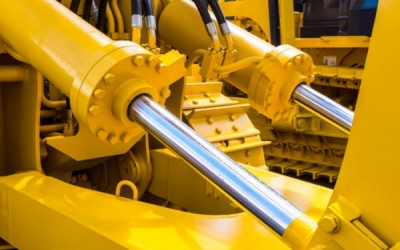 Pump Flow Rate
The speed at which fluid is pumped into the cylinder directly impacts how quickly the piston moves. To increase speed, increase the flow rate without exceeding the system’s capacity.
Cylinder Bore Size
A larger bore means a larger area for the fluid to fill, which can reduce the speed of the piston. Conversely, smaller bores facilitate higher speeds, assuming all other factors are constant.
Rod Diameter
The size of the piston rod also affects speed. A thicker rod displaces more fluid on the retraction stroke, resulting in different extension and retraction speeds unless compensated for with flow control.
Calculating the Perfect Speed
To balance the speed and force required for your specific application, you can use the following basic formula:
This calculation will give you a starting point but always consider the load and resistance your machinery will face.
Tuning for Efficiency
Variable Flow Pumps:
Investing in pumps that allow for variable flow rates can help you adjust the cylinder speed on the go, enhancing operational flexibility.
Flow Control Valves
These can be installed to fine-tune the flow rate entering and exiting the cylinder, giving you control over extension and retraction speeds.
The Impact of Load and Pressure
Another critical aspect of cylinder speed control is the load it must move. Higher loads require more force, which can impact speed, as well as the pressure settings on your pump. Proper system design is essential to ensure balance between speed and force.
Speed vs Stability
While higher speeds are often desired for increased productivity, it’s important to ensure that they don’t compromise the smooth operation and stability of the hydraulic system.