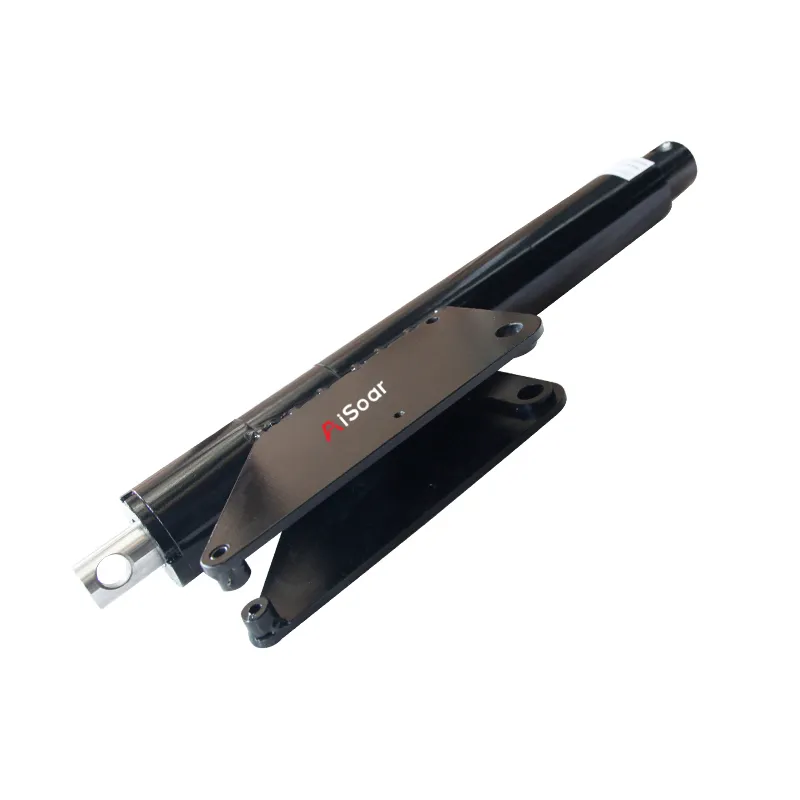
การเลือกที่ยกไฮดรอลิกแบบกรรไกรสำหรับรถพ่วงทิ้งไม่ใช่เรื่องง่ายเพียงแค่เลือกชุดที่ระบุว่า “6 ตัน,” “8 ตัน,” หรือ “10 ตัน.” ที่ยกที่ถูกต้องต้องสอดคล้องกับขนาดตัวถังรถพ่วง, น้ำหนักบรรทุก, การกระจายน้ำหนัก, มุมการทิ้งที่ต้องการ, ตำแหน่งการติดตั้ง, กระบอกไฮดรอลิก, และหน่วยพลังงาน.
ที่ยกที่เล็กเกินไปอาจมีปัญหาในการเริ่มยกเมื่อรถพ่วงเต็มน้ำหนัก ระบบที่ใหญ่เกินไปอาจเพิ่มค่าใช้จ่าย, น้ำหนัก, และความยากในการติดตั้งโดยไม่ให้ข้อได้เปรียบที่เป็นประโยชน์.
สำหรับผู้ผลิตรถพ่วง, โรงงานซ่อมแซม, ผู้จัดจำหน่าย, และโครงการแปรสภาพ, ปัจจัยต่อไปนี้ควรได้รับการตรวจสอบก่อนที่จะเลือกชุดที่ยกแบบกรรไกรไฮดรอลิก.
1. ทำความเข้าใจว่าที่ยกแบบกรรไกรทำงานอย่างไร
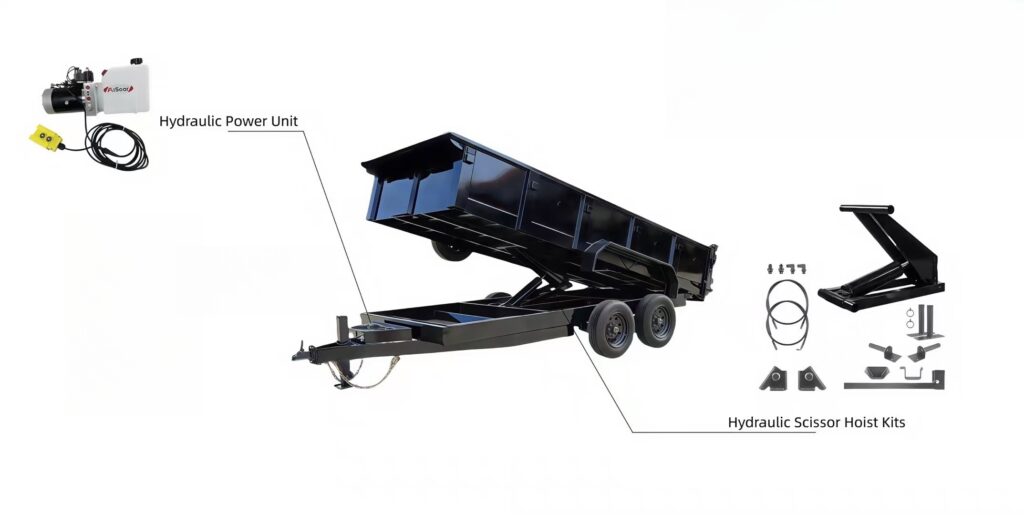
ที่ยกแบบกรรไกรไฮดรอลิกใช้กระบอกไฮดรอลิกในการเปิดโครงสร้างกรรไกรกลที่ติดตั้งระหว่างกรอบรถพ่วงและตัวถังทิ้ง.
เมื่อกระบอกขยายออก กลไกกรรไกรจะดันตัวถังขึ้นรอบบานพับหลัง กลไกนี้เปลี่ยนแรงเชิงเส้นของกระบอกเป็นการเคลื่อนที่ในการยก.
แรงยกที่ต้องการมักจะสูงที่สุดในช่วงเริ่มต้นของรอบการใช้งานเนื่องจากตัวถังทิ้งเกือบจะอยู่ในแนวนอน ในช่วงนี้ แรงอันเป็นกลไกที่มีให้จากที่ยกมีจำกัด เมื่อเริ่มมีการยกตัวถัง น้ำหนักจะค่อยๆ เคลื่อนที่ไปทางบานพับหลังและการยกมักจะง่ายขึ้น.
นี่คือเหตุผลที่ความสามารถในการยกที่เริ่มต้นถือเป็นหนึ่งในปัจจัยที่สำคัญที่สุดเมื่อเลือกใช้เครนยก.
2. อย่าเลือกที่ยกโดยพิจารณาจากน้ำหนักบรรทุกเพียงอย่างเดียว
น้ำหนักบรรทุกของรถพ่วงเป็นสิ่งสำคัญ แต่ไม่ใช่น้ำหนักเดียวที่เครนยกต้องยก.
การเลือกควรพิจารณา:
| รายการ | คำอธิบาย |
|---|---|
| น้ำหนักบรรทุก | วัสดุสูงสุดที่รถพ่วงสามารถบรรทุกได้ |
| น้ำหนักตัวถังทิ้ง | น้ำหนักของตัวรถ, พื้น, แผ่นข้าง และประตูท้าย |
| ส่วนประกอบเพิ่มเติม | ผ้าคลุม, ทางลาด, กล่องเครื่องมือ หรืออุปกรณ์เสริมอื่นๆ |
| การกระจายน้ำหนัก | ว่ามีวัสดุถูกกระจายอย่างสม่ำเสมอหรือเน้นหนัก |
| ขอบเขตความปลอดภัย | ความสามารถเพิ่มเติมสำหรับความแปรปรวนในการใช้งาน |
ตัวอย่างเช่น รถพ่วงที่บรรทุกวัสดุ 6 ตันอาจต้องให้เครนยกยกน้ำหนักมากกว่า 6 ตันเมื่อรวมถึงตัวรถพ่วงและอุปกรณ์เสริมที่ติดตั้ง.
ประเภทของวัสดุก็มีความสำคัญเช่นกัน ทรายละเอียด ดิน กรวด ขยะจากการรื้อถอน ผลิตภัณฑ์ทางการเกษตร และวัสดุการจัดสวนไม่จำเป็นต้องมีการระบายออกในลักษณะเดียวกัน วัสดุที่เปียกหรืออัดแน่นอาจคงอยู่ในตัวรถนานขึ้นและสร้างน้ำหนักเริ่มต้นที่สูงขึ้น.
ดังนั้น เครนยกไม่ควรถูกเลือกเพียงแค่การจับคู่การให้คะแนนตามที่กำหนดกับน้ำหนักบรรทุกที่ระบุของรถพ่วง.
3. วัดความยาวของตัวถังทิ้ง
ความยาวของตัวรถพ่วงส่งผลโดยตรงต่อแรงบิดในการยกที่ต้องการ.
ตัวรถที่ยาวกว่ามักจะทำให้จุดศูนย์ถ่วงรวมอยู่ห่างจากบานพับด้านหลังมากขึ้น ซึ่งเพิ่มแรงที่จำเป็นเพื่อเริ่มการยก แม้ว่าน้ำหนักรวมจะยังคงเท่าเดิม.
ขนาดที่สำคัญรวมถึง:
- ความยาวภายในของตัวรถพ่วง
- ความยาวโดยรวมของตัวรถ
- ระยะจากบานพับด้านหลังไปยังด้านหน้าของตัวรถ
- ส่วนที่ยื่นหลังจากบานพับ
- ตำแหน่งของจุดศูนย์ถ่วงที่คาดการณ์ไว้เมื่อมีการบรรทุก
รถเทรลเลอร์สองคันที่มีน้ำหนักบรรทุกเท่ากันอาจต้องการรุ่นเครนที่แตกต่างกันเมื่อความยาวลำตัวและตำแหน่งบานพับแตกต่างกัน.
ผู้จัดหาควรตรวจสอบขนาดตัวถังจริงแทนที่จะแนะนำรุ่นโดยอิงจากน้ำหนักตันเพียงอย่างเดียว.
4. ยืนยันตำแหน่งของบานพับหลัง
ตัวถังการเทจะหมุนรอบบานพับด้านหลัง ดังนั้นตำแหน่งบานพับจึงมีอิทธิพลต่อประสิทธิภาพของเครนอย่างมาก.
บานพับที่ตั้งอยู่ไกลไปข้างหน้าหรือไกลไปข้างหลังเกินไปสามารถเปลี่ยนแปลง:
- แรงยกเริ่มต้น
- มุมเทสุดท้าย
- โหลดบนโครงรถเทรลเลอร์
- ความมั่นคงระหว่างการเทสินค้า
- การเดินทางของกระบอกสูบที่ต้องการ
- ตำแหน่งการติดตั้งเฮลิคอปเตอร์
การประกอบบานพับต้องแข็งแรงพอที่จะรองรับตัวถังที่บรรทุกน้ำหนักเต็มที่ในระหว่างการยกและการขนถ่าย.
เมื่อขอคำแนะนำเกี่ยวกับเฮลิคอปเตอร์ ให้ระยะห่างระหว่างศูนย์กลางบานพับกับจุดอ้างอิงโครงหลักของรถพ่วง รวมถึงภาพวาดจากมุมข้างจะมีประโยชน์โดยเฉพาะ.
5. กำหนดมุมทิ้งที่ต้องการ
การใช้งานการทิ้งทั่วไปอาจต้องการมุมตัวถังสุดท้ายที่แตกต่างกันขึ้นอยู่กับวัสดุและออกแบบรถพ่วง.
วัสดุที่ไหลได้ง่ายอาจปล่อยออกมาที่มุมต่ำกว่า ดินเหนียวเหนียว, ทรายเปียกหรือขยะอัดอาจต้องการมุมที่มากขึ้นเพื่อการขนถ่ายที่สมบูรณ์.
มุมที่สามารถทำได้ขึ้นอยู่กับ:
- รูปทรงของเฮลิคอปเตอร์
- ตำแหน่งการติดตั้ง
- การเดินทางของกระบอกสูบ
- ความยาวตัวถังที่ทิ้งได้
- ตำแหน่งบานพับหลัง
- พื้นที่ระหว่างเฮลิคอปเตอร์และโครงรถพ่วง
การเลือกกระบอกสูบที่ยาวขึ้นไม่ได้รับประกันมุมการทิ้งที่ดีกว่าโดยอัตโนมัติ ต้องตรวจสอบรูปทรงทั้งหมดเพื่อให้แน่ใจว่ากลไกกรรไกรไม่ยืดออกมากเกินไปหรือตกกระทบกับโครง.
ดังนั้นมุมการทิ้งที่ต้องการควรได้รับการยืนยันก่อนที่จะเชื่อมติดตั้งอุปกรณ์.
6. ตรวจสอบพื้นที่ติดตั้งที่มีอยู่
เฮลิคอปเตอร์กรรไกรไฮดรอลิกจะต้องพอดีกับระหว่างโครงรถพ่วงและด้านล่างของตัวถังทิ้งเมื่อถูกหดเข้าเต็มที่.
วัดความกว้างที่มีอยู่:
- ความกว้างของกรอบ
- ระยะห่างของสมาชิกข้าม
- ความสูงการติดตั้งที่ปิด
- ระยะห่างระหว่างกรอบและตัวถังทิ้ง
- พื้นที่สำหรับกระบอกสูบไฮดรอลิก
- ระยะห่างรอบๆ แกน, สายเบรก และการเดินสายไฟ
- พื้นที่สำหรับหน่วยพลังงานและถังน้ำมัน
เฮดเตอร์ไม่ควรมีผลกระทบต่อชิ้นส่วนกันสะเทือน, ยาง, สายไฟฟ้าหรือท่อไฮดรอลิกตลอดวงจรการยกทั้งหมด。.
สำหรับรถเทียบที่มีอยู่ จะต้องมีภาพถ่ายและการวัดขนาดของด้านล่างเป็นส่วนใหญ่ สำหรับการออกแบบรถเทียบใหม่ เฮดเตอร์ควรถูกนำเข้าสู่วงจรการออกแบบกรอบแทนที่จะถูกเพิ่มเข้าหลังจากโครงสร้างเสร็จสมบูรณ์แล้ว。.
7. จับคู่กระบอกไฮดรอลิกกับที่ยก
กระบอกสูบไฮดรอลิกจะกำหนดแรงผลักดันที่มีให้และมีอิทธิพลต่อความเร็วในการยกและมุมสุดท้าย。.
พารามิเตอร์ที่สำคัญของกระบอกสูบประกอบด้วย:
| พารามิเตอร์ | ทำไมมันจึงสำคัญ |
|---|---|
| เส้นผ่านศูนย์กลางรู | กำหนดแรงออกของกระบอกสูบ |
| เส้นผ่านศูนย์กลางของแกน | มีผลต่อความแข็งแรงและความต้านทานการโก่ง |
| โรคหลอดเลือดสมอง | กำหนดการเดินทางเปิดของกรรไกร |
| ความยาวปิด | ต้องเข้ากับโครงสร้างเฮดเตอร์ที่พับได้ |
| ความดันในการทำงาน | ต้องตรงกับหน่วยพลังงานไฮดรอลิก |
| ประเภทการติดตั้ง | ต้องเข้ากับจุดหมุนของเฮดเตอร์ |
| ตำแหน่งพอร์ต | มีผลต่อการติดตั้งท่อ |
| การป้องกันพื้นผิว | สำคัญสำหรับการใช้งานรถเทียบกลางแจ้ง |
กระบอกสูบไม่ควรถูกแทนที่ด้วยรุ่นอื่นเพียงเพราะการเดินทางดูคล้ายกัน ขนาดเส้นผ่านศูนย์กลางที่แตกต่างกัน ขนาดของพิน ความยาวที่ปิดหรือระดับความดันสามารถเปลี่ยนแปลงประสิทธิภาพและความปลอดภัยของทั้งระบบได้.
โครงสร้างกระบอกสูบและเครนควรเลือกเป็นชุดที่ตรงกัน.
8. เลือกหน่วยพลังงานไฮดรอลิกที่ถูกต้อง
รถพ่วงทิ้งขยะขนาดเล็กและขนาดกลางส่วนใหญ่ใช้หน่วยพลังงานไฮดรอลิก DC ที่ได้รับพลังงานจากแบตเตอรี่ของรถพ่วงหรือรถลาก.
ตัวเลือกทั่วไป ได้แก่
- DC 12V สำหรับการใช้งานของรถพ่วงขนาดเล็กและขนาดกลางหลายรุ่น
- DC 24V สำหรับยานพาหนะเชิงพาณิชย์บางรุ่นและระบบขนาดใหญ่กว่า
- วงจรยกขึ้นและแรงโน้มถ่วงลง
- วงจรยกขึ้นและยกลง
- การควบคุมแบบเพนดันต์แบบมีสาย
- การควบคุมระยะไกลแบบไร้สายที่เลือกได้
หน่วยพลังงานต้องสามารถให้แรงดันที่เพียงพอเพื่อยกโหลดและมีการไหลเพียงพอเพื่อให้ได้ความเร็วในการยกที่ยอมรับได้.
แรงดันและการไหลมีหน้าที่ที่แตกต่างกัน:
- ความกดดัน กำหนดแรงของกระบอกสูบที่มีอยู่.
- การไหล กำหนดว่ากระบอกสูบเคลื่อนที่ได้เร็วเพียงใด.
ปั๊มที่มีการไหลสูงอาจยกได้เร็วกว่า แต่ก็ต้องการพลังงานจากมอเตอร์และความจุแบตเตอรี่ที่สูงขึ้นด้วย. ถังน้ำมันขนาดเล็กอาจลดพื้นที่ติดตั้ง แต่ต้องมีน้ำมันเพียงพอสำหรับการยืดของกระบอกสูบทั้งหมด.
พลังงานจากมอเตอร์, การเคลื่อนที่ของปั๊ม, การตั้งค่าวาล์วนิรภัย และความจุถังควรคำนวณตามกระบอกสูบที่เลือก.
9. พิจารณารอบการใช้งาน
รถพ่วงที่ใช้เป็นบางครั้งสำหรับงานจัดสวนมีข้อกำหนดในการดำเนินงานที่แตกต่างจากรถพ่วงเชิงพาณิชย์ที่ทำการเทซ้ำๆ ตลอดทั้งวัน.
ผู้จัดหาควรเข้าใจ:
- จำนวนรอบต่อวัน
- เวลาระหว่างรอบ
- สภาพโหลดปกติ
- อุณหภูมิแวดล้อม
- สภาพแวดล้อมในการทำงาน
- ความเร็วในการยกที่ต้องการ
- เวลาทำงานของมอเตอร์ต่อเนื่องสูงสุด
การดำเนินการบ่อยครั้งสามารถสร้างความร้อนมากขึ้นในมอเตอร์, ปั๊ม และน้ำมันไฮดรอลิก. สำหรับแอปพลิเคชันที่มีภาระสูงกว่า อาจต้องการมอเตอร์ใหญ่กว่า, ถังน้ำมัน หรือการกำหนดค่าหน่วยพลังงานที่แตกต่างกัน.
10. ตรวจสอบความแข็งแรงของกรอบและจุดติดตั้ง
เครนจะถ่ายโอนโหลดที่เข้มข้นไปยังโครงสร้างของรถพ่วงและตัวถังเท.
ขาเชื่อมควรเชื่อมต่อกับสมาชิกข้ามที่เหมาะสมทางโครงสร้าง. การติดตั้งเครนบนแผ่นพื้นบางหรือส่วนที่ไม่มีการสนับสนุนอาจทำให้เกิดการบิดเบี้ยว, การแตก, หรือการจัดแนวในการยกที่ไม่ดี.
โครงสร้างของรถพ่วงควรได้รับการตรวจสอบสำหรับ:
- ความแข็งแรงของส่วนกรอบ
- ตำแหน่งของสมาชิกข้าม
- พื้นที่การเชื่อมแบรคเก็ต
- การกระจายน้ำหนัก
- การเสริมความแข็งแรงของบานพับด้านหลัง
- ความต้านทานต่อการบิด
- ช่องว่างระหว่างการขยายเต็มที่
ด้านซ้ายและด้านขวาของเครนต้องคงอยู่ในแนวเดียวกัน การบิดเบือนของโครงหรือการวางตำแหน่งแบรคเก็ตที่ไม่ถูกต้องอาจทำให้เกิดการโหลดด้านข้างบนกระบอกสูบและพินหมุน.
สำหรับโครงการ OEM ควรยืนยันการจัดวางติดตั้งก่อนที่การเชื่อมผลิตจะเริ่มขึ้น.
11. รวมชิ้นส่วนความปลอดภัย
ระบบไฮดรอลิกไม่ควรเป็นเพียงส่วนประกอบเดียวที่รองรับตัวถังที่ยกขึ้นระหว่างการตรวจสอบหรือบำรุงรักษา.
ระบบที่สมบูรณ์ควรรวมถึงหรือรองรับ:
- ขาอยู่ด้านความปลอดภัยทางกล
- บานพับด้านหลังที่ปลอดภัย
- พินหมุนที่มีขนาดเหมาะสม
- อุปกรณ์รักษาพิน
- การป้องกันการระบายความดัน
- การป้องกันการจัดสายยาง
- การลดที่ควบคุมได้
- คำแนะนำการใช้งานที่ชัดเจน
ผู้ปฏิบัติงานไม่ควรทำงานใต้ตัวถังที่ยกขึ้นโดยไม่เปิดใช้งานการสนับสนุนความปลอดภัยทางกล.
อุปกรณ์ความปลอดภัยต้องตั้งอยู่ในตำแหน่งที่สามารถใช้งานได้โดยไม่ทำให้ผู้ปฏิบัติงานอยู่ในพื้นที่อันตราย.
12. ตัดสินใจว่าคุณต้องการชุดที่ยกหรือชุดเต็มหรือไม่
เครนไฮดรอลิกแบบกรรไกรสามารถจัดหาได้ในหลายรูปแบบ.
การประกอบพื้นฐานอาจรวมถึง:
- โครงสร้างลิฟต์กรรไกร
- กระบอกสูบไฮดรอลิก
- ขาโยก
- ขากระจายติดตั้ง
ชุดไฮดรอลิกที่สมบูรณ์อาจรวมถึง:
- หน่วยกำลังไฮดรอลิก DC
- ถังน้ำมัน
- อุปกรณ์ควบคุม
- สายไฮดรอลิก
- ฟิตติ้งท่อ
- บานพับตัวถัง
- ขาตั้งความปลอดภัย
- ฮาร์ดแวร์ติดตั้ง
- รีโมทไร้สายเสริม
สำหรับผู้ผลิตรถพ่วง การซื้อชุดที่ตรงกันทั้งหมดสามารถลดปัญหาความเข้ากันได้ของชิ้นส่วนและทำให้การติดตั้งง่ายขึ้น.
อย่างไรก็ตาม บริษัทซ่อมอาจต้องการเพียงกระบอกสูบรีเซ็ต ชุดท่อ หรือหน่วยกำลัง องค์ประกอบที่จำเป็นต้องได้รับการยืนยันระหว่างการเสนอราคา.
ข้อมูลที่จำเป็นสำหรับการเลือกที่ยก
ในการแนะนำยกกรรไกรไฮดรอลิกที่เหมาะสม กรุณาให้ข้อมูลดังต่อไปนี้:
| ข้อมูลที่จำเป็น | ตัวอย่าง |
|---|---|
| น้ำหนักบรรทุกสูงสุด | 6,000 กก. |
| น้ำหนักตัวถังทิ้ง | 1,200 กก. |
| ความยาวตัวถังที่ทิ้งได้ | 4,200 มม. |
| ความกว้างของตัวถัง | 2,000 มม. |
| ตำแหน่งบานพับหลัง | ต้องการภาพวาด |
| ส่วนเกินที่ด้านหลัง | 300 มม. |
| มุมการดัมพ์ที่ต้องการ | 45° |
| ความกว้างในการติดตั้งที่มีอยู่ | 800 มม. |
| แหล่งพลังงาน | DC 12V |
| ประเภทการควบคุม | สายระยาง |
| ความถี่ในการทำงาน | 10 รอบต่อวัน |
| วัสดุที่ขนส่ง | ทราย กรวด หรือขยะ |
ภาพวาดพ่วงด้านข้าง ภาพถ่ายด้านล่าง และมิติของเฟรมจะทำให้การเลือกแม่นยำยิ่งขึ้น.
ข้อผิดพลาดทั่วไปในการเลือก
ข้อผิดพลาดทั่วไปหลายประการอาจนำไปสู่ประสิทธิภาพการยกที่ไม่ดี:
- เลือกเฉพาะตามน้ำหนักบรรทุกของรถพ่วง
- ไม่สนใจน้ำหนักของตัวถังที่เท
- ไม่พิจารณาความยาวของตัวถัง
- ติดตั้งบานพับด้านหลังในตำแหน่งที่ผิด
- เลือกกระบอกสูบโดยอิงจากการเดินทางเท่านั้น
- ใช้หน่วยพลังงานไฮดรอลิกที่ไม่ตรงกัน
- ตั้งค่าความดันการระบายให้สูงเกินไป
- ไม่สนใจความแข็งแรงของกรอบรถพ่วง
- เชื่อมติดตั้งขาเกาะก่อนยืนยันเกี่ยวกับรูปทรง
- ใช้งานโดยไม่มีอุปกรณ์ช่วยความปลอดภัยทางกล
ปัญหาเหล่านี้มักจะป้องกันได้โดยการตรวจสอบการออกแบบรถพ่วงอย่างครบถ้วนก่อนที่จะสั่งซื้อเครน.
สรุป
เครนไฮดรอลิกแบบตัดเฉือนที่ถูกต้องควรได้รับการเลือกเป็นส่วนหนึ่งของระบบยกที่ครบถ้วนของรถพ่วง แทนที่จะเป็นส่วนประกอบที่แยกออกมา.
น้ำหนักบรรทุก น้ำหนักตัวถัง ความยาวตัวถัง จุดศูนย์ถ่วง ตำแหน่งบานพับ มุมการเท พื้นที่ติดตั้ง ขนาดกระบอกสูบ ความดันไฮดรอลิก อัตราการไหลของปั๊ม และความแข็งแรงของกรอบต้องพิจารณาร่วมกันทั้งหมด.
AiSoar จัดหาอุปกรณ์เครนไฮดรอลิกแบบตัดเฉือนและชุดไฮดรอลิกสำหรับรถพ่วงเทที่ครบถ้วนสำหรับการใช้งานประมาณ 3–12 ตัน ส่วนประกอบที่มีอยู่สามารถรวมถึงโครงสร้างเครน กระบอกสูบไฮดรอลิกที่ตรงกัน หน่วยพลังงาน DC 12V หรือ 24V ท่อ ข้อต่อ บานพับ ซัพพอร์ตความปลอดภัย และตัวเลือกการควบคุม.
สำหรับการเลือกโมเดล ส่งภาพวาดรถพ่วงของคุณ น้ำหนักบรรทุกสูงสุด ขนาดตัวถังที่เท มุมการเทที่ต้องการ และแหล่งจ่ายไฟ ทีมงานของเราสามารถตรวจสอบการใช้งานและแนะนำการติดตั้งไฮดรอลิกที่เหมาะสม.