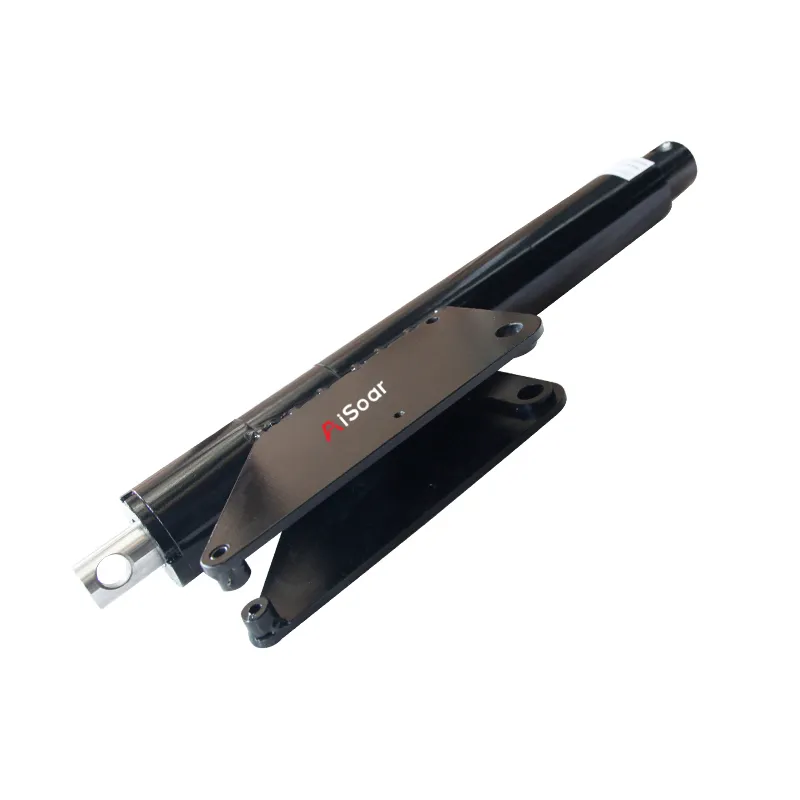
انتخاب یک بالابر قیچی هیدرولیک برای یک تریلر تخلیه به سادگی انتخاب یک کیت که با برچسب “6 تن”، “8 تن” یا “10 تن” باشد، نیست. بالابر صحیح باید با ابعاد بدنه تریلر، بار خالص، توزیع بار، زاویه تخلیه مورد نیاز، موقعیت نصب، سیلندر هیدرولیک و واحد قدرت مطابقت داشته باشد.
بالابری که خیلی کوچک باشد ممکن است در شروع بلند کردن وقتی که تریلر کاملاً بارگذاری شدهاست، مشکل داشته باشد. یک سیستم بزرگتر ممکن است هزینه، وزن و دشواری نصب را افزایش دهد بدون اینکه مزیت عملی فراهم کند.
برای تولیدکنندگان تریلر، کارگاههای تعمیر، توزیعکنندگان و پروژههای تبدیل، عوامل زیر باید قبل از انتخاب کیت بالابر قیچی هیدرولیک مورد بررسی قرار گیرد.
1. درک نحوه عملکرد بالابر قیچی
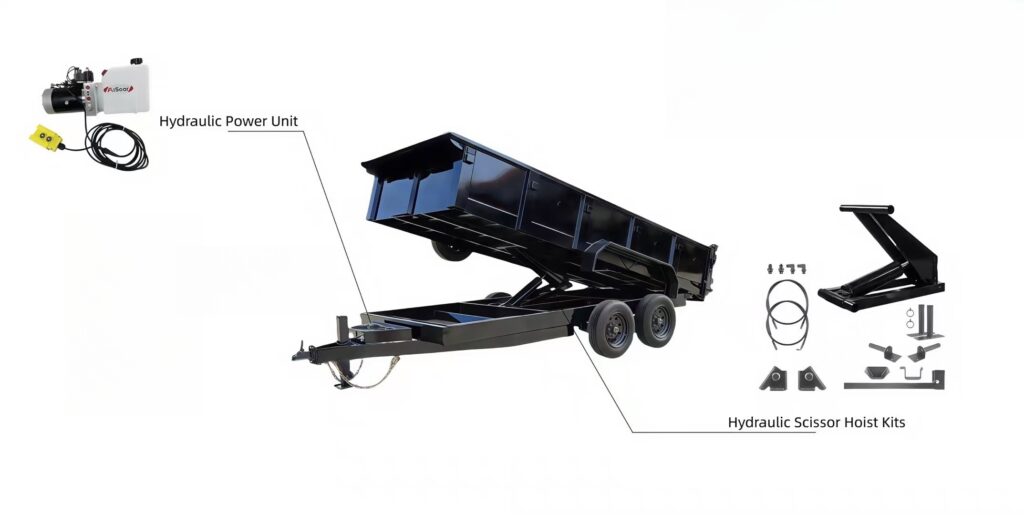
یک بالابر قیچی هیدرولیک از یک سیلندر هیدرولیک برای باز کردن یک ساختار قیچی مکانیکی نصبشده بین فریم تریلر و بدنه تخلیه استفاده میکند.
همانطور که سیلندر توسعه مییابد، مکانیزم قیچی بدنه را از قسمت عقب به سمت بالا فشار میدهد. این مکانیزم نیروی خطی سیلندر را به حرکت بلند کردن تبدیل میکند.
نیروی بلند کردن مورد نیاز معمولاً در ابتدای چرخه بالاترین است زیرا بدنه تخلیه تقریباً افقی است. در این نقطه، اهرم مکانیکی موجود از بالابر نسبتاً محدود است. هنگامی که بدنه شروع به بالا رفتن میکند، بار به تدریج به سمت لولا عقب جابجا میشود و بلند کردن معمولاً آسانتر میشود.
به همین دلیل ظرفیت باربرداری اولیه یکی از مهمترین ملاحظات هنگام انتخاب بالابر است.
2. فقط بر اساس بار خالص بالابر را انتخاب نکنید
بار قابل حمل تریلر مهم است، اما تنها وزن نیست که بالابر باید بلند کند.
انتخاب باید شامل موارد زیر باشد:
| مورد | توضیحات |
|---|---|
| بار | حداکثر مادهای که توسط تریلر حمل میشود |
| وزن بدنه تخلیه | وزن بدنه، کف، پانلهای کناری و درب عقب |
| اجزای اضافی | پوششها، رمپها، جعبههای ابزار یا سایر ملحقات |
| توزیع بار | اینکه آیا ماده به طور یکنواخت توزیع شده یا متمرکز است |
| حاشیه ایمنی | ظرفیت اضافی برای تغییرات عملیاتی |
به عنوان مثال، یک تریلر که 6 تن ماده حمل میکند ممکن است نیاز داشته باشد که بالابر بیش از 6 تن را بلند کند وقتی که بدنه تخلیه و ملحقات نصب شده شامل میشود.
نوع ماده نیز مهم است. شن، خاک، سنگریزه، زائدات تخریب، محصولات کشاورزی و مواد محوطهسازی همیشه به یک شکل تخلیه نمیشوند. مواد مرطوب یا فشرده ممکن است مدت بیشتری درون بدنه بمانند و بار اولیه بالاتری ایجاد کنند.
بنابراین، یک بالابر نباید فقط بر اساس تطابق درجه نامی آن با بار قابل حمل اعلام شده تریلر انتخاب شود.
3. طول بدنه تخلیه را اندازهگیری کنید
طول بدنه تخلیه مستقیماً بر گشتاور بلند کردن مورد نیاز تأثیر میگذارد.
بدنه بلندتر معمولاً مرکز ثقل ترکیبی را دورتر از لولا عقب قرار میدهد. این نیاز به نیروی بیشتری برای شروع بلند کردن را افزایش میدهد، حتی زمانی که وزن کلی ثابت بماند.
ابعاد مهم شامل:
- طول داخلی بدنه تخلیه
- طول کلی بدنه
- فاصله از لولا عقب تا جلوی بدنه
- برزن اضافی پشت لولا
- موقعیت مرکز ثقل بار تخمینی
دو تریلر با بار یکسان ممکن است مدلهای بالابر مختلفی را نیاز داشته باشند زمانی که طول بدنه و مکانهای لولا متفاوت باشد.
تأمینکننده باید ابعاد واقعی بدنه را بررسی کند به جای اینکه مدلی را فقط بر اساس تن تنها پیشنهاد کند.
4. موقعیت لولا در عقب را تأیید کنید
بدنه تخلیه حول لولای عقب میچرخد، بنابراین موقعیت لولا تأثیر زیادی بر عملکرد بالابر دارد.
موقعیت لولا که بیش از حد به جلو یا عقب باشد میتواند تغییر دهد:
- نیروی اولیه بلند کردن
- زاویه نهایی تخلیه
- بار بر روی شاسی تریلر
- پایداری در حین تخلیه
- ضربه سیلندر مورد نیاز
- موقعیت نصب بالابر
مونتاژ لولا باید به اندازه کافی قوی باشد تا بدنه کاملاً بارگذاری شده را در حین بلند کردن و تخلیه پشتیبانی کند.
هنگام درخواست پیشنهاد بالابر، فاصله بین مرکز لولا و نقاط مرجع اصلی شاسی تریلر را ارائه دهید. یک طرح نمای جانبی به ویژه مفید است.
5. زاویه تخلیه مورد نیاز را تعیین کنید
کاربردهای عمومی تخلیه ممکن است نیاز به زوایای نهایی بدنه متفاوتی داشته باشد که به ماده و طراحی تریلر بستگی دارد.
موادی که به راحتی جریان مییابند ممکن است در زاویه کمتری تخلیه شوند. خاک چسبناک، شن مرطوب یا زباله فشرده ممکن است نیاز به زاویه بیشتری برای تخلیه کامل داشته باشد.
زاویه قابل دستیابی به موارد زیر بستگی دارد:
- هندسه بالابر
- موقعیت نصب
- ضربه سیلندر
- طول بدنه تخلیه
- موقعیت لولا عقب
- فاصله بین بالابر و قاب تریلر
انتخاب یک سیلندر بلندتر به طور خودکار ضمانت نمیکند که زاویه تخلیه بهتری حاصل شود. باید تمام هندسه بررسی شود تا اطمینان حاصل گردد که مکانیزم قیچی بیش از حد باز نشود یا با قاب تداخل نداشته باشد.
زاویه تخلیه مورد نیاز باید قبل از جوشکاری براکت های نصب تأیید شود.
6. فضای نصب موجود را بررسی کنید
یک بالابر هیدرولیکی قیچی باید بین قاب تریلر و زیر بدنه تخلیه هنگام جمع شدن کامل قرار گیرد.
اندازه گیری موجود:
- عرض قاب
- فاصله تیرک های عرضی
- ارتفاع نصب بسته
- فاصله بین قاب و بدنه تخلیه
- فضا برای سیلندر هیدرولیکی
- فاصله اطراف محورهای چرخ، خط ترمز و سیم کشی
- فضا برای واحد قدرت و مخزن روغن
بالابر نباید با اجزای تعلیق، لاستیکها، کابلهای الکتریکی یا شیلنگهای هیدرولیک در طول چرخه کامل بلند کردن تداخل داشته باشد.
برای تریلرهای موجود، معمولاً نیاز به عکسها و اندازهگیریهای زیر بدنه است. برای طراحی یک تریلر جدید، باید بالابر در مرحله طراحی قاب گنجانده شود و نه اینکه بعد از نهایی شدن ساختار اضافه شود.
7. سیلندر هیدرولیک را با بالابر مطابقت دهید
سیلندر هیدرولیکی نیروی فشار موجود را تعیین کرده و بر سرعت بلند کردن و زاویه نهایی تأثیر میگذارد.
پارامترهای مهم سیلندر شامل:
| پارامتر | چرا مهم است |
|---|---|
| قطر سوراخ | نیروی خروجی سیلندر را تعیین میکند |
| قطر میل | بر قدرت و مقاومت به کمانش تأثیر میگذارد |
| سکتهی مغزی | حرکت باز شدن قیچی را تعیین میکند |
| طول بسته | باید با ساختار بالابر جمع شده مطابقت داشته باشد |
| فشار کاری | باید با واحد قدرت هیدرولیک مطابقت داشته باشد |
| نوع نصب | باید با نقاط pivot بالابر مطابقت داشته باشد |
| موقعیت پورت | بر نصب شلنگ تأثیر میگذارد |
| حفاظت از سطح | برای استفاده در تریلرهای بیرونی مهم است |
سیلندر نباید به سادگی با مدل دیگری جایگزین شود زیرا stroke به نظر مشابه میرسد. اندازههای مته مختلف، ابعاد پین، طولهای بسته یا درجه فشار میتوانند عملکرد و ایمنی کل سیستم را تغییر دهند.
سیلندر و ساختار بالابر باید به عنوان یک مجموعه مطابقت داده شده انتخاب شوند.
8. واحد قدرت هیدرولیک صحیح را انتخاب کنید
اکثر تریلرهای دفع کوچک و متوسط از یک واحد قدرت هیدرولیک DC تغذیه شده از باتری تریلر یا وسیله نقلیه کشنده استفاده میکنند.
گزینههای رایج شامل:
- DC 12V برای بسیاری از کاربردهای تریلر سبک و متوسط
- DC 24V برای برخی وسایل نقلیه تجاری و سیستمهای بزرگتر
- مدارهای قدرت بالا و گرانش پایین
- مدارهای قدرت بالا و قدرت پایین
- کنترل pendant سیمکشی شده
- کنترل از راه دور بیسیم اختیاری
واحد قدرت باید فشار کافی برای بلند کردن بار و جریان کافی برای دستیابی به سرعت بلند کردن قابل قبول فراهم کند.
فشار و جریان کارکردهای متفاوتی دارند:
- فشار نیروی سیلندر موجود را تعیین میکند.
- جریان تعیین میکند که سیلندر چقدر سریع حرکت میکند.
یک پمپ با جریان بالا ممکن است سریعتر بلند کند، اما همچنین به قدرت موتور و ظرفیت باتری بیشتری نیاز دارد. یک مخزن کوچک ممکن است فضای نصب را کاهش دهد اما باید همچنان حاوی روغن کافی برای کل دامنه سیلندر باشد.
قدرت موتور، جابجایی پمپ، تنظیم شیر اطمینان و ظرفیت تانک باید بر اساس سیلندر انتخاب شده محاسبه شود.
9. چرخه کاری را در نظر بگیرید
یک تریلر که به طور گاه به گاه برای کارهای طراحی منظر استفاده میشود، نیازهای عملیاتی متفاوتی نسبت به یک تریلر تجاری که چرخههای تخلیه مکرر در طول روز انجام میدهد، دارد.
تأمینکننده باید درک کند:
- تعداد چرخهها در روز
- زمان بین چرخهها
- وضعیت بار معمولی
- دمای محیط
- محیط کاری
- سرعت بلند کردن مورد نیاز
- حداکثر زمان کارکرد مداوم موتور
عملیات مکرر میتواند حرارت بیشتری در موتور، پمپ و روغن هیدرولیک ایجاد کند. برای کاربردهای با بار بالاتر، ممکن است به موتور بزرگتر، مخزن یا پیکربندی متفاوت واحد قدرت نیاز باشد.
10. استحکام قاب و نقاط نصب را بررسی کنید
بالابر بارهای متمرکز را به فریم تریلر و بدنه تخلیه منتقل میکند.
براکتهای نصب باید به اعضای متقاطع ساختاری مناسب متصل شوند. نصب بالابر بر روی صفحات کف نازک یا بخشهای بدون حمایت میتواند منجر به انحراف، ترک یا عدم همترازی مناسب بلند کردن شود.
ساختار تریلر باید برای:
- قدرت بخش فریم
- موقعیت عضو متقاطع
- منطقه جوشکاری براکت
- توزیع بار
- تقویت لولاهای عقب
- مقاومت در برابر پیچش
- فاصله در طول توسعه کامل
طرفین چپ و راست بالابر باید هم راستا باقی بمانند. تغییر شکل قاب یا تعیین موقعیت نادرست براکت میتواند بار جانبی روی سیلندر و پینهای مفصلی ایجاد کند.
برای پروژههای OEM، تأیید چیدمان نصب قبل از شروع جوشکاری تولید توصیه میشود.
11. اجزای ایمنی را شامل کنید
سیستم هیدرولیک نباید تنها عنصری باشد که در حین بازرسی یا نگهداری، بدنه تخلیه شده را حمایت میکند.
یک سیستم کامل باید شامل یا اجازه دهد:
- پایه ایمنی مکانیکی
- لولاهای عقب محکم
- پینهای مفصلی به طور مناسب اندازهگیری شده
- دستگاههای نگهدارنده پین
- حفاظت از آزادسازی فشار
- حفاظت از هدایت شیلنگ
- پایین آوردن کنترل شده
- دستورات عملیاتی با علائم واضح
اپراتورها هرگز نباید تحت یک بدنه تخلیه شده کار کنند بدون اینکه از حمایت مکانیکی ایمنی استفاده کرده باشند.
دستگاههای ایمنی همچنین باید در جایی قرار گیرند که بتوانند بدون قرار دادن اپراتور در یک منطقه خطرناک مورد استفاده قرار گیرند.
12. تصمیم بگیرید که آیا به یک مجموعه بالابر یا یک کیت کامل نیاز دارید
بالابرهای هیدرولیک قیچی میتوانند در چندین پیکربندی تأمین شوند.
یک مجموعه اولیه ممکن است شامل:
- ساختار بالابر قیچی
- سیلندر هیدرولیک
- پینهای محور
- براکت های نصب
یک کیت هیدرولیک کامل نیز ممکن است شامل باشد:
- واحد قدرت هیدرولیک DC
- مخزن روغن
- کنترل پنل
- شلنگهای هیدرولیک
- اتصالات شلنگ
- لولاهای بدنه
- پایه ایمنی
- قطعات نصب
- ریموت بیسیم اختیاری
برای تولیدکنندگان تریلر، خرید یک کیت کامل هماهنگ میتواند مشکلات سازگاری قطعات را کاهش دهد و نصب را ساده کند.
با این حال، شرکتهای تعمیر ممکن است تنها به یک سیلندر جایگزین، مجموعه شلنگ یا واحد قدرت نیاز داشته باشند. دامنه تأمین مورد نیاز باید هنگام قیمتگذاری تأیید شود.
اطلاعات مورد نیاز برای انتخاب بالابر
برای پیشنهاد یک جک قیچی هیدرولیک مناسب، اطلاعات زیر را فراهم کنید:
| اطلاعات مورد نیاز | مثال |
|---|---|
| حداکثر بار مجاز | ۶۰۰۰ کیلوگرم |
| وزن بدنه تخلیه | ۱۲۰۰ کیلوگرم |
| طول بدنه تخلیه | ۴۲۰۰ میلیمتر |
| عرض بدنه تخلیه | ۲۰۰۰ میلیمتر |
| موقعیت لولا عقب | ترسیم لازم است |
| پشتآمدگی عقب | ۳۰۰ میلیمتر |
| زاویه تخلیه مورد نیاز | ۴۵° |
| عرض نصب موجود | 800 میلیمتر |
| منبع تغذیه | DC 12V |
| نوع کنترل | آویز سیمی |
| فرکانس عملیاتی | ۱۰ چرخه در روز |
| مواد حمل شده | ماسه، شن یا زباله |
یک طرح تریلر از نمای جانبی، عکسهای زیرین و ابعاد فریم انتخاب را دقیقتر میکند.
اشتباهات رایج در انتخاب
چندین اشتباه رایج میتواند به عملکرد ضعیف بالابر منجر شود:
- انتخاب فقط بر اساس بار تریلر
- نادیده گرفتن وزن بدنه تخلیه
- عدم در نظر گرفتن طول بدنه
- نصب لولای عقب در موقعیت نادرست
- انتخاب سیلندر تنها بر اساس کورس
- استفاده از واحد قدرت هیدرولیک نامتناسب
- تنظیم فشار تخلیه خیلی بالا
- نادیده گرفتن استحکام فریم تریلر
- جوش دادن براکتهای نصب قبل از تایید هندسه
- عملکرد بدون یک پروپ ایمنی مکانیکی
این مسائل معمولاً میتوانند با بررسی طراحی کامل تریلر قبل از سفارش بالابر پیشگیری شوند.
نتیجهگیری
باید بالابر هیدرولیک قیچی در قالب یک سیستم کامل بلند کردن تریلر انتخاب شود نه به عنوان یک جزء مجزا.
بار، وزن بدنه، طول بدنه، مرکز ثقل، موقعیت لولایی، زاویه تخلیه، فضای نصب، اندازه سیلندر، فشار هیدرولیک، جریان پمپ و استحکام شاسی همگی باید به طور مشترک در نظر گرفته شوند.
AiSoar مجموعههای بالابر هیدرولیک قیچی و کیتهای هیدرولیکی تریلر تخلیه کامل برای برنامههای تقریبا 3 تا 12 تنی ارائه میدهد. اجزای موجود میتوانند شامل ساختار بالابر، سیلندر هیدرولیک متناسب، واحد قدرت DC 12V یا 24V، شلنگها، اتصالات، لولاییها، پشتیبانیهای ایمنی و گزینههای کنترل باشند.
برای انتخاب مدل، نقشه تریلر، حداکثر بار، ابعاد بدنه تخلیه، زاویه تخلیه مورد نیاز و منبع تغذیه خود را برای ما ارسال کنید. تیم ما میتواند کاربرد را بررسی کرده و یک پیکربندی هیدرولیکی مناسب توصیه کند.