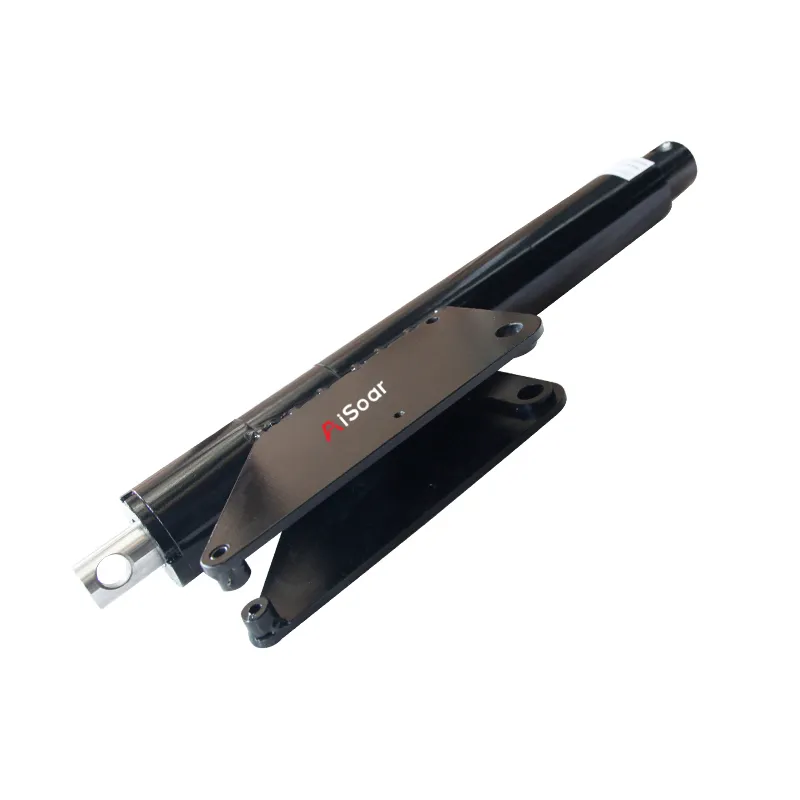
یک سیلندر هیدرولیک ممکن است به طور عادی زمانی که دستگاه سرد است کار کند، اما بعد از اینکه تجهیزات برای مدتی کار کردهاند، شروع به نشت کند.
روغن ممکن است در اطراف مهر و موم میله پیستون ظاهر شود، نیروی سیلندر ممکن است کاهش یابد، یا سیستم ممکن است به اندازهای که در عملیات سرد موثر بود، فشار را نگه ندارد. این یک مشکل رایج در تجهیزات هیدرولیک است که در تابستان یا زیر شرایط کار سنگین مداوم عمل میکند.
دمای بالای روغن همیشه دلیل نشت نیست. در بسیاری از موارد، گرما تنها مشکلات موجود را بیشتر نمایان میکند، مانند مهر و مومهای فرسوده، فاصلههای داخلی بیش از حد، روغن هیدرولیک نامناسب، میلههای پیستون آسیبدیده، بار جانبی، یا نوسانات فشار غیرطبیعی.
برای حل مشکل به درستی، لازم است تعیین شود که نشت خارجی است یا داخلی و شناسایی دلیل افزایش دمای روغن هیدرولیک.
روغن هیدرولیک با افزایش دما رقیقتر میشود
ویسکوزیته روغن هیدرولیک با افزایش دمای روغن کاهش مییابد.
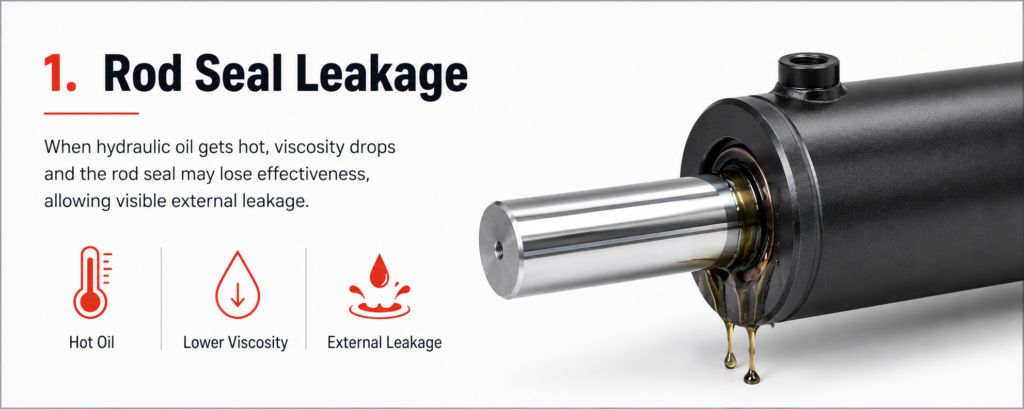
زمانی که روغن رقیقتر میشود، میتواند به راحتی از فاصلههای کوچک اطراف مهر و مومهای پیستون، مهر و مومهای میله، اجزای راهنما و شیرهای هیدرولیک عبور کند.
در حین عملیات سرد، روغن با ویسکوزیته بالاتر ممکن است به طور موقت برای فرسودگی جزئی مهر و موم یا فاصلههای بیش از حد جبران کند. با گرم شدن سیستم، روغن به جریان کمتر مقاوم میشود و مسیرهای نشت موجود بیشتر نمایان میشوند.
این ممکن است منجر به:
- نشتی روغن در اطراف میله پیستون
- کاهش نیروی سیلندر
- تغییرات در سرعت سیلندر
- زمان نگهداری فشار کوتاهتر
- افزایش نشتی داخلی
به همین دلیل، سیلندری که تنها در دماهای بالا نشت میکند بهطور ضروری مشکلی جدید ندارد. گرما ممکن است تنها سایش یا خسارتی که از قبل وجود داشته است را نمایان کند.
دمای بالا سختی و الاستیسیته مهر و موم را تغییر میدهد
سیلندرهای هیدرولیکی معمولاً از مواد مهندسی شدهای مانند پلییورتان، لاستیک نیتریل، لاستیک فلوروکربن، PTFE یا مواد دیگر استفاده میکنند.
هر ماده دارای محدودیتهای دمایی مختلف، ویژگیهای سختی و سازگاری متفاوت با مایعات هیدرولیکی است.
زمانی که در دماهای بالاتر از محدوده عملی مناسب قرار میگیرد، یک سیل ممکن است نرم، متورم، سخت، کوچک شده یا خاصیت الاستیسیته خود را از دست بدهد.
اگر سیل بیش از حد نرم شود، لب سیل ممکن است دیگر تماس پایدار با میله پیستون یا سوراخ سیلندر را حفظ نکند. در فشار بالا، مواد سیل ممکن است به فضای بین قطعات فشار داده شود و باعث خروج، بریدن، پارگی یا تغییر شکل دائمی شود.
قرارگیری طولانیمدت در دماهای بالا همچنین میتواند منجر به نشانههای فشردگی شود. هنگامی که این اتفاق میافتد، سیل ممکن است نتواند شکل اولیه خود را حتی پس از بازگشت دمای روغن به حالت طبیعی به دست آورد، بنابراین نشتی ادامه پیدا میکند.
انبساط حرارتی فاصلههای مهر و موم را تغییر میدهد
لوله سیلندر، پیستون، میله پیستون، بوش راهنما، سر سیلندر، سیلها و حلقههای سایش همگی به تغییرات دما پاسخ میدهند.
زیرا این قطعات ممکن است از مواد، ابعاد و ساختارهای مختلف استفاده کنند، همیشه با یک نرخ یکسان منبسط نمیشوند.
تغییرات دما میتواند فاصلههای واقعی بین موارد زیر را تغییر دهد:
- پیستون و سوراخ سیلندر
- میله پیستون و بوش راهنما
- سیل و شیار آن
- حلقه سایش و سطح پشتیبانی
اگر فاصله بزرگتر شود، روغن هیدرولیکی ممکن است به راحتی از ناحیه سیل عبور کند.
اگر یک فاصله محلی بیش از حد کوچک شود، اصطکاک ممکن است افزایش یابد. این امر گرمای اضافی در اطراف لب سیل ایجاد میکند و میتواند سایش سیل را تسریع کند.
نشت دمای بالا بنابراین تنها یک مشکل ماده سیل نیست. ممکن است همچنین به ت tolerances سیلندر، طراحی راهنما، وضعیت حلقه سایش و ابعاد شیار سیل مرتبط باشد.
مهر و مومهای فرسوده با روغن داغ بیشتر نشت میکنند
لبهای سیل به تدریج در حین عملکرد عادی سایش پیدا میکنند.
با افزایش سایش، فشار تماس سیل کاهش مییابد. زمانی که روغن سرد و نسبتاً غلیظ است، سایش خفیف ممکن است باعث نشت قابل مشاهده نشود.
پس از اینکه روغن داغ و رقیقتر شود، میتواند به راحتی از روی سطح آببند فرسوده عبور کند. بنابراین، یک مشکل نشت کوچک در حالت سرد ممکن است در حین کار مداوم به یک نشت قابل توجه تبدیل شود.
اگر آببند دارای ترکها، بریدگیها، نواحی سخت شده، لبههای گم شده یا تغییر شکل دائمی باشد، کاهش دمای روغن به تنهایی مشکل را به طور کامل حل نخواهد کرد.
باید آببند بازرسی و تعویض شود، اما دلیل آسیب زودرس نیز باید شناسایی شود.
آسیب به میله پیستون نشت در حالت داغ را افزایش میدهد
پین پیستون در تماس مداوم با آببند میلهای باقی میماند، بنابراین وضعیت سطح آن به طور مستقیم بر نشت خارجی تأثیر میگذارد.
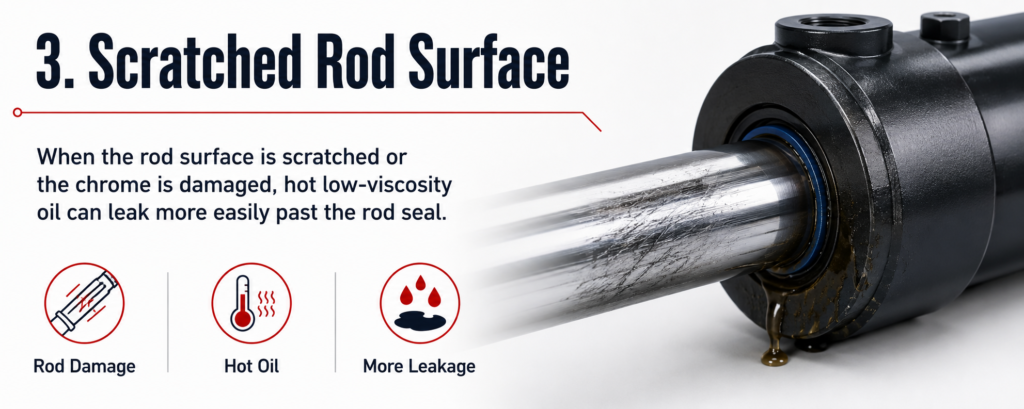
خراشها، خوردگی، حفرهسازی، ترکهای نیکلکاری، فرورفتگیها، یا زبری نادرست سطح میتوانند مانع از حفظ فیلم روغن پایدار توسط آببند میلهای شوند.
زمانی که روغن داغتر و رقیقتر میشود، میتواند به راحتی در امتداد خراشها یا نقصهای سطحی حرکت کرده و از آببند میلهای خارج شود.
بارگذاری جانبی میله، انحنای آن، یا تنظیم نادرست سیلندر نیز میتواند باعث شود که یک سمت آببند سریعتر از سمت دیگر دچار فرسایش شود. دمای بالا این فرآیند فرسایش را تسریع میکند.
هنگام تعویض آببند میلهای، باید سطح میله پیستون، فاصلههای راهنما، تنظیم سیلندر، پینهای نصب و بلبرینگها نیز بررسی شوند. در غیر این صورت، یک آببند جدید ممکن است پس از مدت کوتاهی دوباره نشت کند.
نوسانات فشار استرس مهر و موم را افزایش میدهند
در حین کار مداوم، گسترش و جمع شدن سریع، تغییرات مکرر جهت، ضربههای بار و فشار برگشتی ممکن است نوسانات فشاری را در داخل سیلندر ایجاد کند.
زمانی که دمای بالای روغن و نوسانات فشار به طور همزمان رخ میدهند، آببندهای نرم شده بیشتر احتمال دارد که تغییر شکل دهند یا خارج شوند.
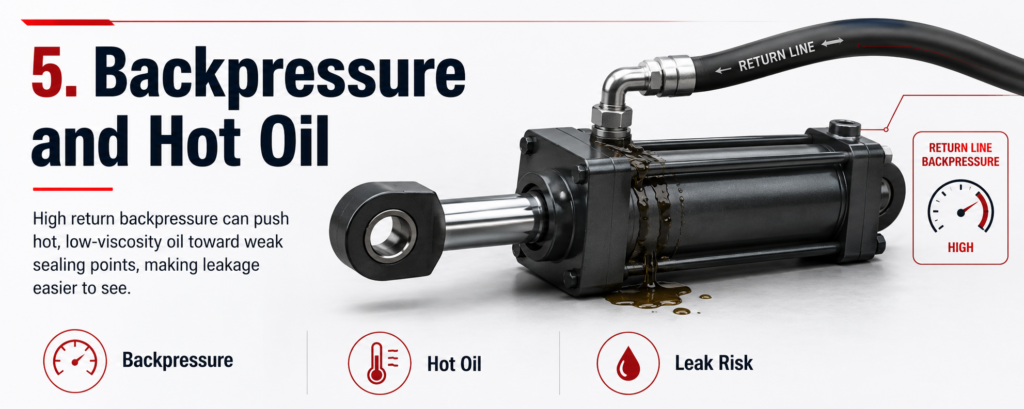
خطر زمانی افزایش مییابد که:
- فاصلههای آببند و شیارها بیش از حد بزرگ باشد
- حلقههای فرسایش یا اجزای راهنما فرسوده باشند
- فشار برگشتی بیش از حد باشد
- شیر تخلیه به درستی تنظیم نشده باشد
- سیستم دچار فشار اوج غیر طبیعی شود
برخی از سیلندرها تحت فشار پایدار به طور مداوم نشت نمیکنند. در عوض، نشت در حین شروع، تغییرات جهتی، توقف ناگهانی یا تغییرات بار سریع بیشتر آشکار میشود.
در این موارد، مدار هیدرولیک و شرایط فشار باید همراه با آببندهای سیلندر بررسی شوند.
روغن اکسید شده یا آلوده به سطوح مهر و موم آسیب میزند
روغن هیدرولیک زمانی که به طور مداوم در دمای بالا کار میکند، سریعتر اکسید میشود.
روغن تجزیه شده ممکن است لجن، ورقهای رنگی، رسوبات شبیه کربن یا سایر آلایندهها را تشکیل دهد. این مواد میتوانند در اطراف لبهای آببند، سطوح میلهای، شیارهای آببند و مسیرهای هیدرولیکی تجمع یابند.
ذرات فلزی، گرد و غبار و سایر آلودگیهای سخت میتوانند به عنوان سایش عمل کنند و هم درزها و هم سطوح فلزی را خراش دهند.
اگر آب به سیستم هیدرولیک وارد شود، دماهای بالا ممکن است به امولسیونسازی روغن و خوردگی داخلی کمک کند. میلههای پیستون و بورهای سیلندر خوردهشده میتوانند به طور مکرر درزهای جدید را آسیب برسانند و منجر به نشت مکرر شوند.
بنابراین، تعویض درز باید با بررسی وضعیت روغن، سیستم فیلتراسیون، تنفسکننده، مخزن و سطح آلودگی ترکیب شود.
تفاوت نشت خارجی و داخلی چیست؟
نشت خارجی معمولاً به طور مستقیم قابل مشاهده است.
نمونههای رایج شامل روغن در اطراف درز میله، سر سیلندر، درزهای استاتیک، بندرهای هیدرولیکی، اتصالات، شلنگها، جوشها یا اتصالات رشتهای است.
نشت داخلی در درون سیلندر هیدرولیک رخ میدهد. روغن ممکن است از سمت با فشار بالا پیستون به اتاق مقابل از طریق درز پیستون عبور کند.
سیلندر ممکن است از نظر خارجی خشک بماند، اما تجهیزات ممکن است با کاهش نیرو، سرعت ناپایدار، نگهداری ضعیف فشار یا انحراف سیلندر روبرو شوند.
هر دو نوع نشت ممکن است با افزایش دمای روغن افزایش یابند. با این حال، تشخیص انحراف سیلندر و نشت داخلی نیازمند آزمایشهای مجزا است و نباید تنها بر اساس روغن قابل مشاهده در اطراف سیلندر قضاوت شود.
چگونه باید نشت در حالت داغ را بازرسی کرد؟
هنگامی که یک سیلندر هیدرولیک پس از گرم شدن نشت میکند، عملکرد آن در حالت سرد و گرم را قبل از جداسازی مقایسه کنید.
دمای واقعی روغن، درجه ویسکوزیته روغن هیدرولیک، مکان نشت، سطح میله، زمان خدمات درز، فشار کاری، فشار برگشتی و نصب سیلندر را بررسی کنید.
قبل از اینکه تجهیزات را دوباره راهاندازی کنید، بیرون سیلندر را تمیز کنید. این کار تعیین اینکه آیا روغن از درز میله، سر سیلندر، اتصالات پورت، شلنگ، اتصالات یا سایر اجزای نزدیک میآید، را آسانتر میکند.
اگر نشت داخلی مشکوک باشد، آزمایش نگهداری فشار یا آزمایش نشت داخلی را تحت شرایط کنترل شده انجام دهید.
چگونه میتوان نشت سیلندر هیدرولیک را در دمای بالا کاهش داد؟
کاهش نشت در حالت گرم نیاز به کنترل دمای روغن و اصلاح مشکلات موجود در سیلندر دارد.
از درجه ویسکوزیته روغن هیدرولیک مناسب با دمای محیط و شرایط واقعی عملیاتی استفاده کنید. حجم مخزن، خنککننده، جریان هوا، فیلتراسیون و ظرفیت دفع حرارت نیز باید برای کار مداوم مناسب باشد.
برای تجهیزاتی که بهطور منظم در دماهای بالا کار میکنند، مواد درز را انتخاب کنید که با مایع هیدرولیک سازگار و مناسب برای هر دو دمای روغن مداوم و اوج باشد.
میله پیستون، حلقههای سایشی، بوشینگهای راهنما، شیارهای درز و خلاصیهای اجزا نیز باید بررسی شوند. بار جانبی، آلودگی، فشار برگشتی بیش از حد و نوسانات فشار باید اصلاح شود.
فقط نصب یک درز سختتر یا افزایش تراکم درز همیشه نشت را حل نمیکند. تراکم بیش از حد ممکن است باعث افزایش اصطکاک، تولید گرما و سایش درز شود.
نتیجهگیری
سیلندرهای هیدرولیک زمانی که روغن گرم میشود، به راحتی نشت میکنند زیرا ویسکوزیته روغن کاهش مییابد، خواص درز تغییر میکند، خلاصیهای اجزا جابجا میشود و سایش یا آسیب سطحی موجود بیشتر مشهود میشود.
بنابراین نشت در حالت گرم معمولاً نتیجه چندین عامل مرتبط است و نه یک درز معیوب واحد.
یک بازرسی کامل باید دمای روغن، ویسکوزیته روغن، وضعیت درز، کیفیت میله پیستون، تراز سیلندر، خلاصیهای داخلی، آلودگی، نوسانات فشار و مدار هیدرولیک را در نظر بگیرد.
AiSoar Hydraulics سیلندرهای هیدرولیک سفارشی و راهحلهای آببندی برای تجهیزات در حال کار تحت شرایط دماهای بالا، بارهای سنگین و دورههای چرخهای مکرر ارائه میدهد.